

Free on Tutorly.sg
Practise Forces with step-by-step help — free to start
On Tutorly.sg/app you can practise unlimited Singapore syllabus questions, get instant explanations when you are stuck, and use past-year papers — no sign-up needed to start.
- ✓ PSLE, O Level, A Level, and more
- ✓ Step-by-step working when you are stuck
- ✓ Works on phone and laptop
Quick answer
Seeing a PSLE Science Forces question that looks nothing like your practice papers can make your heart sink. But don't worry! Once you learn how to break down these questions into smaller steps, they become much easier to handle. Let's go through some common types of forces questions and learn exactly what to do.
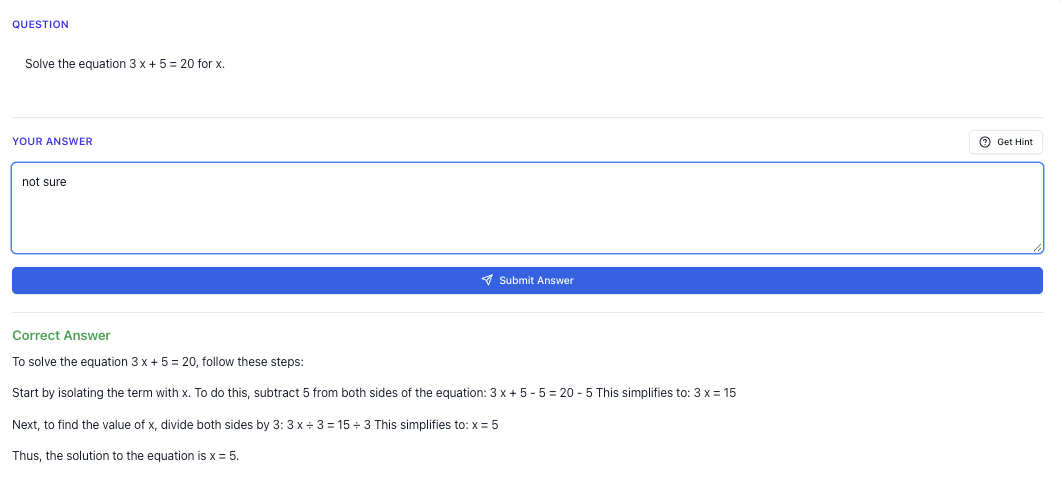
“Stuck on a question? See simple explanations that help you understand fast.”
👉 Give it a try and turn confusion into clarity in minutes.
What you need to know
Forces are pushes or pulls that can change the shape, speed, or direction of an object. In PSLE Science, you’ll often need to identify different types of forces, such as gravity, friction, and magnetic forces, and understand how they affect objects.
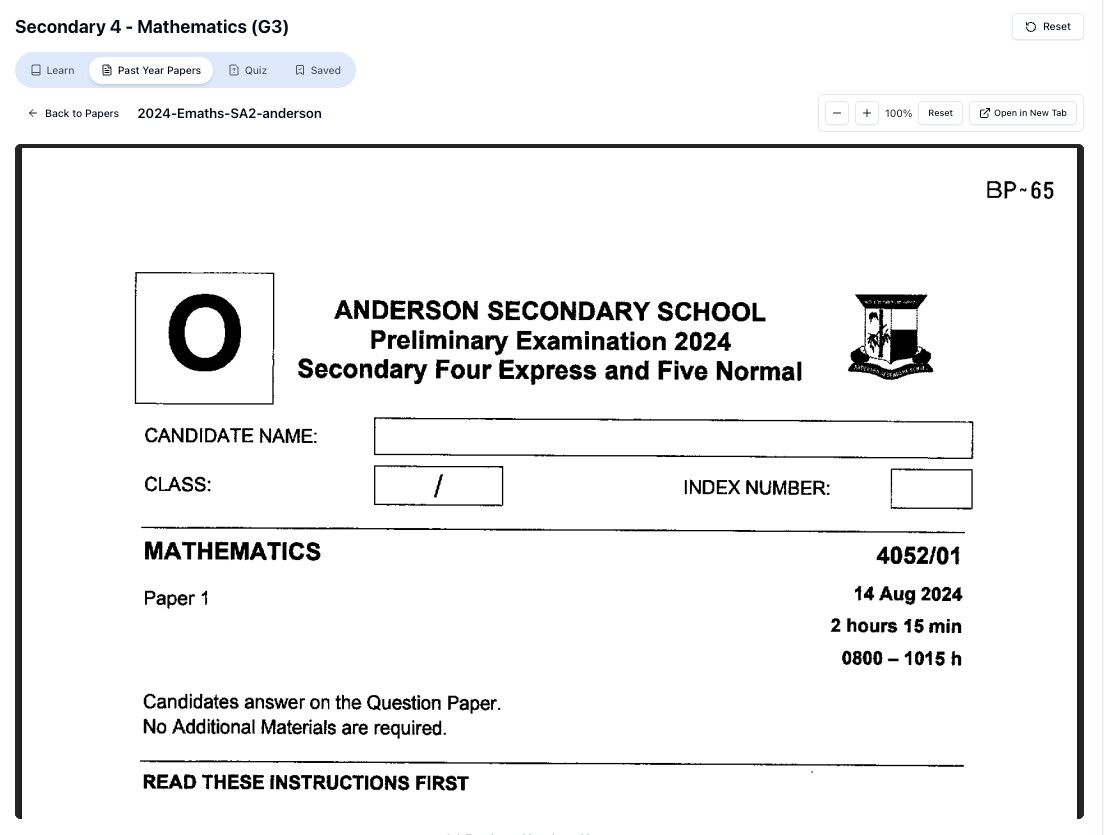
“Access more than 1000+ past year papers to practice”
👉 Start a paper today and test yourself like it’s the real exam.
Understanding Forces in PSLE Science
When it comes to forces in PSLE, breaking down the topic into smaller, manageable parts can make a big difference. Many students get stuck because they can't picture how the forces act in real-life situations. A simple trick I teach my students is to imagine a story or scene. For example, think of a game of tug-of-war to understand balanced and unbalanced forces.
Types of Forces
- Gravity: Pulls objects towards the Earth.
- Friction: Slows down or stops moving objects.
- Magnetic Force: Attraction or repulsion between magnets.
Common mistakes students make
-
Confusing different forces: Many students mix up friction and gravity. Remember, gravity pulls down, while friction stops or slows down movement.
-
Not visualising the problem: Without picturing the scenario, it’s easy to misidentify the forces at play.
-
Overlooking units: Forgetting to include or convert units can lead to lost marks.
How to fix these mistakes
- Draw simple diagrams: Picture the situation to better understand how forces act.
- Label your units clearly: Always check that your units are correct and consistent.
Exam tip
In the exam, read the question carefully to identify all the forces involved. Allocate your time wisely—spend a few moments drawing a quick sketch if it helps you see the problem better. Remember, clear and neat presentation can help examiners follow your reasoning.
Worked examples
Question 1: Identifying Forces
A boy pushes a toy car on a table. What are the forces acting on the car?
Solution
Step 1: Identify the forces.
Why: Knowing which forces are involved helps you understand their effects on the object.
- Gravity pulls the car down.
- Friction between the car and table slows it down.
- The push from the boy moves the car forward.
Step 2: Draw a simple diagram.
Why: Visualising the forces helps to see how they interact.
- Use arrows to show the direction of each force.
Question 2: Balanced and Unbalanced Forces
Two children are playing tug-of-war. Child A pulls with a force of 50 N, and Child B pulls with a force of 60 N. Who will win?
Solution
Step 1: Compare the forces.
Why: Knowing which force is stronger tells you which direction the object will move.
- Child B's force is greater than Child A's.
Step 2: Conclude the result.
Why: Understanding the result helps you see the outcome of unbalanced forces.
- Child B wins because the force is stronger.
“Doing Secondary Science? Pick a topic and practise like it’s a real exam — with clear answers right after.”
👉 Try Tutorly now and start a Science topic in seconds.

Quick check
- What force keeps us on the ground?
- What happens when friction is removed?
- Why do we draw diagrams in force questions?
Answers
- Gravity
- Objects move faster or don't stop.
- To visualise and understand force interactions.
Quick summary
- Forces include gravity, friction, and magnetic forces.
- Common mistakes: confusing forces, not visualising, and missing units.
- Use diagrams to see how forces act.
- Check and label units carefully.
- Practice with similar questions to gain confidence.
FAQ
Q: How do I know which force to use in a question?
A: Look for clues in the question, like movement or objects involved, to identify relevant forces.
Q: Why do forces questions look different each time?
A: They test your understanding of concepts in various scenarios, not just memorised answers.
Q: How can I improve my force diagrams?
A: Keep them simple, use arrows for direction, and label each force clearly.
Q: What if I get stuck on a forces question in the exam?
A: Breathe first, break the question into smaller parts, and draw a quick sketch to visualise the problem.
Free on Tutorly.sg
Practise Forces with step-by-step help — free to start
On Tutorly.sg/app you can practise unlimited Singapore syllabus questions, get instant explanations when you are stuck, and use past-year papers — no sign-up needed to start.
- ✓ PSLE, O Level, A Level, and more
- ✓ Step-by-step working when you are stuck
- ✓ Works on phone and laptop
Free practice
Try it yourself
Practise similar questions with step-by-step help on Tutorly
- ✓ Unlimited similar questions
- ✓ Step-by-step help when you are stuck
- ✓ No sign-up needed to start
Practise with free question sets
Work through more exam-style questions with answers and step-by-step solutions:
- 35+ Primary 6 PSLE Forces Practice Questions for 2026 (based on Singapore MOE Syllabus)
- Topic study hub
Want unlimited similar questions with AI marking? Practise on Tutorly.sg/app
Related Topics You Should Learn Next
- PSLE Science Forces: Avoid These Common Mistakes
- PSLE Science Forces: Simple Steps to Secure Your Marks
- PSLE Science: Understanding Forces Without Losing Marks
- PSLE Science Forces: Why Students Struggle and How to Fix It
- Topic Cluster Hub: PSLE Science Forces
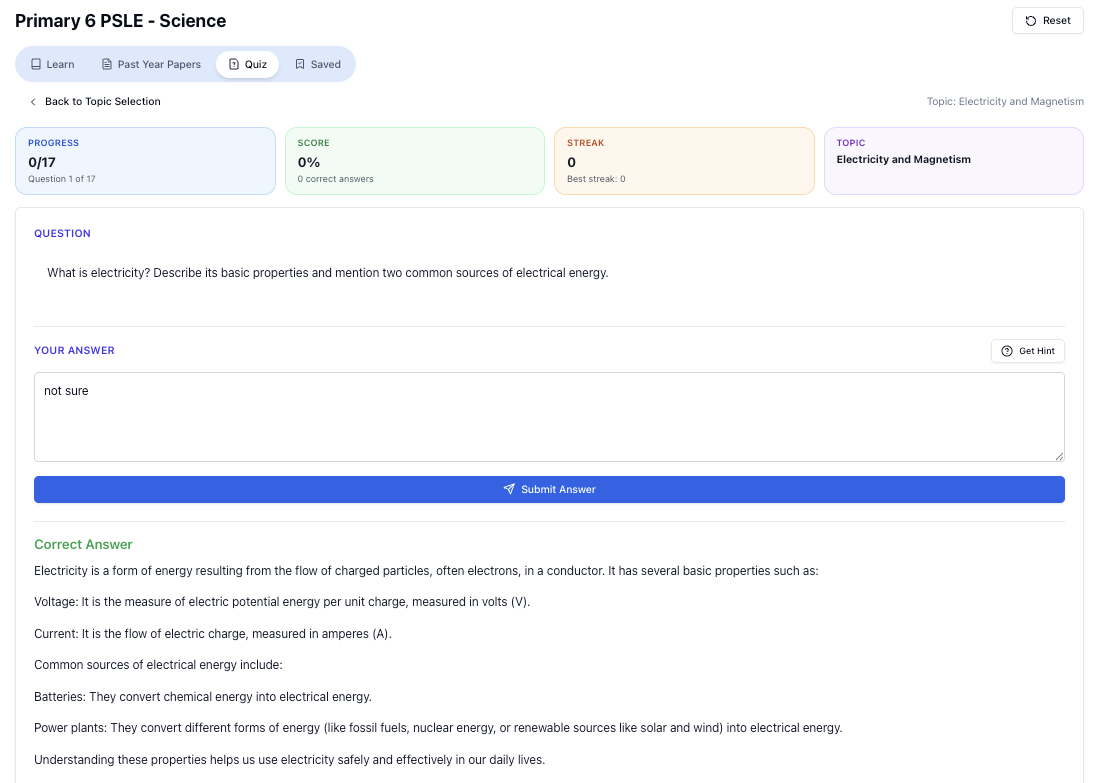
“Practice PSLE Science questions and get clear, step-by-step answers instantly.”
👉 Try a question now and see how fast you can improve.
Free on Tutorly.sg
Practise Forces with step-by-step help — free to start
On Tutorly.sg/app you can practise unlimited Singapore syllabus questions, get instant explanations when you are stuck, and use past-year papers — no sign-up needed to start.
- ✓ PSLE, O Level, A Level, and more
- ✓ Step-by-step working when you are stuck
- ✓ Works on phone and laptop