

Free on Tutorly.sg
Practise Forces with step-by-step help — free to start
On Tutorly.sg/app you can practise unlimited Singapore syllabus questions, get instant explanations when you are stuck, and use past-year papers — no sign-up needed to start.
- ✓ PSLE, O Level, A Level, and more
- ✓ Step-by-step working when you are stuck
- ✓ Works on phone and laptop
Quick answer
Feeling your heart sink when you see a PSLE Science forces question? You're not alone. Many students struggle with forces because they can't visualise the concepts or have gaps in their basics. But don't worry, we'll break it down step by step, so you'll feel more confident and ready for your exams.
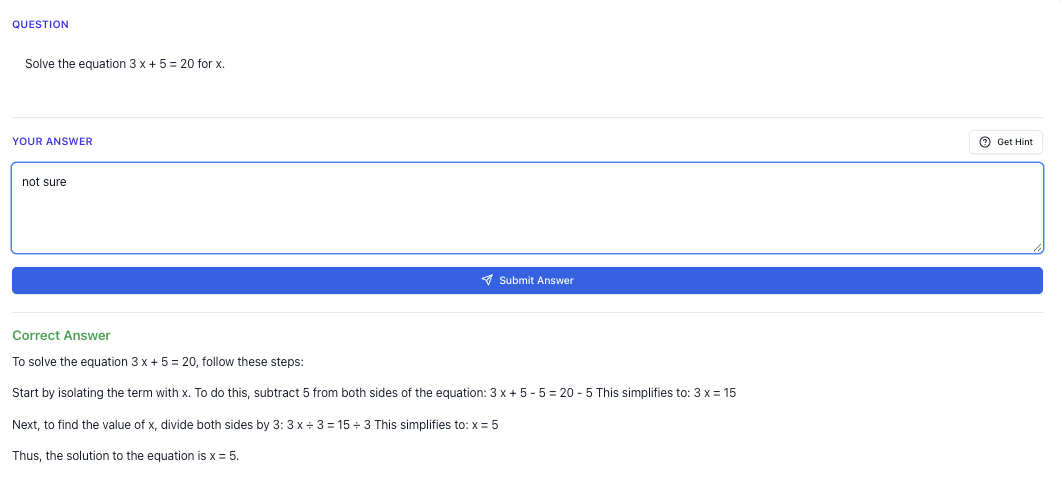
“Stuck on a question? See simple explanations that help you understand fast.”
👉 Give it a try and turn confusion into clarity in minutes.
What you need to know
Forces are pushes or pulls that can change how things move. They can make objects start moving, stop moving, or change direction. The key idea is to understand how these forces work together to affect motion.
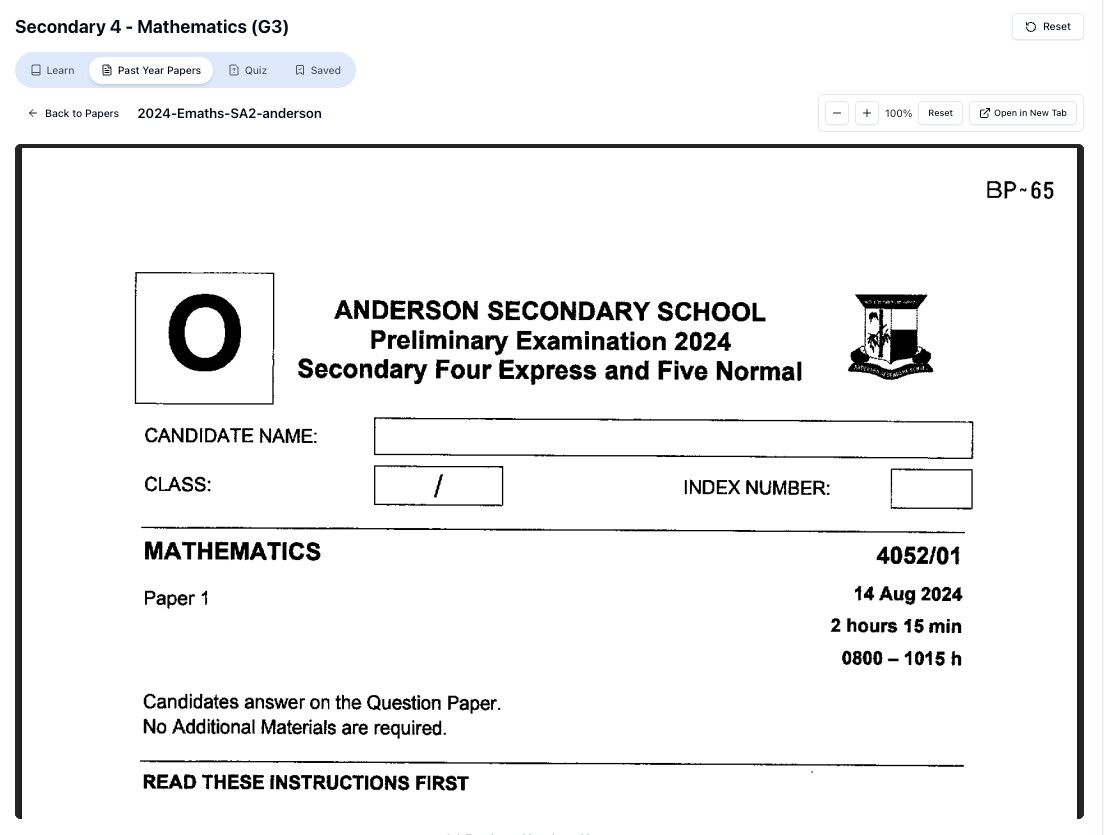
“Access more than 1000+ past year papers to practice”
👉 Start a paper today and test yourself like it’s the real exam.
Understanding Forces: The Basics
What is a Force?
A force is simply a push or a pull. Imagine pushing a shopping cart at the supermarket. That's a force. Or pulling open a door. That's also a force. Forces are all around us and affect everything we do.
Types of Forces
- Gravity: The force that pulls objects towards the Earth. It's why things fall when you drop them.
- Friction: The force that slows things down when they rub against each other. Like when you slide a book across a table.
- Magnetic Force: The force between magnets. It can pull magnets together or push them apart.
Quick Check
- What type of force makes your book stop moving when you slide it on a table?
- Which force pulls you down when you jump up?
Answers: 1. Friction 2. Gravity
Common mistakes students make
Mistake 1: Confusing Force Types
Students often mix up different forces. For example, thinking that friction is a type of gravity. The fix is simple: remember that gravity pulls things down, while friction slows things down.
Mistake 2: Ignoring Units
Forces are measured in newtons (N). Sometimes, students forget to include the unit in their answers, which can cost marks. Always check your final answer to make sure the units are there.
Mistake 3: Overcomplicating Diagrams
When drawing force diagrams, keep it simple. Use arrows to show the direction of forces, and label them clearly. This helps you see what forces are acting and in which direction.
Exam tip
When answering forces questions, always start by identifying the forces involved. Draw a simple diagram if needed. This helps you organise your thoughts and ensures you don't miss any important details.
Worked examples
Question
A ball is rolling on the floor and eventually stops. Explain the forces acting on the ball.
Solution
Step 1: Identify the forces acting on the ball.
Why: Knowing the forces helps you understand why the ball stops.
Step 2: Recognise gravity pulling the ball downwards.
“Doing Secondary Science? Pick a topic and practise like it’s a real exam — with clear answers right after.”
👉 Try Tutorly now and start a Science topic in seconds.

Why: Gravity acts on all objects, including the ball.
Step 3: Identify friction between the ball and the floor.
Why: Friction is the force that slows down and eventually stops the ball.
Step 4: Conclude that friction is the main reason the ball stops.
Why: Without friction, the ball would keep rolling.
Quick summary
- Forces are pushes or pulls that affect how things move.
- Common forces include gravity, friction, and magnetic force.
- Avoid mixing up force types and always include units.
- Keep force diagrams simple and clear.
- Start exam questions by identifying and drawing the forces.
FAQ
Q 1: Why do I find forces questions so hard?
A: Many students struggle because they can't visualise the forces. Using simple diagrams can help you see the forces more clearly.
Q 2: What should I do if I forget the units?
A: Always double-check your answers. Make it a habit to write the units right after your calculations.
Q 3: How can I improve my understanding of forces quickly?
A: Short daily revision is better than long study sessions. Spend 10 minutes each day reviewing key concepts and practising questions.
Q 4: Are force diagrams really necessary?
A: Yes, they help you see what forces are acting on an object and in which direction. This makes it easier to answer questions accurately.
Free on Tutorly.sg
Practise Forces with step-by-step help — free to start
On Tutorly.sg/app you can practise unlimited Singapore syllabus questions, get instant explanations when you are stuck, and use past-year papers — no sign-up needed to start.
- ✓ PSLE, O Level, A Level, and more
- ✓ Step-by-step working when you are stuck
- ✓ Works on phone and laptop
Free practice
Try it yourself
Practise similar questions with step-by-step help on Tutorly
- ✓ Unlimited similar questions
- ✓ Step-by-step help when you are stuck
- ✓ No sign-up needed to start
Related Topics You Should Learn Next
- PSLE Science Forces: Avoid These Common Mistakes
- PSLE Science: Understanding Forces Without Losing Marks
- PSLE Science Forces: Simple Steps to Secure Your Marks
- How to Score Full Marks in PSLE Science Forces Questions
- PSLE Science Forces Topic Cluster Hub
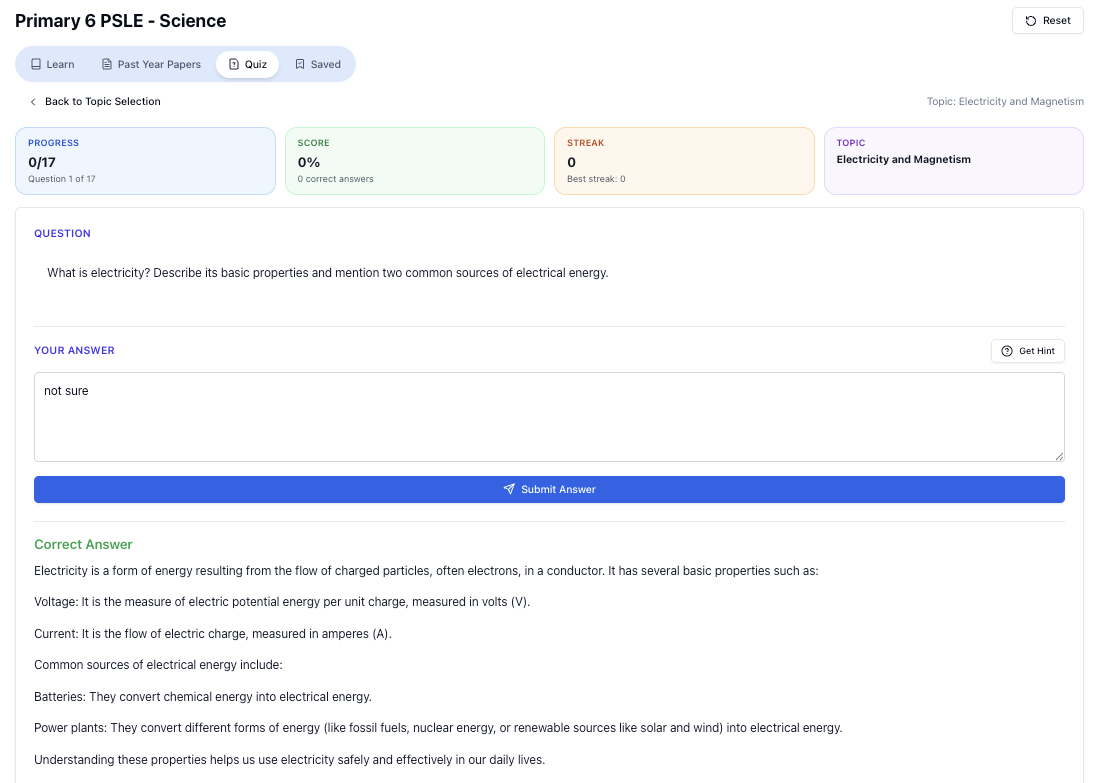
“Practice PSLE Science questions and get clear, step-by-step answers instantly.”
👉 Try a question now and see how fast you can improve.
Free on Tutorly.sg
Practise Forces with step-by-step help — free to start
On Tutorly.sg/app you can practise unlimited Singapore syllabus questions, get instant explanations when you are stuck, and use past-year papers — no sign-up needed to start.
- ✓ PSLE, O Level, A Level, and more
- ✓ Step-by-step working when you are stuck
- ✓ Works on phone and laptop