

Free on Tutorly.sg
Practise Heat and energy with step-by-step help — free to start
On Tutorly.sg/app you can practise unlimited Singapore syllabus questions, get instant explanations when you are stuck, and use past-year papers — no sign-up needed to start.
- ✓ PSLE, O Level, A Level, and more
- ✓ Step-by-step working when you are stuck
- ✓ Works on phone and laptop
Quick answer
Have you ever felt your heart sink when you saw a heat and energy question in the PSLE Science paper, thinking you knew it, but still lost marks? You're not alone. Many students lose marks on these questions because they miss small details. Here, I'll show you how to avoid the five most common mistakes and feel more confident.
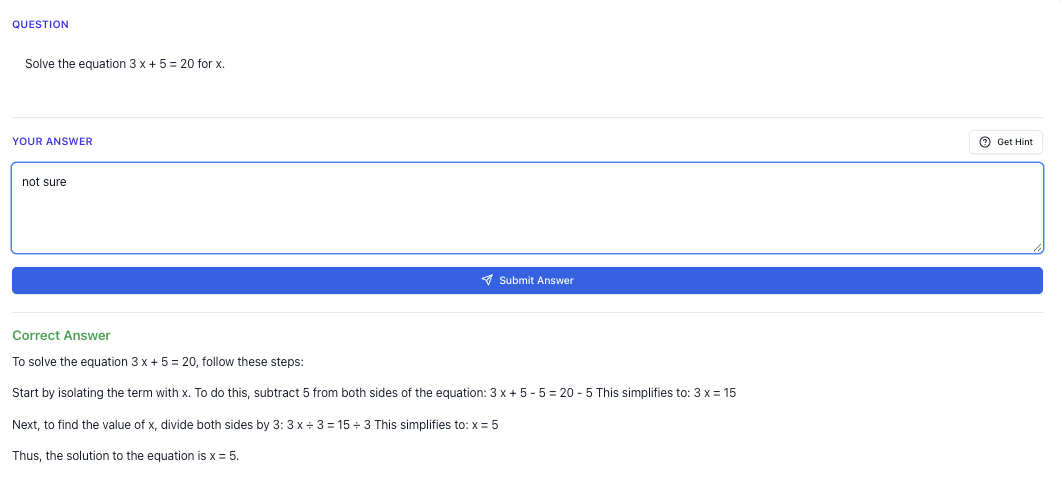
“Stuck on a question? See simple explanations that help you understand fast.”
👉 Give it a try and turn confusion into clarity in minutes.
What you need to know
Heat and energy are often tricky because they involve understanding how energy moves and changes. In simple words, heat is energy that moves from a hot place to a cold place. Energy can change forms, like from heat to light. Understanding these ideas helps you solve questions correctly.
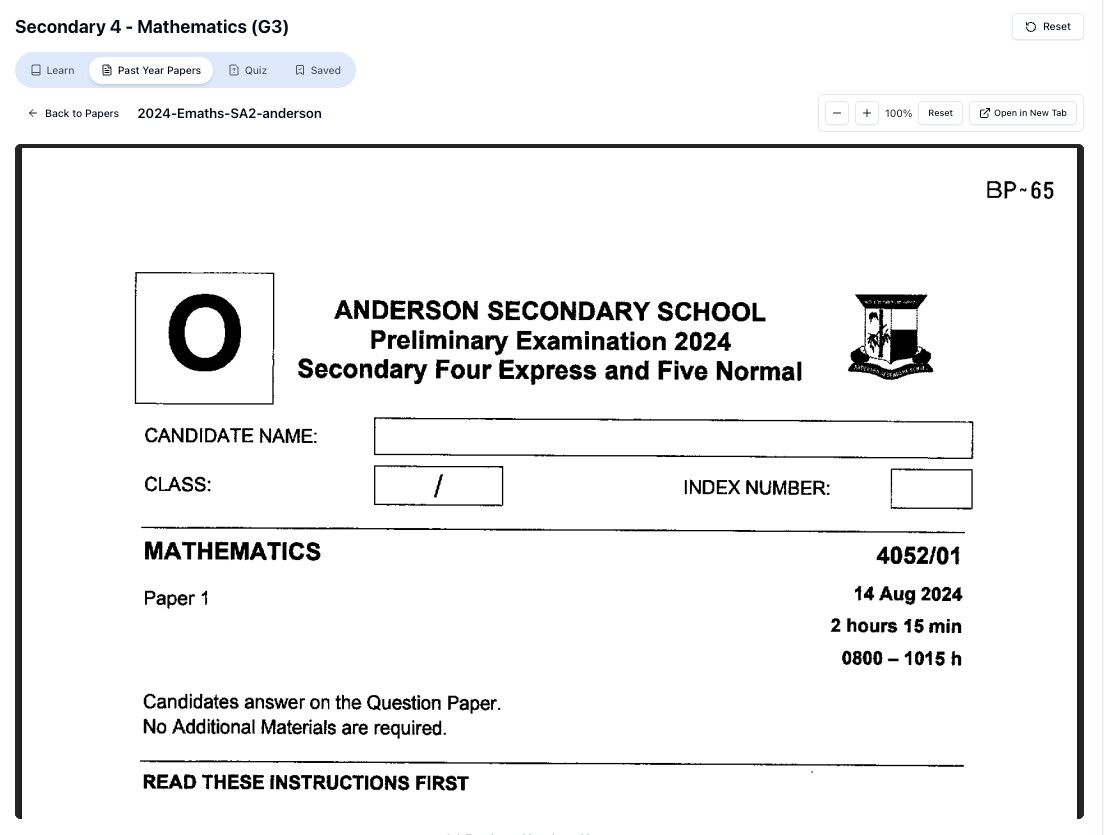
“Access more than 1000+ past year papers to practice”
👉 Start a paper today and test yourself like it’s the real exam.
Common mistakes students make
Mistake 1: Confusing heat with temperature
Many students mix up heat and temperature. Heat is energy, while temperature measures how hot or cold something is.
How to fix: Remember, heat is like the money you have, and temperature is like how rich you feel. More money (heat) doesn't always mean you feel richer (higher temperature) if you have many expenses (energy loss).
Mistake 2: Forgetting heat transfer direction
Heat always moves from a hotter place to a colder place. Some students think it can go both ways.
How to fix: A simple trick I teach my students is to imagine heat as a ball rolling down a hill. It always rolls from high (hot) to low (cold).
Mistake 3: Misunderstanding energy conversion
Energy changes from one form to another, like heat to light. Some students forget the forms energy can take.
How to fix: Picture energy like water. It can be ice (solid), liquid, or steam (gas). Just like water changes, energy changes too.
Mistake 4: Skipping units
Forgetting to include units in answers can cost marks. For example, giving temperature without degrees Celsius (°C).
How to fix: Always double-check your answers. Ask yourself if you would understand the measurement without the unit.
Mistake 5: Misreading diagrams
Not reading diagrams carefully leads to wrong answers. Many students miss important details because they rush.
How to fix: Slow down and breathe. Look at the diagram closely, and write down what you see.
Exam tip
In PSLE Science, time is precious. Spend a few seconds reading the question and underlining key details. This helps you see what the question is really asking. Always check your units and diagrams at the end.
Worked examples
Question
A metal spoon is placed in a cup of hot tea. After a while, the spoon feels warm. Explain why this happens.
Solution
Step 1: Identify the heat source.
Why: The hot tea is the heat source because it is hotter than the spoon.
Step 2: Describe heat transfer.
Why: Heat moves from the hot tea to the cooler spoon because heat travels from hot to cold.
Step 3: State the result.
Why: The spoon becomes warm as it gains heat from the tea.
Quick check
“Doing Secondary Science? Pick a topic and practise like it’s a real exam — with clear answers right after.”
👉 Try Tutorly now and start a Science topic in seconds.

- What is the difference between heat and temperature?
- Why does heat move from hot to cold?
- How does energy change form?
Answers:
- Heat is energy; temperature measures how hot or cold something is.
- Heat moves from hot to cold due to energy flow.
- Energy changes form like water changes state (solid, liquid, gas).
Quick summary
- Heat is energy that moves from hot to cold.
- Temperature measures how hot or cold something is.
- Energy can change forms, like heat to light.
- Always include units in your answers.
- Carefully read diagrams; they hold important clues.
FAQ
Q: What's the difference between heat and temperature?
A: Heat is the energy transferred from one object to another, while temperature is how we measure how hot or cold an object is.
Q: Why does heat travel from hot to cold?
A: Heat travels from hot to cold because energy naturally moves from areas of high energy to areas of low energy.
Q: How can I remember to include units in my answers?
A: Make it a habit to check your answers for units every time you finish a question. It's as important as checking spelling in English.
Q: What should I do if I don't understand a diagram?
A: Take a deep breath, and look at each part of the diagram slowly. Write down what you see, and match it with the question.
Free on Tutorly.sg
Practise Heat and energy with step-by-step help — free to start
On Tutorly.sg/app you can practise unlimited Singapore syllabus questions, get instant explanations when you are stuck, and use past-year papers — no sign-up needed to start.
- ✓ PSLE, O Level, A Level, and more
- ✓ Step-by-step working when you are stuck
- ✓ Works on phone and laptop
Free practice
Try it yourself
Practise similar questions with step-by-step help on Tutorly
- ✓ Unlimited similar questions
- ✓ Step-by-step help when you are stuck
- ✓ No sign-up needed to start
Practise with free question sets
Work through exam-style questions with answers and step-by-step solutions:
- 35+ PSLE Science Heat and Energy Questions for (Singapore MOE Syllabus) with Step-by-Step Solutions
- Topic study hub
[Practise unlimited questions on Tutorly.sg/app](https://www.tutorly.sg/app)
Related Topics You Should Learn Next
- PSLE Science: Mastering Heat and Energy Without Overload
- PSLE Science: Understanding Heat and Energy Without the Headache
- PSLE Science Forces: Simple Steps to Secure Your Marks
- PSLE Science AI Tutor (Singapore): Answering Technique + Worked Questions
- Mastering PSLE Science Keywords for Full-Mark Answers in Singapore
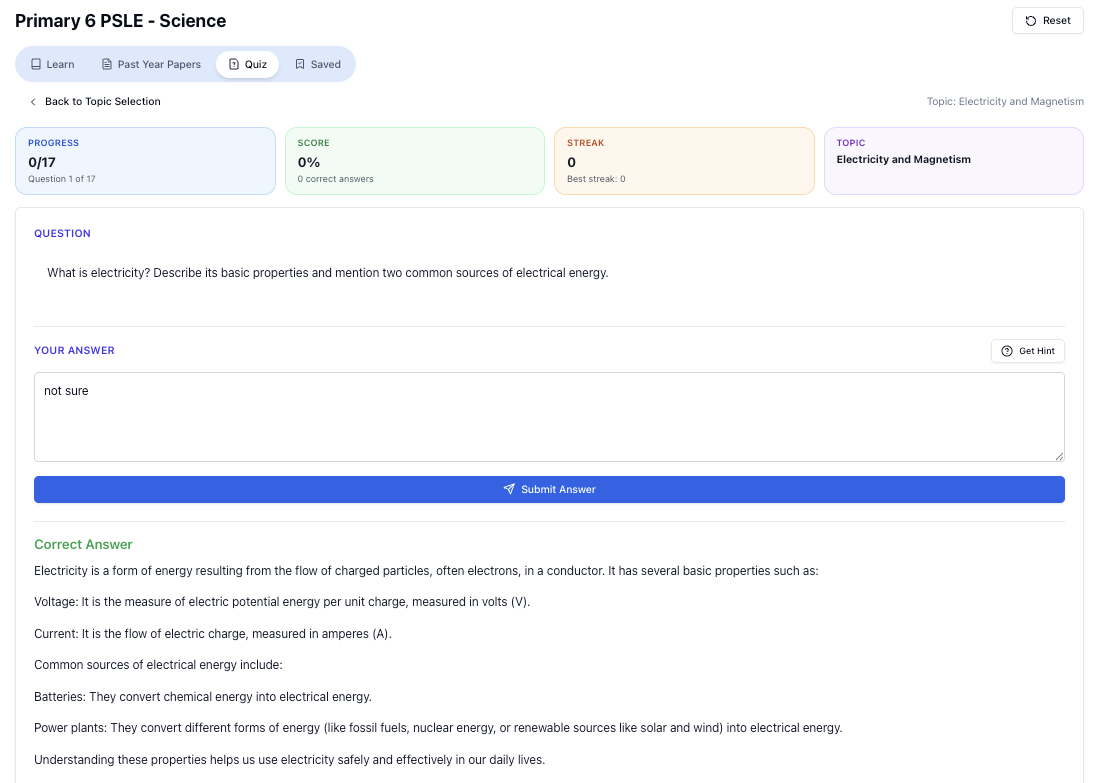
“Practice PSLE Science questions and get clear, step-by-step answers instantly.”
👉 Try a question now and see how fast you can improve.
Free on Tutorly.sg
Practise Heat and energy with step-by-step help — free to start
On Tutorly.sg/app you can practise unlimited Singapore syllabus questions, get instant explanations when you are stuck, and use past-year papers — no sign-up needed to start.
- ✓ PSLE, O Level, A Level, and more
- ✓ Step-by-step working when you are stuck
- ✓ Works on phone and laptop