

Free on Tutorly.sg
Practise Heat and energy with step-by-step help — free to start
On Tutorly.sg/app you can practise unlimited Singapore syllabus questions, get instant explanations when you are stuck, and use past-year papers — no sign-up needed to start.
- ✓ PSLE, O Level, A Level, and more
- ✓ Step-by-step working when you are stuck
- ✓ Works on phone and laptop
Quick answer
Ever felt your heart sink when you see a heat and energy question in PSLE Science? You're not alone. Many students struggle because they can't picture what's happening. Once you understand the simple ideas behind heat and energy, the rest becomes much easier to handle.
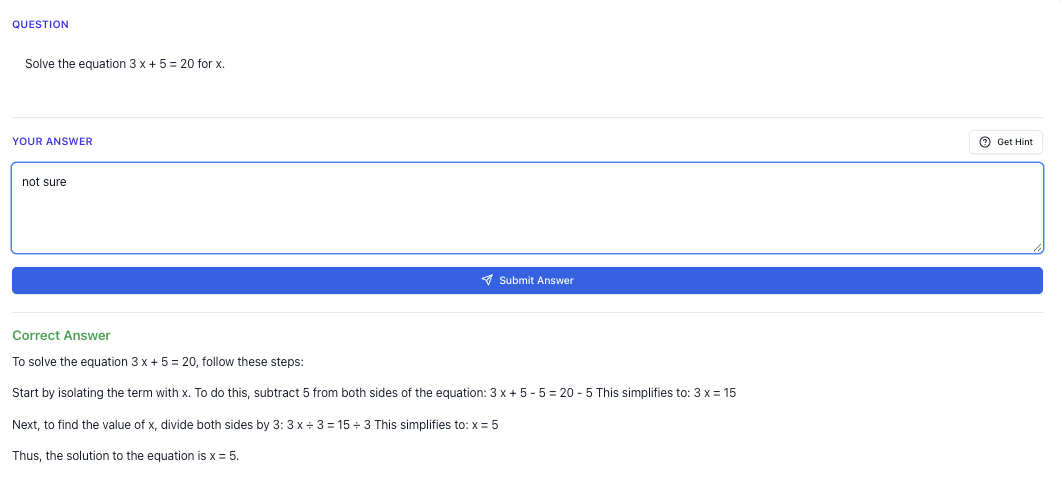
“Stuck on a question? See simple explanations that help you understand fast.”
👉 Give it a try and turn confusion into clarity in minutes.
What you need to know
Heat is a form of energy that makes things warm. It moves from warmer places to cooler ones. Energy is what makes things happen — it can change forms, like from light to heat. These are the basic ideas you'll need to understand for PSLE Science.
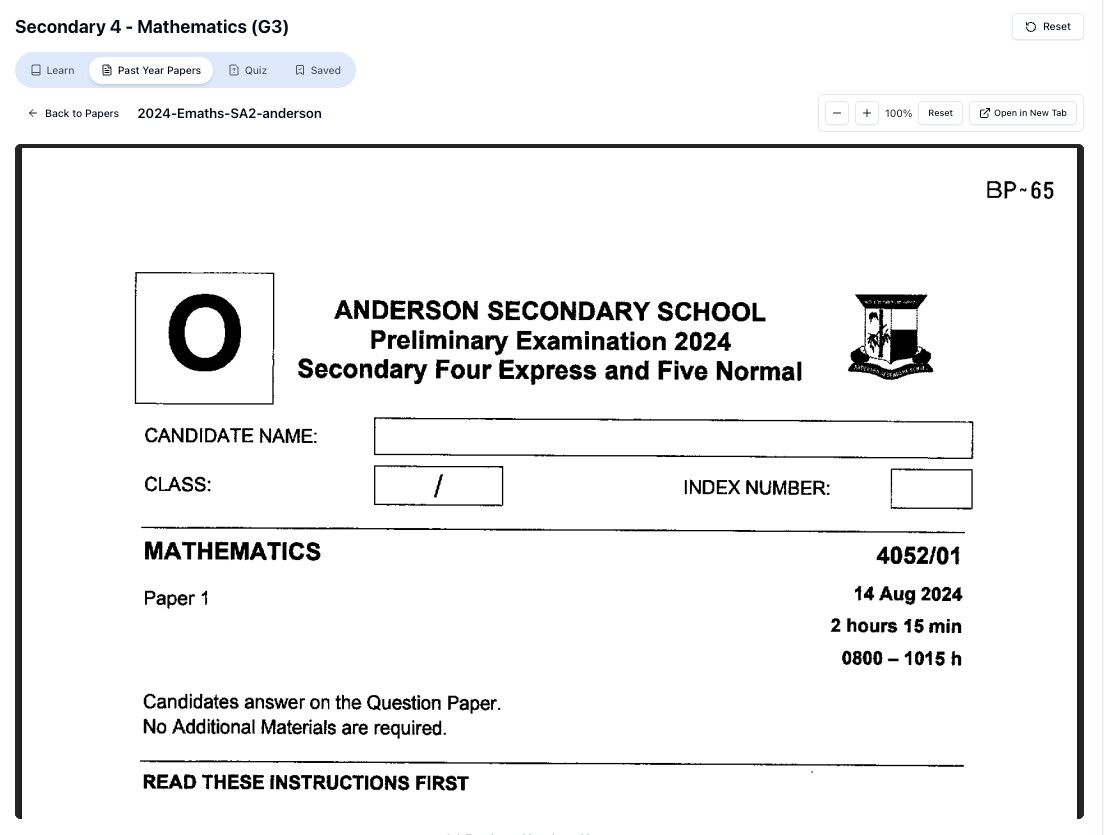
“Access more than 1000+ past year papers to practice”
👉 Start a paper today and test yourself like it’s the real exam.
Heat and Energy Basics
Heat Transfer
Heat moves in three ways: conduction, convection, and radiation.
- Conduction happens when heat moves through a solid. Imagine touching a hot metal spoon; the heat travels through the spoon to your hand.
- Convection is heat movement in liquids and gases. Think about boiling water. The hot water rises, and cooler water sinks, creating a cycle.
- Radiation is heat moving through empty space. Like feeling the warmth of the sun on your face.
Energy Forms and Changes
Energy can change forms. For example, when you rub your hands together, you're turning motion energy into heat energy. Knowing these changes helps you understand questions better.
Quick check
- What type of heat transfer happens when you sit by a campfire?
- How does energy change when you switch on a light bulb?
- Which heat transfer method involves liquids and gases?
Answers:
- Radiation
- Electrical energy to light energy
- Convection
Common mistakes students make
Mistake 1: Confusing heat with temperature
Heat is energy, while temperature measures how hot or cold something is. It’s like mixing up your wallet with the money inside.
Mistake 2: Forgetting energy can change forms
Remember, energy doesn't disappear; it just changes forms. Missing this can cost marks in questions about energy conversion.
Mistake 3: Skipping steps in calculations
Sometimes students jump to the answer without showing working steps. Always show each step clearly in exams.
Exam tip
When answering questions, always underline key terms like "conduction" or "energy conversion." This helps you focus on what’s important and avoid careless mistakes.
Worked examples
Question: How does heat travel through a metal rod?
Solution
Step 1: Identify the type of heat transfer.
Why: Knowing it's conduction helps you think about how heat moves through solids.
Step 2: Explain that heat moves from the hotter end to the cooler end of the rod.
Why: This shows you understand that heat travels from hot to cold.
Step 3: Use a simple analogy, like a line of dominoes falling.
Why: This helps you visualise how heat moves step by step.
Question: Describe energy changes when you use a toaster.
Solution
“Doing Secondary Science? Pick a topic and practise like it’s a real exam — with clear answers right after.”
👉 Try Tutorly now and start a Science topic in seconds.

Step 1: Identify the initial form of energy (electrical).
Why: This sets up the sequence of energy changes.
Step 2: Explain how electrical energy changes to heat energy.
Why: This is the main process happening in the toaster.
Step 3: Mention that heat energy toasts the bread.
Why: This completes the sequence of energy changes.
Quick summary
- Heat moves by conduction, convection, and radiation.
- Energy can change forms, like electrical to heat.
- Don't confuse heat with temperature.
- Always show each calculation step in exams.
- Use simple analogies to understand concepts better.
FAQ
Q 1: What's the difference between heat and temperature?
Heat is energy, while temperature is a measure of how hot or cold something is.
Q 2: Why do I lose marks on energy conversion questions?
Often, it's because you forget to show how energy changes forms step by step.
Q 3: How can I remember heat transfer methods?
Think of examples: conduction as touching a hot spoon, convection as boiling water, radiation as sunlight.
Q 4: What's a simple way to understand energy changes?
Use everyday examples, like a toaster turning electrical energy into heat to toast bread.
Free on Tutorly.sg
Practise Heat and energy with step-by-step help — free to start
On Tutorly.sg/app you can practise unlimited Singapore syllabus questions, get instant explanations when you are stuck, and use past-year papers — no sign-up needed to start.
- ✓ PSLE, O Level, A Level, and more
- ✓ Step-by-step working when you are stuck
- ✓ Works on phone and laptop
Free practice
Try it yourself
Practise similar questions with step-by-step help on Tutorly
- ✓ Unlimited similar questions
- ✓ Step-by-step help when you are stuck
- ✓ No sign-up needed to start
Practise with free question sets
Work through exam-style questions with answers and step-by-step solutions:
- 35+ PSLE Science Heat and Energy Questions for (Singapore MOE Syllabus) with Step-by-Step Solutions
- Topic study hub
[Practise unlimited questions on Tutorly.sg/app](https://www.tutorly.sg/app)
Related Topics You Should Learn Next
- PSLE Science: Mastering Heat and Energy Without Overload
- How To Use an AI Tutor for PSLE Science in Singapore (Without Getting More Stressed)
- PSLE Science Practice Questions in Singapore: How To Use Worksheet Practice To Actually Improve
- Topic cluster hub
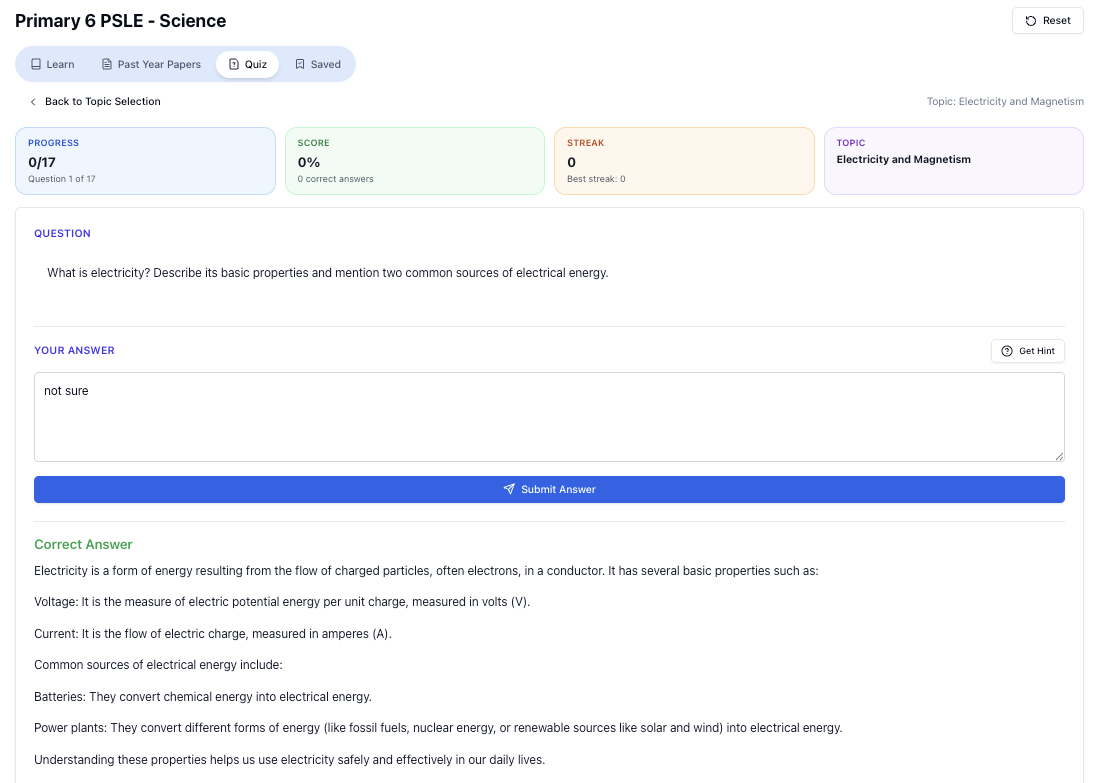
“Practice PSLE Science questions and get clear, step-by-step answers instantly.”
👉 Try a question now and see how fast you can improve.
Free on Tutorly.sg
Practise Heat and energy with step-by-step help — free to start
On Tutorly.sg/app you can practise unlimited Singapore syllabus questions, get instant explanations when you are stuck, and use past-year papers — no sign-up needed to start.
- ✓ PSLE, O Level, A Level, and more
- ✓ Step-by-step working when you are stuck
- ✓ Works on phone and laptop