

Free on Tutorly.sg
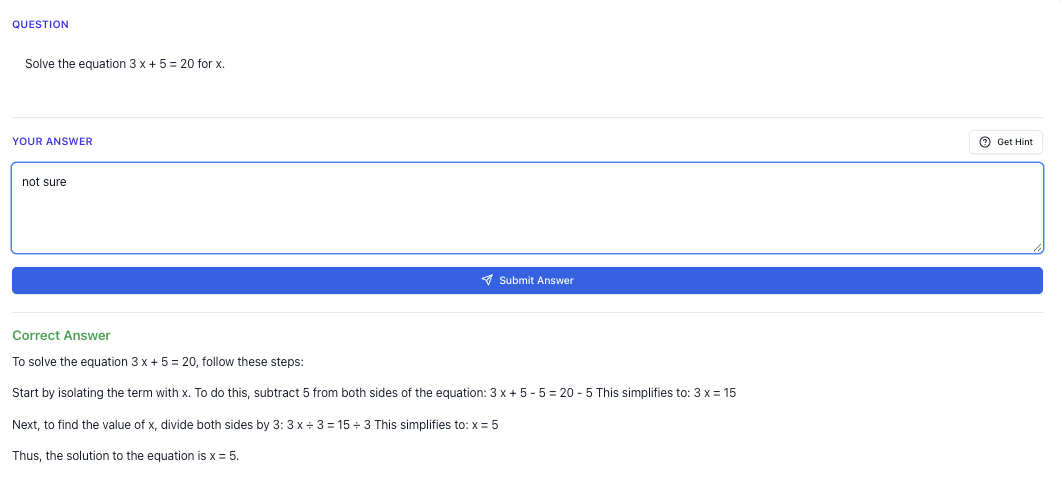
Practise Heat and energy with step-by-step help — free to start
On Tutorly.sg/app you can practise unlimited Singapore syllabus questions, get instant explanations when you are stuck, and use past-year papers — no sign-up needed to start.
- ✓ PSLE, O Level, A Level, and more
- ✓ Step-by-step working when you are stuck
- ✓ Works on phone and laptop
Quick answer
Ever felt your heart sink when you see a PSLE Science question on heat and energy? You're not alone. To master this topic, focus on understanding key concepts like conduction, convection, and radiation, and how energy is transferred. Once these ideas click, the rest becomes easier, and you'll feel more confident in tackling exam questions.
“Stuck on a question? See simple explanations that help you understand fast.”
👉 Give it a try and turn confusion into clarity in minutes.
What you need to know
Heat is a form of energy that can make things warmer. Energy is what makes things work or move. In PSLE Science, understanding how heat moves and how energy changes forms is essential. We often use simple experiments to see these changes in action.
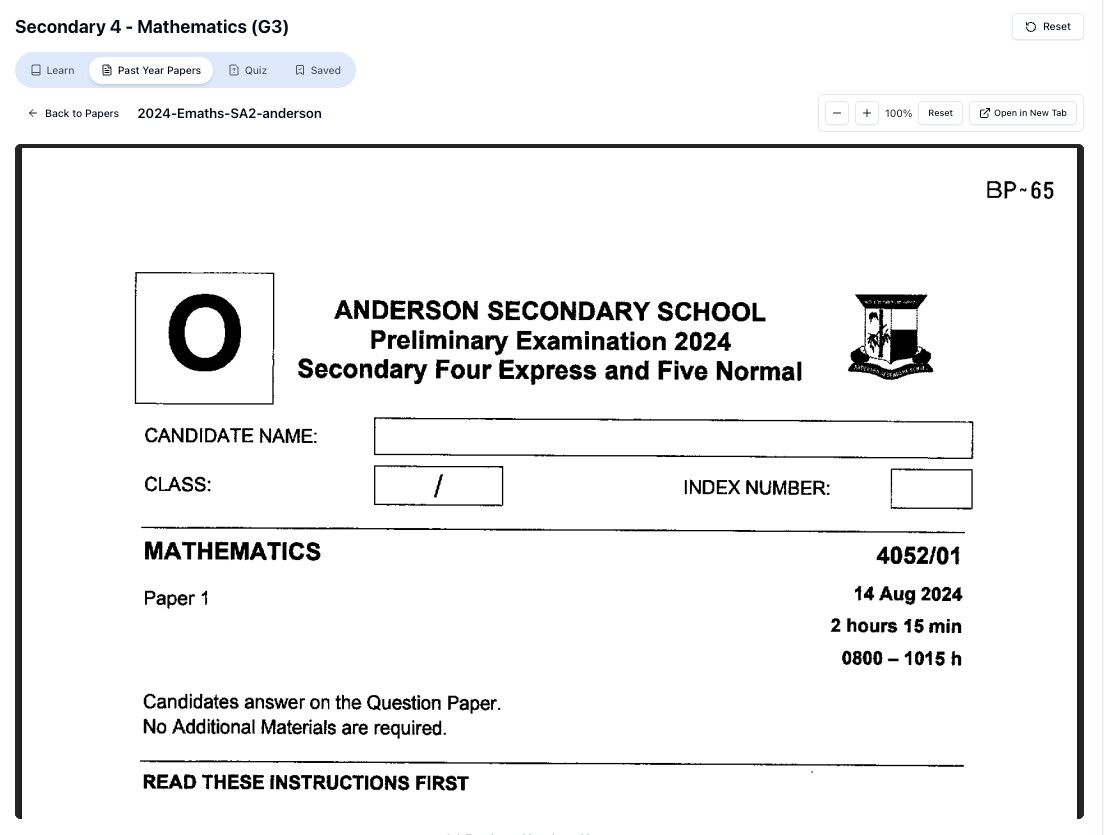
“Access more than 1000+ past year papers to practice”
👉 Start a paper today and test yourself like it’s the real exam.
Understanding Heat Transfer
Conduction
Conduction is when heat moves through a solid object. Imagine touching a metal spoon left in a hot pot. Your fingers feel the heat because it's traveling from the hot pot through the spoon to your hand.
Convection
Convection happens in liquids and gases. Think of boiling water. The hot water rises, and the cooler water sinks. This creates a loop, moving heat around the pot.
Radiation
Radiation is heat moving through space. Imagine standing in the sun and feeling warm. The sun's heat travels through space to reach you, even though there's nothing solid in between.
Quick check
- What is conduction?
- How does convection work?
- Give an example of radiation.
Answers:
- Heat moving through solids.
- Heat moves in liquids/gases by rising and sinking.
- Feeling warm from the sun.
Common mistakes students make
- Mixing up conduction and convection: Remember, conduction is for solids; convection is for liquids and gases.
- Forgetting definitions: Always define terms like radiation in your answers.
- Not linking to real-life examples: Use examples like a warm spoon or boiling water to explain concepts.
Exam tip
When answering PSLE Science questions, always start by identifying what type of heat transfer is involved. Use simple real-life examples to illustrate your answer. This will help you get full marks.
Worked examples
Question 1: Understanding Conduction
Why does a metal spoon feel hot when left in a hot drink?
Solution
Step 1: Identify the material involved: the metal spoon.
Why: Metal is a good conductor of heat, meaning it allows heat to pass through easily.
Step 2: Explain the process: Heat from the hot drink moves through the spoon to your hand.
Why: This shows your understanding of heat transfer by conduction.
Question 2: Explaining Convection
Why does smoke rise from a fire?
Solution
Step 1: Identify the medium: air (a gas).
Why: Convection occurs in gases and liquids, not solids.
Step 2: Explain the movement: Hot air rises and cooler air moves in to replace it.
Why: This circular movement describes convection clearly.
Question 3: Radiation in Action
How do we feel the sun's warmth even in space?
“Doing Secondary Science? Pick a topic and practise like it’s a real exam — with clear answers right after.”
👉 Try Tutorly now and start a Science topic in seconds.

Solution
Step 1: Identify the process: radiation.
Why: Radiation is the transfer of heat through space without needing a medium.
Step 2: Explain that heat travels as waves from the sun to Earth.
Why: This shows how radiation works without needing air or solid objects.
Quick summary
- Heat can move through conduction, convection, and radiation.
- Conduction is in solids, convection is in fluids, and radiation is in empty space.
- Use real-life examples to understand and explain these concepts.
- Always define key terms in exam answers.
- Practice short daily revisions to solidify understanding.
FAQ
1. What is heat energy?
Heat energy is a form of energy that makes things warm. It's the energy that moves from a hot place to a cooler one.
2. How does heat transfer work?
Heat transfer happens in three ways: conduction (solids), convection (liquids and gases), and radiation (through space).
3. Why is understanding heat transfer important for PSLE Science?
It helps you answer questions about how heat moves and interacts with different materials, which are common in exams.
4. How can I remember the differences between conduction, convection, and radiation?
Use simple examples: Metal spoon for conduction, boiling water for convection, and feeling the sun's warmth for radiation.
5. What should I focus on during revision?
Focus on understanding concepts, using short daily study sessions, and linking ideas to real-life examples.
Free on Tutorly.sg
Practise Heat and energy with step-by-step help — free to start
On Tutorly.sg/app you can practise unlimited Singapore syllabus questions, get instant explanations when you are stuck, and use past-year papers — no sign-up needed to start.
- ✓ PSLE, O Level, A Level, and more
- ✓ Step-by-step working when you are stuck
- ✓ Works on phone and laptop
Free practice
Try it yourself
Practise similar questions with step-by-step help on Tutorly
- ✓ Unlimited similar questions
- ✓ Step-by-step help when you are stuck
- ✓ No sign-up needed to start
Practise with free question sets
Work through exam-style questions with answers and step-by-step solutions:
- 35+ PSLE Science Heat and Energy Questions for (Singapore MOE Syllabus) with Step-by-Step Solutions
- Topic study hub
[Practise unlimited questions on Tutorly.sg/app](https://www.tutorly.sg/app)
Related Topics You Should Learn Next
- PSLE Science Heat and energy complete guide Singapore
- PSLE Science AI Tutor: Answering Technique + Worked Questions
- Mastering PSLE Science Keywords for Full-Mark Answers in Singapore
- PSLE Science Revision Singapore: A Practical Game Plan That Actually Works
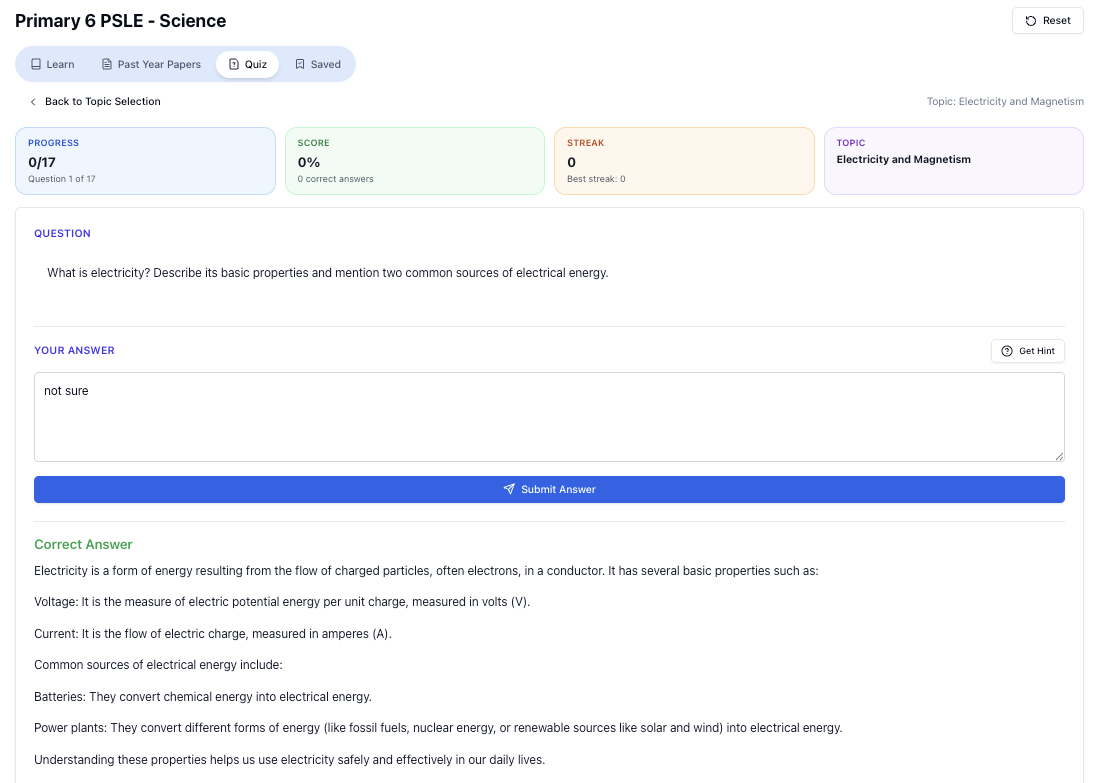
“Practice PSLE Science questions and get clear, step-by-step answers instantly.”
👉 Try a question now and see how fast you can improve.
Free on Tutorly.sg
Practise Heat and energy with step-by-step help — free to start
On Tutorly.sg/app you can practise unlimited Singapore syllabus questions, get instant explanations when you are stuck, and use past-year papers — no sign-up needed to start.
- ✓ PSLE, O Level, A Level, and more
- ✓ Step-by-step working when you are stuck
- ✓ Works on phone and laptop