

Free on Tutorly.sg
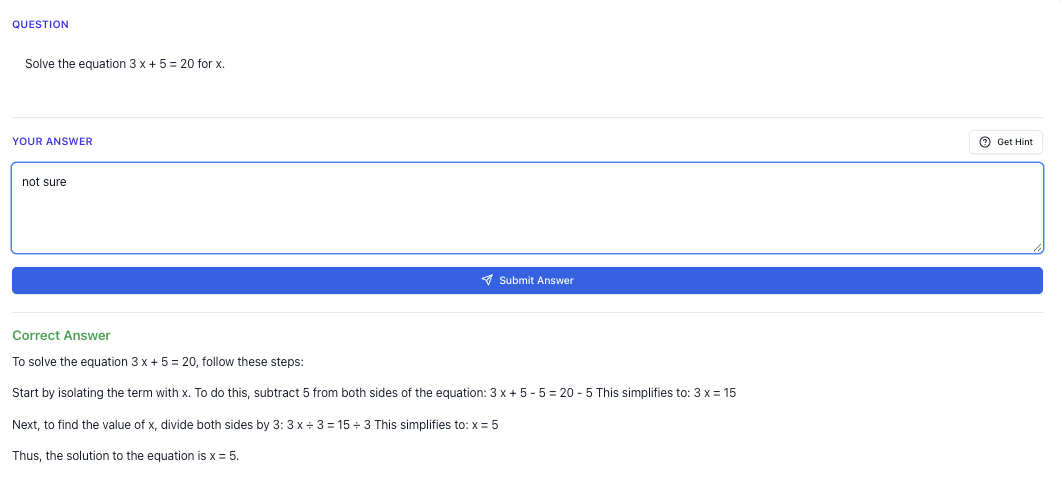
Practise Decimals with step-by-step help — free to start
On Tutorly.sg/app you can practise unlimited Singapore syllabus questions, get instant explanations when you are stuck, and use past-year papers — no sign-up needed to start.
- ✓ PSLE, O Level, A Level, and more
- ✓ Step-by-step working when you are stuck
- ✓ Works on phone and laptop
Quick answer
Decimals can be tricky, especially when you're stressed the night before an exam. It's easy to lose marks if you're not sure which steps to prioritise. But don't worry, once you understand the basics and practice a little each day, decimals will become easier to handle.
“Stuck on a question? See simple explanations that help you understand fast.”
👉 Give it a try and turn confusion into clarity in minutes.
What you need to know
Decimals are numbers that have a dot (called a decimal point) separating the whole number from the fractional part. For example, in 3.45, the "3" is the whole number, and ".45" is the fractional part.
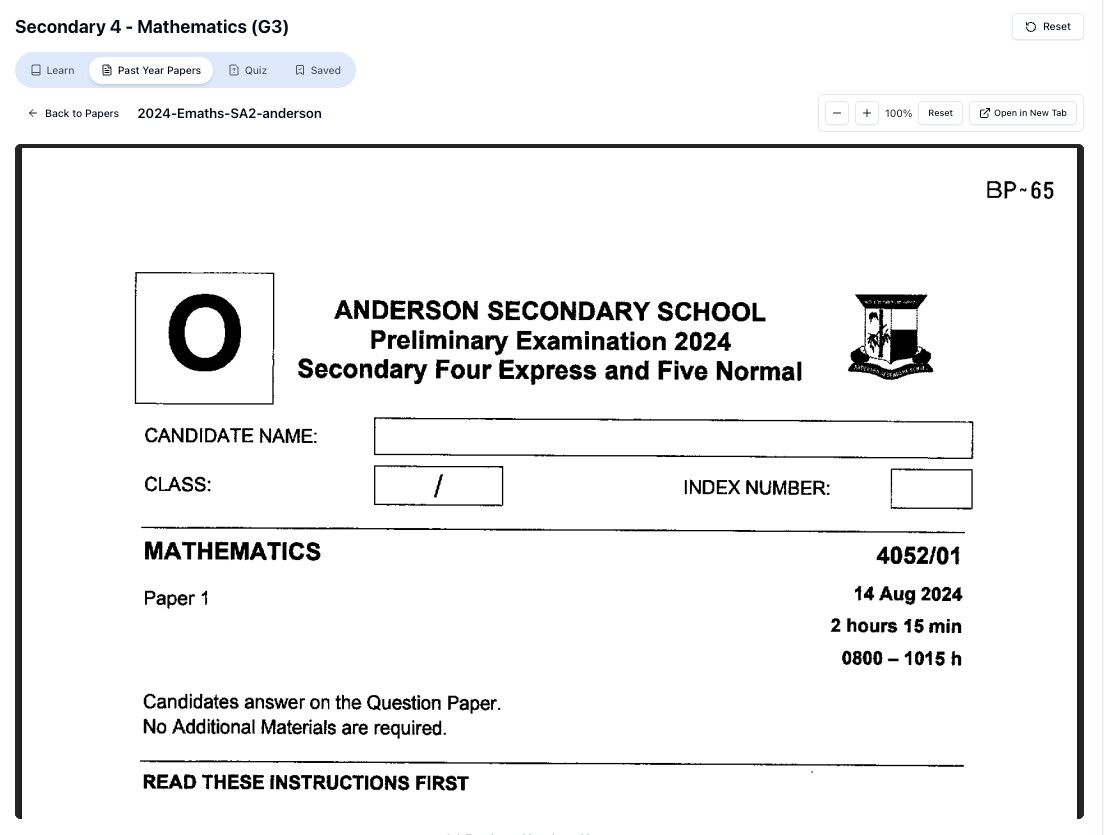
“Access more than 1000+ past year papers to practice”
👉 Start a paper today and test yourself like it’s the real exam.
Understanding Place Value
Each digit in a decimal number has a place value. For example, in 0.456, the "4" is in the tenths place, the "5" is in the hundredths place, and the "6" is in the thousandths place. This means 0.456 is the same as saying + + .
How to Compare Decimals
Step 1: Line Up the Decimal Points
Write the numbers so that the decimal points are in a straight line. This helps you compare each place value easily.
Why: Aligning the decimal points ensures you're comparing digits with the same place value.
Step 2: Compare Digit by Digit
Start from the left and compare each digit. The first different digit you encounter will tell you which number is larger or smaller.
Why: This method helps to clearly see which number has the greater value based on the place value.
Quick check
Compare these decimals:
- 0.56 and 0.5
- 1.234 and 1.24
- 3.456 and 3.465
Answers:
- 0.56 is greater.
- 1.234 is smaller.
- 3.456 is smaller.
Adding and Subtracting Decimals
Step 1: Line Up the Decimal Points
Just like comparing, make sure the decimal points are aligned before you start adding or subtracting.
Why: This ensures you add or subtract digits with the same place value.
Step 2: Add Zeros if Needed
If the numbers have different lengths, add zeros to the shorter number to help with the addition or subtraction.
Why: Adding zeros makes the numbers easier to work with and keeps the place values correct.
Step 3: Perform the Operation
Add or subtract the numbers as you would with whole numbers.
Why: Once aligned, the operation is straightforward, just like whole numbers.
Revision checklist
- Misaligned Decimal Points: Always line them up before any operation.
- Ignoring Place Value: Remember, each digit's position matters.
- Forgetting to Add Zeros: Fill in gaps with zeros to avoid mistakes.
- Rushing Through Steps: Take it slow; each step is important.
Exam tip
In exams, clear presentation is key. Write neatly, and always double-check your decimal points. Look out for common traps, like mixing up place values or skipping steps because of nerves.
Worked examples
Question
Add 4.56 and 3.7.
Solution
Step 1: Write the numbers with decimal points aligned:
Why: Aligning ensures correct addition of place values.
“Doing Secondary Science? Pick a topic and practise like it’s a real exam — with clear answers right after.”
👉 Try Tutorly now and start a Science topic in seconds.

Step 2: Add zeros to 3.7 to make it 3.70.
Why: This helps keep the place values consistent.
Step 3: Add as you would whole numbers:
Why: The operation is the same as whole numbers once aligned.
Question
Subtract 2.34 from 5.67.
Solution
Step 1: Align the decimal points:
Why: Ensures each digit is subtracted from the correct place value.
Step 2: Subtract as you would whole numbers:
Why: Aligning makes subtraction straightforward.
Quick summary
- Decimals have a whole number and a fractional part.
- Align decimal points for comparing, adding, or subtracting.
- Add zeros to even out the place values.
- Practice short daily sessions, not long cramming.
- Focus on understanding, not just memorising steps.
FAQ
Q 1: Why do I always lose marks on decimal questions?
A 1: It's usually due to misaligned decimal points or incorrect place values. Practice aligning decimal points carefully.
Q 2: How can I get better at decimals fast?
A 2: Practice a little every day and focus on understanding place values. Short, regular practice sessions work best.
Q 3: What's a common mistake students make with decimals?
A 3: Forgetting to add zeros when numbers have different lengths is a common mistake. Always make sure the numbers are lined up properly.
Q 4: How do I compare decimals quickly?
A 4: Line up the decimal points and compare digit by digit from left to right. The first different digit will tell you which number is greater or smaller.
Free on Tutorly.sg
Practise Decimals with step-by-step help — free to start
On Tutorly.sg/app you can practise unlimited Singapore syllabus questions, get instant explanations when you are stuck, and use past-year papers — no sign-up needed to start.
- ✓ PSLE, O Level, A Level, and more
- ✓ Step-by-step working when you are stuck
- ✓ Works on phone and laptop
Free practice
Try it yourself
Ready to practise more? Try similar questions with step-by-step help on Tutorly.
- ✓ Unlimited similar questions
- ✓ Step-by-step help when you are stuck
- ✓ No sign-up needed to start
Related Topics You Should Learn Next
- Primary Mathematics: Decimals Made Easy for PSLE
- Primary Mathematics: How to Score Marks in Decimals Questions
- Primary Mathematics: Common Decimal Mistakes That Cost Marks
- Primary Mathematics: Decimals Explained Simply
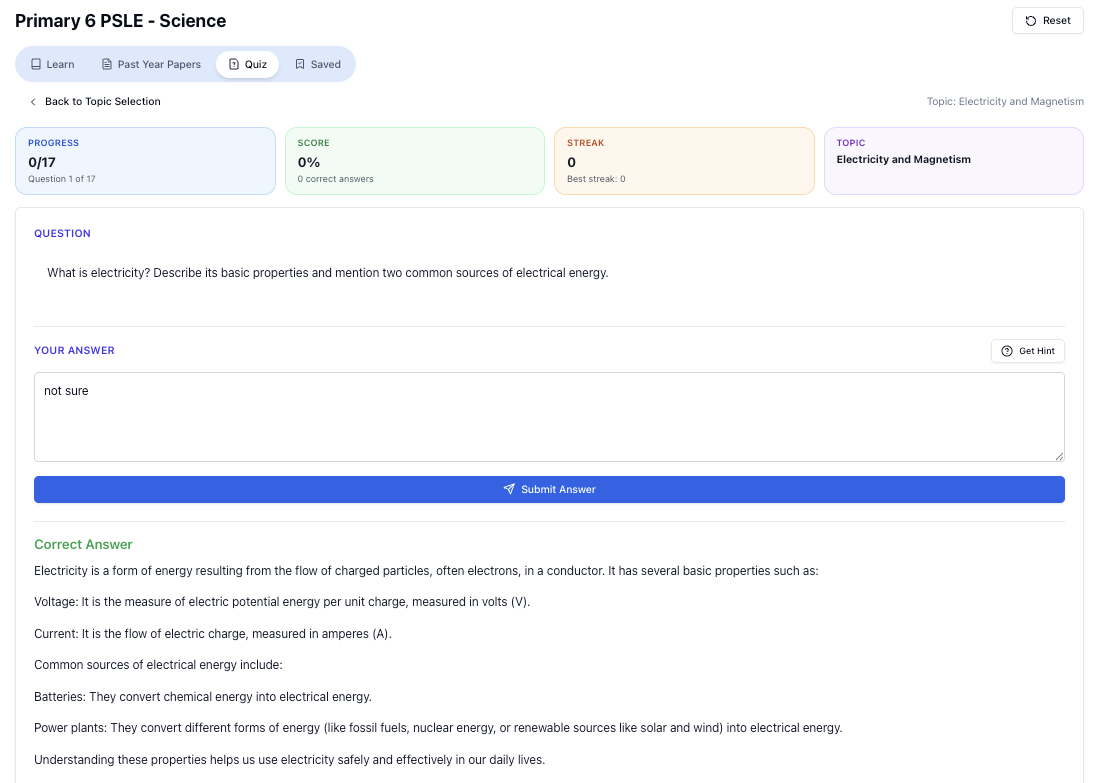
“Practice PSLE Science questions and get clear, step-by-step answers instantly.”
👉 Try a question now and see how fast you can improve.
Free on Tutorly.sg
Practise Decimals with step-by-step help — free to start
On Tutorly.sg/app you can practise unlimited Singapore syllabus questions, get instant explanations when you are stuck, and use past-year papers — no sign-up needed to start.
- ✓ PSLE, O Level, A Level, and more
- ✓ Step-by-step working when you are stuck
- ✓ Works on phone and laptop