

Free on Tutorly.sg
Practise Heat and energy with step-by-step help — free to start
On Tutorly.sg/app you can practise unlimited Singapore syllabus questions, get instant explanations when you are stuck, and use past-year papers — no sign-up needed to start.
- ✓ PSLE, O Level, A Level, and more
- ✓ Step-by-step working when you are stuck
- ✓ Works on phone and laptop
Quick answer
Feeling stuck on heat and energy questions during PSLE Science? Breathe first. I’ll share simple steps to score marks without panic. Once you know the tricks, these questions become much easier.
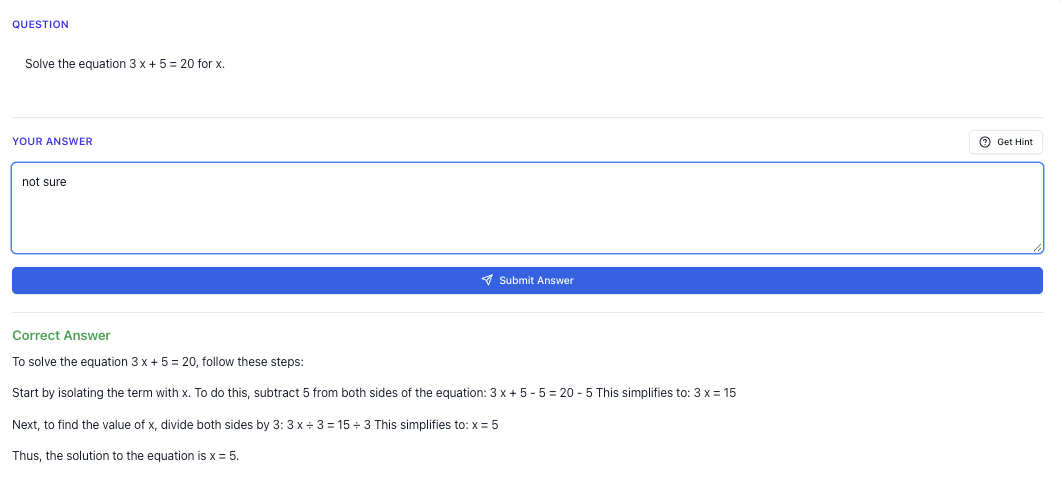
“Stuck on a question? See simple explanations that help you understand fast.”
👉 Give it a try and turn confusion into clarity in minutes.
What you need to know
Heat and energy are about understanding how heat moves and how it affects objects. Heat is a form of energy that moves from hot to cold places. In PSLE Science, you need to know how this transfer works and how to explain it clearly.
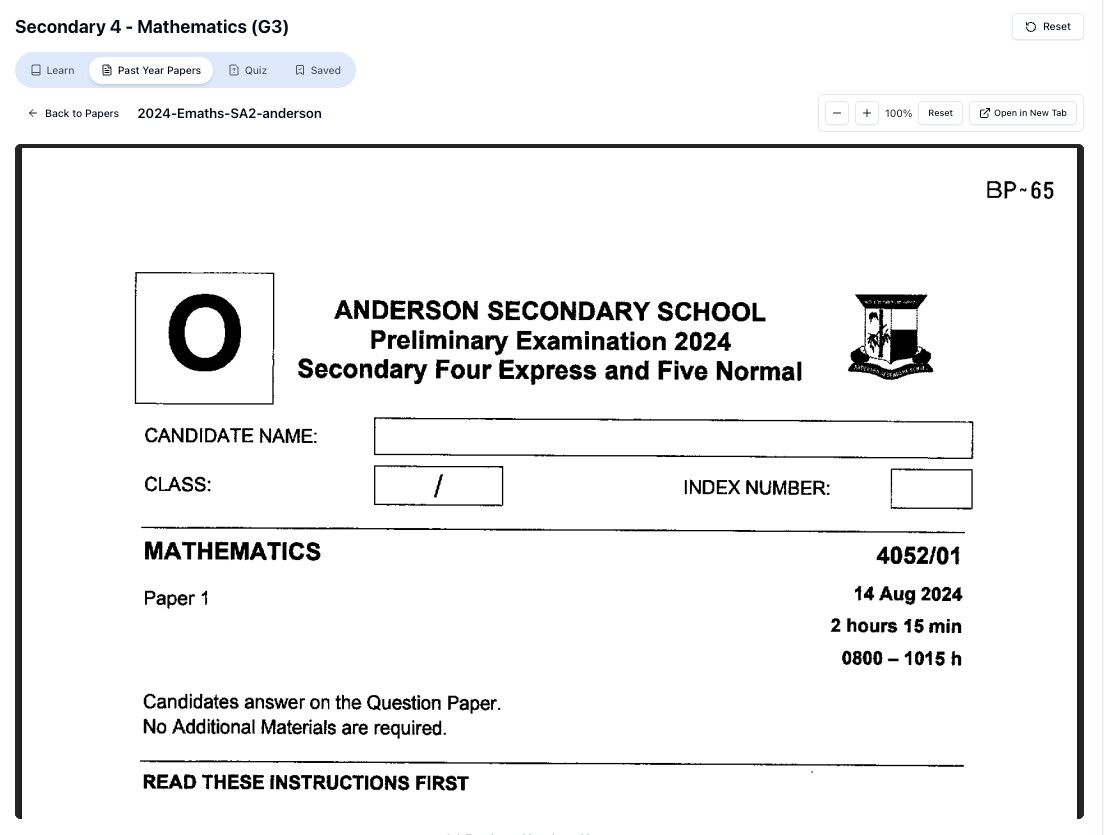
“Access more than 1000+ past year papers to practice”
👉 Start a paper today and test yourself like it’s the real exam.
Breaking It Down: Heat and Energy Concepts
This topic becomes easier when broken into smaller steps. Many students struggle because they can't visualise how heat moves. Let's simplify it.
Heat Transfer
Heat transfer is how heat moves from one place to another. There are three ways this happens: conduction, convection, and radiation.
- Conduction: Heat moves through solids. Imagine holding a metal spoon in hot soup. The spoon gets hot because heat moves through it.
- Convection: Heat moves through liquids and gases. Think of boiling water. Hot water rises, and cooler water goes down.
- Radiation: Heat moves through empty space. Like how the sun's heat reaches us on Earth.
Quick Check
-
What happens when you touch a hot stove?
Answer: Heat moves from the stove to your hand by conduction. -
Why does the air near the ceiling feel warmer than the floor?
Answer: Warm air rises because of convection. -
How does heat from the sun reach Earth?
Answer: Through radiation.
Common mistakes students make
Mistake 1: Mixing Up Heat Transfer Methods
Parents are often surprised that their children mix up conduction, convection, and radiation. Remember, conduction needs contact, convection needs movement of fluid, and radiation needs no medium.
Mistake 2: Not Using Keywords
In exams, not using the right terms can cost marks. For example, if a question asks about heat transfer in a metal rod, use "conduction" in your answer.
Mistake 3: Forgetting Units
Always write the correct units for temperature and energy. This part trips everyone up, but it’s important for full marks.
Exam tip
During the exam, manage your time wisely. Start with questions you find easier to build confidence. If you get stuck, move on and come back later. This way, you won't panic and run out of time.
Worked examples
Question 1
Explain how heat is transferred from a stove to a pot of water.
Solution
Step 1: Identify the heat transfer method.
Why: Knowing if it's conduction, convection, or radiation helps you answer correctly.
Step 2: Describe conduction from stove to pot.
Why: Heat moves from the hot stove to the pot by direct contact.
Step 3: Describe convection in the pot.
Why: Heat causes the water to move, with hot water rising and cooler water sinking.
Question 2
Why does a metal bench feel colder than a wooden one on a cool day?
“Doing Secondary Science? Pick a topic and practise like it’s a real exam — with clear answers right after.”
👉 Try Tutorly now and start a Science topic in seconds.

Solution
Step 1: Identify the materials.
Why: Metal and wood conduct heat differently.
Step 2: Explain conduction for metal.
Why: Metal conducts heat away from your body faster than wood, making it feel colder.
Quick summary
- Heat moves from hot to cold through conduction, convection, and radiation.
- Use correct terms to describe heat transfer in answers.
- Always include units for temperature and energy.
- Manage exam time by starting with easier questions.
- Practise daily to remember concepts better.
FAQ
1. Can heat transfer happen without touching?
Yes, through radiation. It's how the sun's heat reaches Earth.
2. What is the most common mistake in heat questions?
Mixing up conduction, convection, and radiation. Remember, conduction needs contact.
3. How can I remember these concepts better?
Link them to stories or images. Like imagining the sun's rays warming you.
4. Why is my child losing marks despite knowing the content?
Often, it's about not using key terms or not explaining clearly in exams.
Free on Tutorly.sg
Practise Heat and energy with step-by-step help — free to start
On Tutorly.sg/app you can practise unlimited Singapore syllabus questions, get instant explanations when you are stuck, and use past-year papers — no sign-up needed to start.
- ✓ PSLE, O Level, A Level, and more
- ✓ Step-by-step working when you are stuck
- ✓ Works on phone and laptop
Free practice
Try it yourself
Practise similar questions with step-by-step help on Tutorly. Regular practice will make these concepts stick.
- ✓ Unlimited similar questions
- ✓ Step-by-step help when you are stuck
- ✓ No sign-up needed to start
Practise with free question sets
Work through exam-style questions with answers and step-by-step solutions:
- 35+ PSLE Science Heat and Energy Questions for (Singapore MOE Syllabus) with Step-by-Step Solutions
- Topic study hub
[Practise unlimited questions on Tutorly.sg/app](https://www.tutorly.sg/app)
Related Topics You Should Learn Next
- PSLE Science: Mastering Heat and Energy Without Overload
- PSLE Science: Avoid These Common Heat and Energy Mistakes
- PSLE Science: Understanding Heat and Energy Without the Headache
- How To Score Full Marks For PSLE Science Open Ended Questions In Singapore
Once you get the hang of these steps, you’ll find heat and energy questions less daunting. Remember, short daily revision works better, so keep practising.
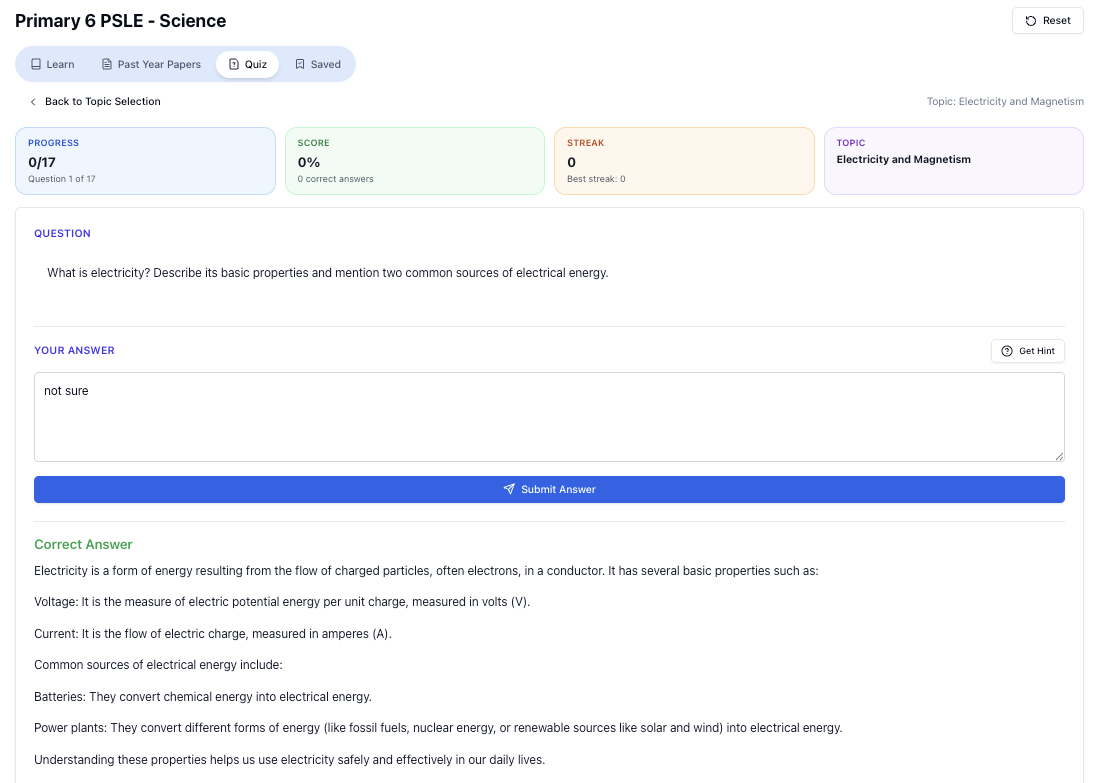
“Practice PSLE Science questions and get clear, step-by-step answers instantly.”
👉 Try a question now and see how fast you can improve.
Free on Tutorly.sg
Practise Heat and energy with step-by-step help — free to start
On Tutorly.sg/app you can practise unlimited Singapore syllabus questions, get instant explanations when you are stuck, and use past-year papers — no sign-up needed to start.
- ✓ PSLE, O Level, A Level, and more
- ✓ Step-by-step working when you are stuck
- ✓ Works on phone and laptop