

Free on Tutorly.sg
Practise Composition with step-by-step help — free to start
On Tutorly.sg/app you can practise unlimited Singapore syllabus questions, get instant explanations when you are stuck, and use past-year papers — no sign-up needed to start.
- ✓ PSLE, O Level, A Level, and more
- ✓ Step-by-step working when you are stuck
- ✓ Works on phone and laptop
Quick answer
You know that sinking feeling when the PSLE composition question looks nothing like what you practiced? It happens to many students. But once you see how to break it down, it gets easier. By the end of this, you'll be able to tackle those tricky questions with confidence.
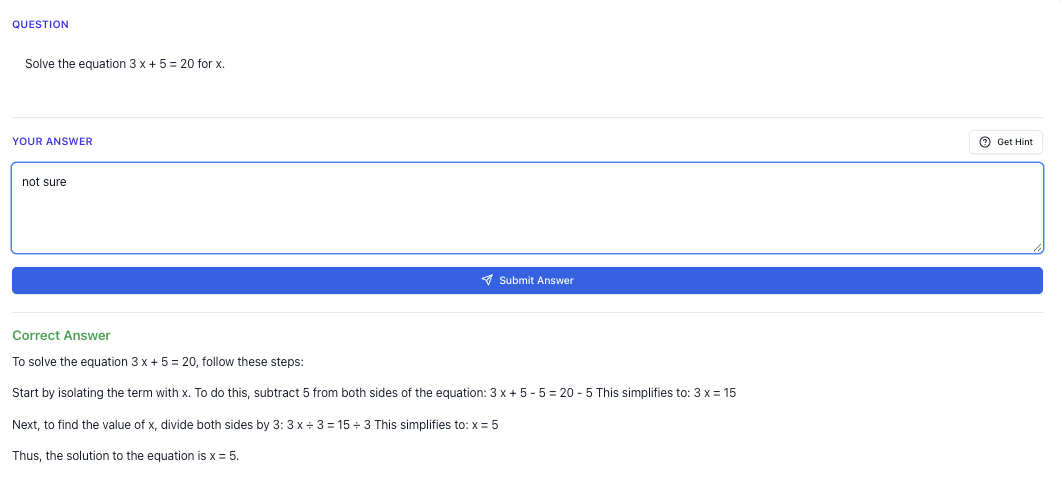
“Stuck on a question? See simple explanations that help you understand fast.”
👉 Give it a try and turn confusion into clarity in minutes.
What you need to know
In PSLE English Composition, you write a story based on a given topic or picture. It tests your ability to express ideas clearly and creatively.
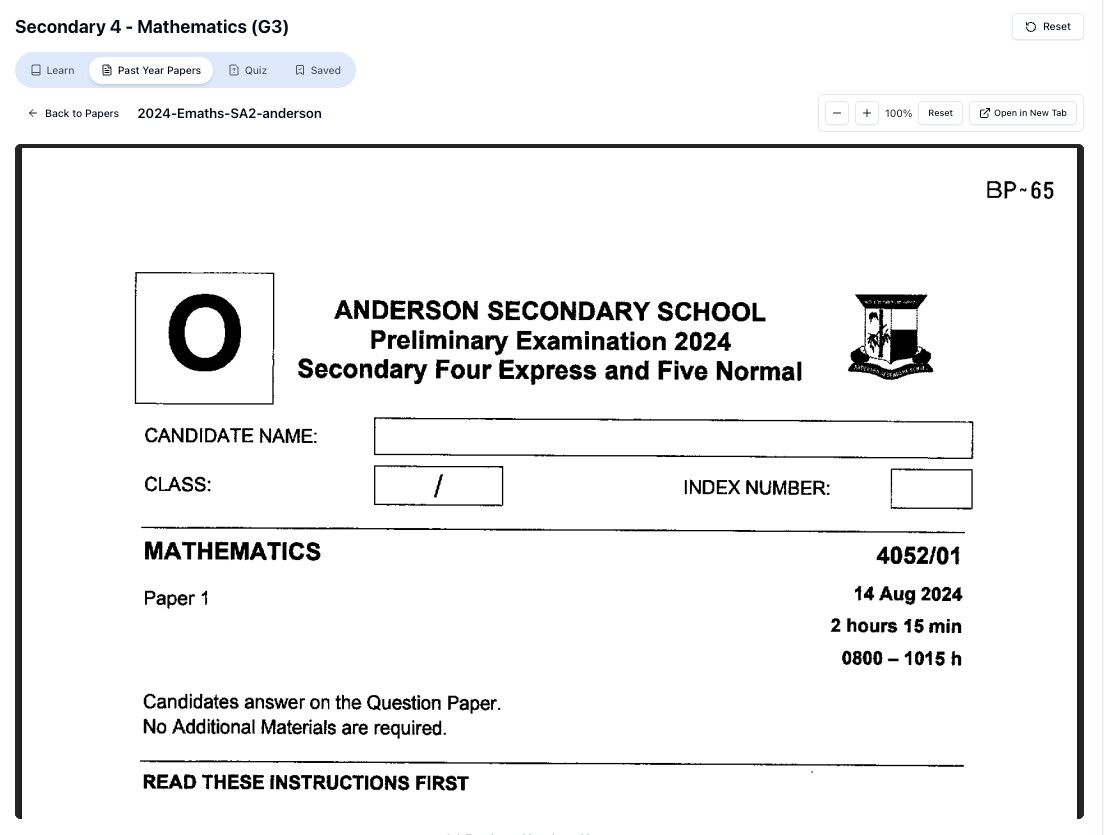
“Access more than 1000+ past year papers to practice”
👉 Start a paper today and test yourself like it’s the real exam.
Understanding the PSLE Composition Question
Step 1: Read the question carefully
Why: This sounds simple, but missing a detail can change your whole story. The question often gives hints about the theme or setting.
Step 2: Identify the key elements
Why: Look for words that tell you what the story should include. This helps you plan your plot around the requirements.
Step 3: Visualise the story
Why: Picture the setting and characters in your mind. This makes it easier to describe them later.
Step 4: Plan your story structure
Why: A simple trick I teach my students is to use a beginning, middle, and end. This structure keeps your writing clear and focused.
Quick check
- What are the key elements in a PSLE composition question?
- Why is visualising the story important?
- How does planning a story structure help?
Answers: 1. Theme, setting, characters; 2. Helps in describing details; 3. Keeps writing clear.
Common mistakes students make
Mistake 1: Missing out on key details
Students sometimes skip important details in the question. Always underline or highlight these parts to remember them.
Mistake 2: Overcomplicating the story
Primary 5 students often try to write too complex a story. Keep it simple and clear.
Mistake 3: Forgetting to plan
Jumping straight into writing without planning is common. Spend a few minutes sketching out your ideas first.
Exam tip
Remember to manage your time well. Spend the first 10 minutes planning your story. This way, you won't rush and miss important parts. Presentation matters too, so write neatly.
Worked examples
Question 1
Write a story about a surprising event during a school outing.
Solution
Step 1: Start with the setting.
Why: This gives your reader a sense of place and time. Mention where and when the outing happened.
Step 2: Introduce the characters.
Why: Knowing who is involved helps the reader connect with the story.
Step 3: Describe the surprising event.
Why: This is the main part of your story, so make sure it's clear and interesting.
Step 4: Conclude with the outcome.
Why: Wrap up the story by showing how the event affected the characters.
“Doing Secondary Science? Pick a topic and practise like it’s a real exam — with clear answers right after.”
👉 Try Tutorly now and start a Science topic in seconds.

Question 2
Write about a time you helped someone in need.
Solution
Step 1: Set the scene.
Why: Establish the context. Where were you? What was happening?
Step 2: Introduce the person in need.
Why: This is crucial for the reader to understand the situation.
Step 3: Describe how you helped.
Why: This is the action part of your story. Be detailed so the reader can picture it.
Step 4: End with how the situation improved.
Why: Show the result of your actions to give the story a satisfying conclusion.
Quick summary
- Carefully read and understand the question.
- Visualise your story before writing.
- Plan your story structure: beginning, middle, end.
- Focus on key details and keep your story simple.
- Manage your time during the exam: plan first, write next.
FAQ
-
How do I come up with ideas for my story?
Start by thinking about personal experiences or stories you've heard. -
What if I don't understand the question?
Break it down into smaller parts and focus on what you do know. -
Is it okay to use simple language?
Yes, clear and simple language is always better than complicated words. -
How long should my composition be?
Aim for about 150-200 words, focusing on quality over quantity. -
What if I make a mistake?
Don’t panic. Cross it out neatly and keep going. It's important to finish your story.
Free on Tutorly.sg
Practise Composition with step-by-step help — free to start
On Tutorly.sg/app you can practise unlimited Singapore syllabus questions, get instant explanations when you are stuck, and use past-year papers — no sign-up needed to start.
- ✓ PSLE, O Level, A Level, and more
- ✓ Step-by-step working when you are stuck
- ✓ Works on phone and laptop
Free practice
Try it yourself
Practise similar questions with step-by-step help on Tutorly.
- ✓ Unlimited similar questions
- ✓ Step-by-step help when you are stuck
- ✓ No sign-up needed to start
Related Topics You Should Learn Next
- PSLE Composition worked examples step by step Singapore
- PSLE English Composition Help in Singapore: A Practical Guide to Scoring Higher
- PSLE English Composition: Simple Ways to Nail Your Story
- PSLE Composition revision notes summary Singapore
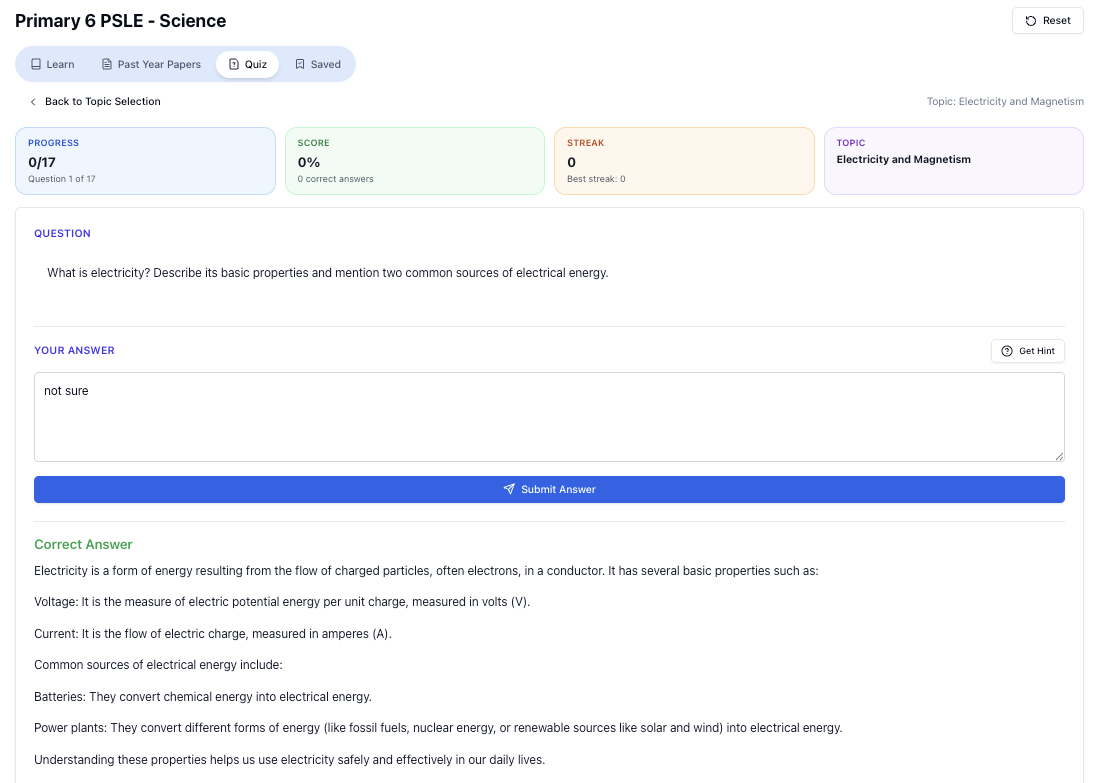
“Practice PSLE Science questions and get clear, step-by-step answers instantly.”
👉 Try a question now and see how fast you can improve.
Free on Tutorly.sg
Practise Composition with step-by-step help — free to start
On Tutorly.sg/app you can practise unlimited Singapore syllabus questions, get instant explanations when you are stuck, and use past-year papers — no sign-up needed to start.
- ✓ PSLE, O Level, A Level, and more
- ✓ Step-by-step working when you are stuck
- ✓ Works on phone and laptop