

Free on Tutorly.sg
Practise Composition with step-by-step help — free to start
On Tutorly.sg/app you can practise unlimited Singapore syllabus questions, get instant explanations when you are stuck, and use past-year papers — no sign-up needed to start.
- ✓ PSLE, O Level, A Level, and more
- ✓ Step-by-step working when you are stuck
- ✓ Works on phone and laptop
Quick answer
Seeing your PSLE English composition question can feel like a heart-sinking moment, especially when all those notes seem like a foreign language. But don't worry, okay? After this, you'll have a clear path to craft a story that clicks with examiners and saves you those precious marks.
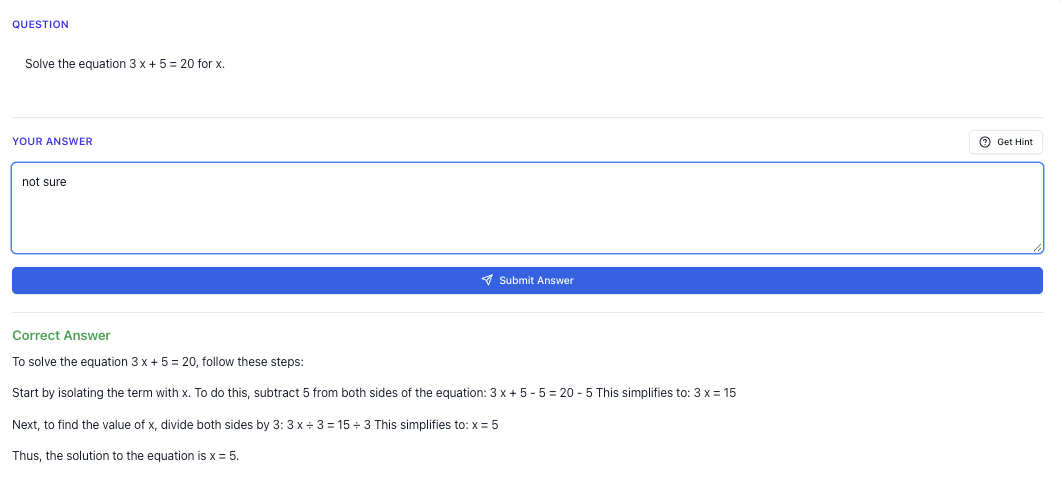
“Stuck on a question? See simple explanations that help you understand fast.”
👉 Give it a try and turn confusion into clarity in minutes.
What you need to know
In PSLE English Composition, you need to write a story based on a topic or picture. It's like telling a tale to your friends, but with a beginning, middle, and end. The goal is to make your story interesting and clear.
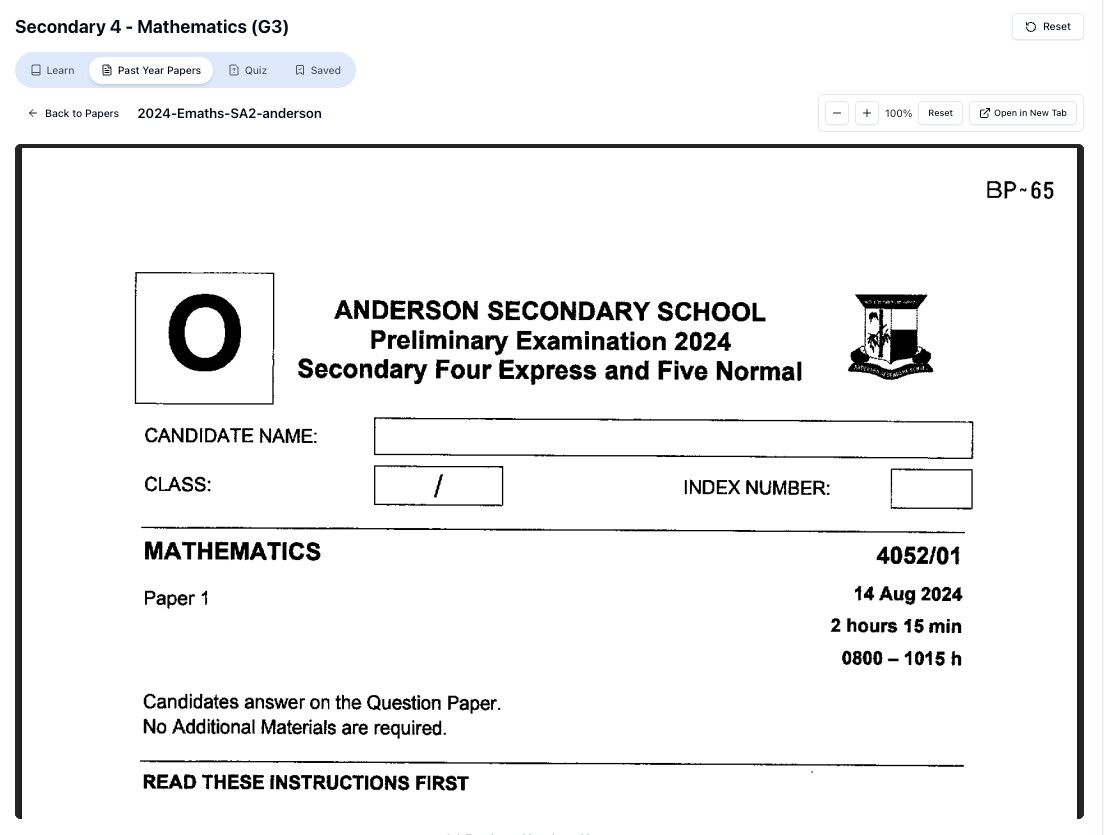
“Access more than 1000+ past year papers to practice”
👉 Start a paper today and test yourself like it’s the real exam.
Common mistakes students make
Mistake 1: Missing the Main Point
Many students write stories that go off-topic. This happens when you don't clearly understand the question or picture.
Fix it:
- Step 1: Read the question twice. Underline key words.
Why: This helps you focus on what the story should be about. - Step 2: Plan your story in three parts: beginning, middle, end.
Why: A simple outline keeps your story on track.
Mistake 2: Weak Characters
Stories with flat characters don't hold the reader's attention. Your characters should feel real.
Fix it:
- Step 1: Think of your characters as real people. Give them names and traits.
Why: Realistic characters make your story relatable. - Step 2: Show, don't just tell. Instead of saying "he was brave," write about what he did that was brave.
Why: Actions speak louder than words and engage the reader.
Mistake 3: Rushing the Ending
A rushed ending can leave your reader hanging. It's like watching a movie that suddenly stops.
Fix it:
- Step 1: Plan your ending before you start writing.
Why: Knowing how your story ends helps you build towards it. - Step 2: Use a resolution that ties back to your main point.
Why: A strong ending provides closure and reinforces your story's theme.
Exam tip
- Marks: Focus on clear storytelling and relevance to the topic.
- Presentation: Write neatly and leave spaces between paragraphs.
- Time: Spend a few minutes planning before you start writing.
- Question types: Be prepared for both picture and topic-based prompts.
Worked examples
Question
Write a story about a surprising discovery.
Solution
Step 1: Identify the main idea.
Why: This ensures your story stays focused on the theme of discovery.
Step 2: Plan your story structure:
- Beginning: Set the scene and introduce characters.
- Middle: Describe the discovery and how characters react.
- End: Resolve the story by showing what the discovery leads to.
Why: A clear structure helps you organize your thoughts and ensures a logical flow.
Step 3: Develop your characters.
Why: Interesting characters make your story engaging.
Step 4: Write the story, following your plan.
Why: Sticking to your plan keeps your writing focused and avoids going off track.
Step 5: Review and revise.
Why: Checking your work helps catch mistakes and improve clarity.
“Doing Secondary Science? Pick a topic and practise like it’s a real exam — with clear answers right after.”
👉 Try Tutorly now and start a Science topic in seconds.

Quick check
- What's the main point of your story?
- Can you describe your characters without just saying what they are like?
- Does your ending provide a clear resolution?
Quick summary
- Focus on the main point of the story.
- Use an outline to keep your story structured.
- Develop your characters with actions and traits.
- Plan your ending before writing.
- Revise your story for clarity and errors.
FAQ
Q 1: How can I make my characters more interesting?
A 1: Think of real people and give your characters traits and actions that reflect their personalities.
Q 2: What if I can't think of an ending?
A 2: Plan your ending first. Know where your story is heading before you start writing.
Q 3: How long should my composition be?
A 3: Aim for about 150-200 words, with a clear beginning, middle, and end.
Q 4: How do I stay on topic?
A 4: Keep referring back to the key words in the question or picture as you write.
Q 5: What if I make a mistake?
A 5: Don't panic. Cross it out neatly and continue. It's normal to make corrections.
Free on Tutorly.sg
Practise Composition with step-by-step help — free to start
On Tutorly.sg/app you can practise unlimited Singapore syllabus questions, get instant explanations when you are stuck, and use past-year papers — no sign-up needed to start.
- ✓ PSLE, O Level, A Level, and more
- ✓ Step-by-step working when you are stuck
- ✓ Works on phone and laptop
Free practice
Try it yourself
Practice writing compositions with step-by-step help on Tutorly. Try past-year style questions and get explanations after you try
- ✓ Unlimited similar questions
- ✓ Step-by-step help when you are stuck
- ✓ No sign-up needed to start
Related Topics You Should Learn Next
- PSLE English AI Tutor (Singapore): Composition + Compre Steps That Actually Work
- PSLE English Composition Help in Singapore: A Practical Guide to Scoring Higher
- PSLE English Composition: Simple Steps to Mastering the Exam
- AI Tutor For Composition Writing In Singapore: How To Actually Improve Your English Compo
- Topic cluster hub: https://tutorly.sg/learn/psle-english-composition
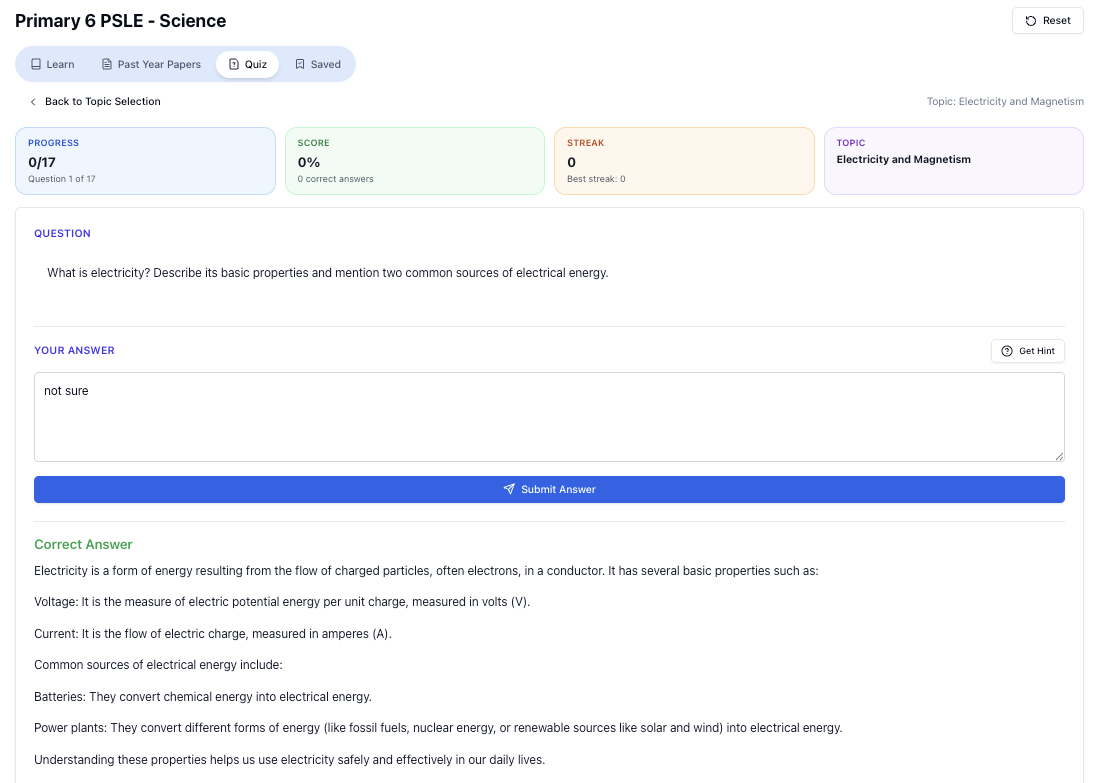
“Practice PSLE Science questions and get clear, step-by-step answers instantly.”
👉 Try a question now and see how fast you can improve.
Free on Tutorly.sg
Practise Composition with step-by-step help — free to start
On Tutorly.sg/app you can practise unlimited Singapore syllabus questions, get instant explanations when you are stuck, and use past-year papers — no sign-up needed to start.
- ✓ PSLE, O Level, A Level, and more
- ✓ Step-by-step working when you are stuck
- ✓ Works on phone and laptop