

Free on Tutorly.sg
Practise Oral with step-by-step help — free to start
On Tutorly.sg/app you can practise unlimited Singapore syllabus questions, get instant explanations when you are stuck, and use past-year papers — no sign-up needed to start.
- ✓ PSLE, O Level, A Level, and more
- ✓ Step-by-step working when you are stuck
- ✓ Works on phone and laptop
Quick answer
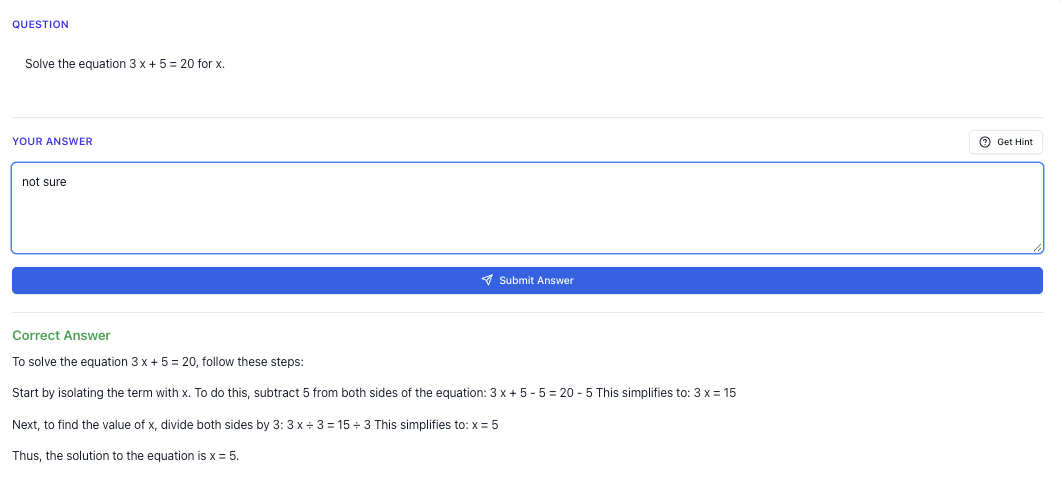
“Stuck on a question? See simple explanations that help you understand fast.”
👉 Give it a try and turn confusion into clarity in minutes.
Your heart sinks when you see the Chinese Oral question. You feel like you're bad at it, but really, it’s often just gaps in the basics. Let's fix those gaps so you can speak confidently and get the marks you deserve.
What you need to know
O Level Chinese Oral tests your ability to read aloud and discuss a topic in Chinese. It checks pronunciation, fluency, and the ability to express ideas clearly.
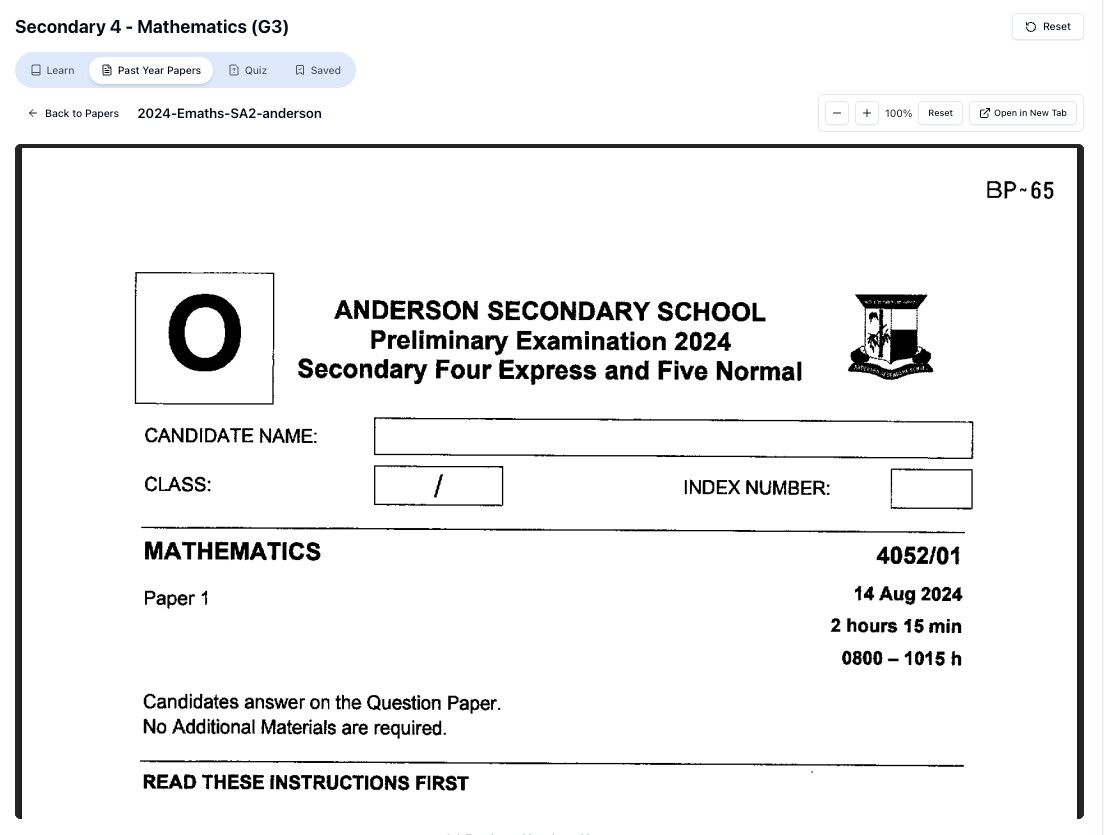
“Access more than 1000+ past year papers to practice”
👉 Start a paper today and test yourself like it’s the real exam.
Common mistakes students make
Mispronunciation of Tones
Mistake: Not getting the tones right can change the meaning of words.
Fix: Practice with a native speaker or use online resources to hear the correct tones. Focus on one tone at a time.
Rushing Through Reading Aloud
Mistake: Reading too fast can lead to mistakes in pronunciation and stress.
Fix: Slow down. Practise reading aloud at a moderate pace. Record yourself and listen for errors.
Limited Vocabulary
Mistake: Using the same words repeatedly shows a lack of variety.
Fix: Learn synonyms and new phrases. Make a list and use them in sentences.
Not Answering the Question Fully
Mistake: Giving short answers without elaborating.
Fix: Use the "PEEL" method: Point, Example, Explanation, Link back to the question.
Exam tip — marks, presentation, time, question types
- Marks: Clarity and fluency matter. Don't rush; it's about quality, not speed.
- Presentation: Stand or sit up straight. Speak clearly and confidently.
- Time: Allocate enough time to practice each part of the exam.
- Question Types: Be ready for both reading and conversation sections. Practise discussing everyday topics.
Worked examples
Question
Read aloud and discuss the topic: "The importance of preserving traditional culture."
Solution
Step 1: Reading Aloud
-
Step 1: Break the passage into smaller parts.
-
Why: This helps you focus on pronunciation and intonation for each section.
-
Step 2: Read each part slowly and clearly.
-
Why: Ensures you pronounce each word correctly, which helps with marks.
Step 2: Discussion
-
Step 1: Start with a clear point about the topic.
-
Why: Sets the stage for your discussion and shows you understood the question.
-
Step 2: Give an example related to traditional culture, like festivals or food.
-
Why: Examples make your point stronger and show depth of understanding.
-
Step 3: Explain why this is important.
-
Why: Explaining shows you can think critically about the topic.
-
Step 4: Link back to the importance of preserving these traditions.
-
Why: Ties everything together and shows you can connect ideas.
Quick check
“Doing Secondary Science? Pick a topic and practise like it’s a real exam — with clear answers right after.”
👉 Try Tutorly now and start a Science topic in seconds.

- What are the four tones in Mandarin, and why are they important?
- How can you make your discussion answers more complete?
- Why is it important to practice reading aloud?
Answers:
- The four tones are high, rising, falling-rising, and falling. They are important because they change the meaning of words.
- Use the "PEEL" method: Point, Example, Explanation, Link.
- It helps with pronunciation, fluency, and confidence.
Quick summary
- Mispronunciation affects meaning; practice tones.
- Don't rush through reading; focus on clarity.
- Expand vocabulary with synonyms.
- Use "PEEL" for fuller answers.
- Practice both reading and discussion.
- Stand or sit confidently during the exam.
- Allocate enough practice time for each part.
FAQ
Q 1: Why do I struggle with Chinese Oral?
Many students struggle because of gaps in basic skills like pronunciation and vocabulary. Practice these basics to build confidence.
Q 2: How can I improve my Chinese speaking skills?
Practice regularly with friends or tutors. Listen to native speakers and mimic their intonation and pronunciation.
Q 3: What should I focus on during the oral exam?
Focus on clarity, correct pronunciation, and expressing your ideas fully. Quality is more important than speed.
Q 4: How important is vocabulary in Chinese Oral?
Very important. A varied vocabulary helps you express ideas more clearly and shows depth of understanding.
Q 5: Can I use English during the exam if I forget a word?
No, you should try to express your ideas using Chinese. If stuck, try describing the word in Chinese.
Free on Tutorly.sg
Practise Oral with step-by-step help — free to start
On Tutorly.sg/app you can practise unlimited Singapore syllabus questions, get instant explanations when you are stuck, and use past-year papers — no sign-up needed to start.
- ✓ PSLE, O Level, A Level, and more
- ✓ Step-by-step working when you are stuck
- ✓ Works on phone and laptop
Free practice
Try it yourself
Practise similar questions and get step-by-step help on . Build your confidence with interactive learning!
- ✓ Unlimited similar questions
- ✓ Step-by-step help when you are stuck
- ✓ No sign-up needed to start
Related Topics You Should Learn Next
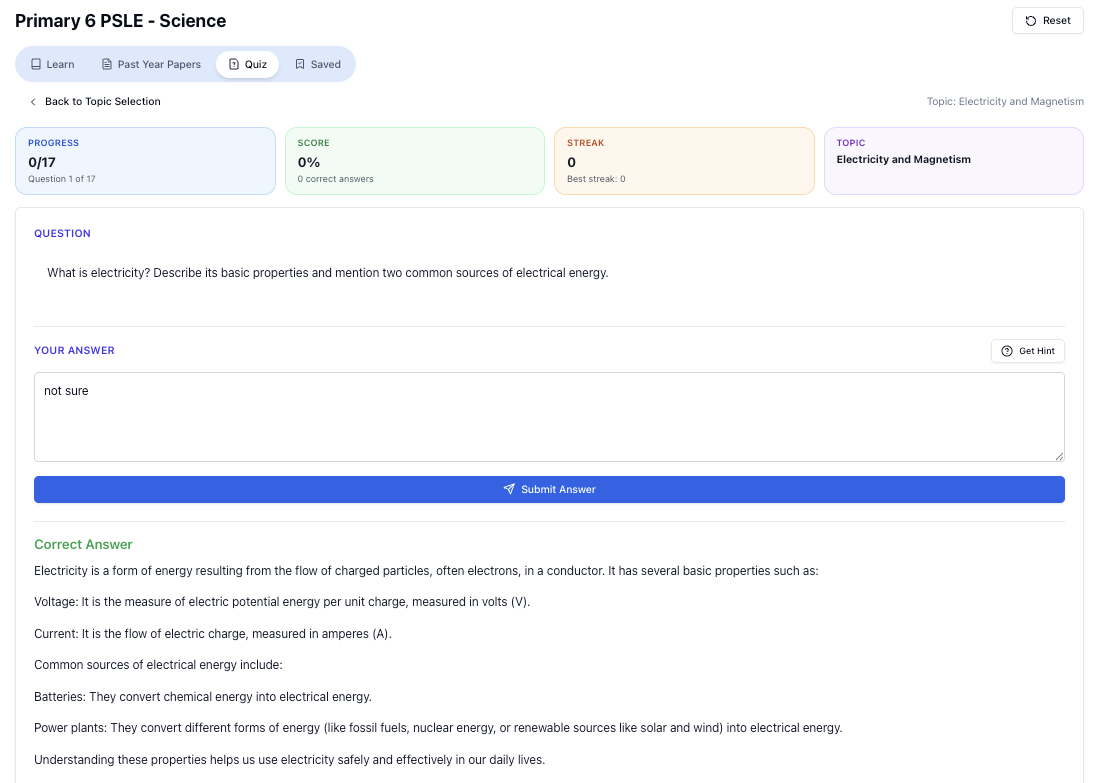
“Practice PSLE Science questions and get clear, step-by-step answers instantly.”
👉 Try a question now and see how fast you can improve.
Free on Tutorly.sg
Practise Oral with step-by-step help — free to start
On Tutorly.sg/app you can practise unlimited Singapore syllabus questions, get instant explanations when you are stuck, and use past-year papers — no sign-up needed to start.
- ✓ PSLE, O Level, A Level, and more
- ✓ Step-by-step working when you are stuck
- ✓ Works on phone and laptop