

Free on Tutorly.sg
Practise Life cycles with step-by-step help — free to start
On Tutorly.sg/app you can practise unlimited Singapore syllabus questions, get instant explanations when you are stuck, and use past-year papers — no sign-up needed to start.
- ✓ PSLE, O Level, A Level, and more
- ✓ Step-by-step working when you are stuck
- ✓ Works on phone and laptop
Quick answer
Life cycles in Primary Science often trip students up because they don't visualise the stages clearly. Missing the basics can make you feel like you're bad at it. But once you see the patterns in these cycles, it becomes much simpler. I'll show you how.
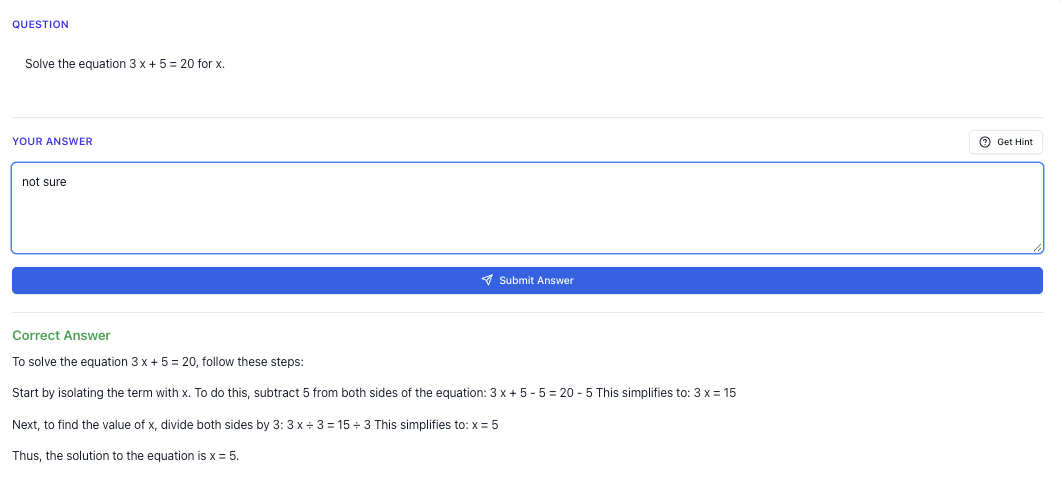
“Stuck on a question? See simple explanations that help you understand fast.”
👉 Give it a try and turn confusion into clarity in minutes.
What you need to know
A life cycle is the series of stages a living thing goes through from the beginning of its life to its end. In Primary Science, we look at the life cycles of animals and plants. It's about understanding how a frog grows from an egg to an adult, or how a seed becomes a flowering plant.
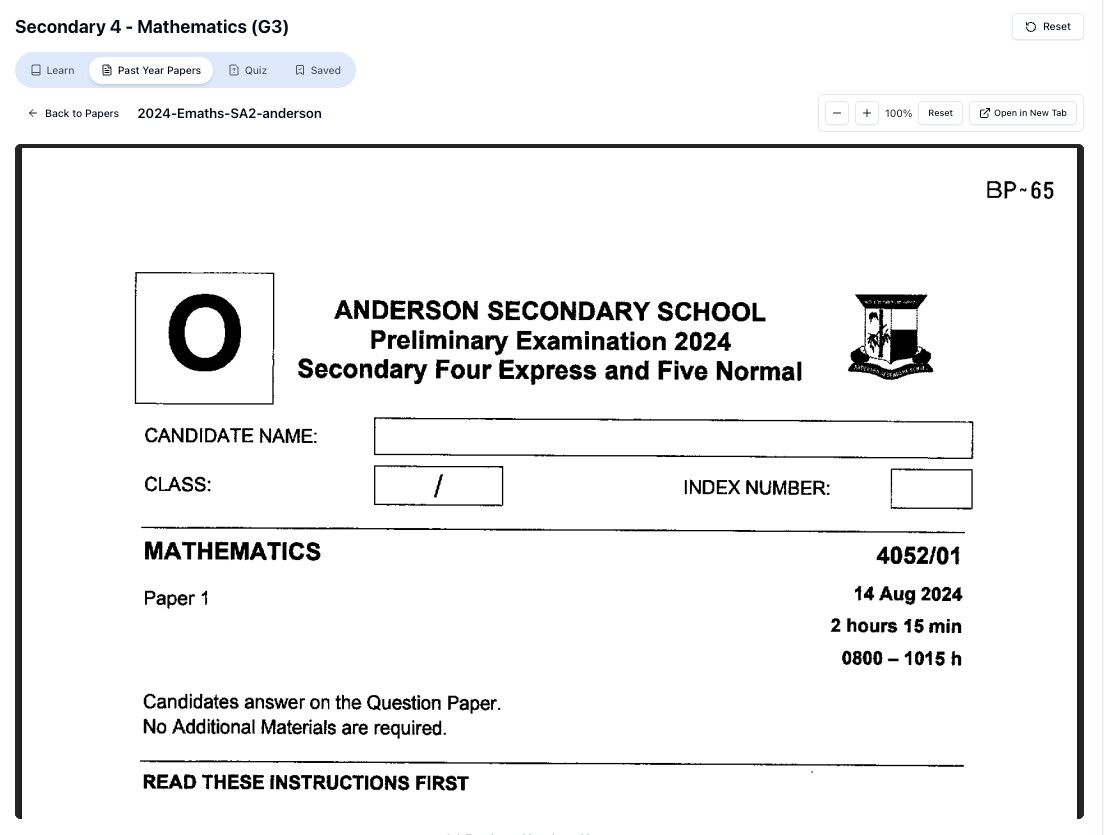
“Access more than 1000+ past year papers to practice”
👉 Start a paper today and test yourself like it’s the real exam.
Why students struggle with life cycles
Story connections help
Children remember better when they can picture a story. Think of a butterfly's life cycle like a story: an egg is laid, it becomes a caterpillar, turns into a chrysalis, and finally emerges as a butterfly. Parents often focus on assessment books, but storytelling can make the concept stick.
Visualisation is key
Many students struggle because they cannot see the stages in their minds. A simple trick I teach my students is to draw the life cycle. For example, draw each stage of a frog's life and label it. This helps you see the process and remember it better.
Short daily revision
Instead of long study sessions, short daily revisions work better. Spend 10 minutes each day looking at life cycle diagrams and explaining them to someone else. This keeps the information fresh in your mind.
Quick check
- What are the four stages of a butterfly's life cycle?
- How does a seed turn into a plant?
- Name two animals with a life cycle that includes metamorphosis.
(Answers: 1. Egg, caterpillar, chrysalis, butterfly. 2. Germination, growth, flowering, seed production. 3. Butterfly, frog.)
Common mistakes students make
Mixing up stages
One common mistake is mixing up the order of life cycle stages. For example, thinking a caterpillar comes after a butterfly. To fix this, remember the sequence: egg, caterpillar, chrysalis, butterfly.
Forgetting definitions
Some students forget what each stage means. For instance, not knowing what a chrysalis is. A chrysalis is the stage where the caterpillar is in a protective casing before becoming a butterfly. Make flashcards with the stage names and their definitions to practice.
Exam tip
When answering life cycle questions, always include the full sequence of stages. Use diagrams if possible. Label each stage clearly, as this can earn you marks for correct presentation.
Question
Explain the life cycle of a frog. Include all stages in your answer.
Solution
Step 1: Start with the egg stage. Frogs lay eggs in water.
Why: This is the first stage, and it's important to show where the cycle begins.
Step 2: Next is the tadpole stage. The eggs hatch into tadpoles.
“Doing Secondary Science? Pick a topic and practise like it’s a real exam — with clear answers right after.”
👉 Try Tutorly now and start a Science topic in seconds.

Why: Tadpoles are like fish; they live in water and have gills.
Step 3: The tadpoles grow legs and become froglets.
Why: This stage is crucial because the tadpole starts changing into a frog.
Step 4: Finally, the froglet becomes an adult frog.
Why: This completes the cycle, showing how it goes from water to land.
Quick summary
- Life cycles are about stages from birth to adulthood.
- Visualise each stage with drawings.
- Use stories to remember the sequence.
- Practice short daily revisions, not long sessions.
- Avoid mixing up stages and forgetting definitions.
FAQ
Q 1: Why do I keep mixing up life cycle stages?
A 1: You might not be visualising them clearly. Try drawing each stage and labeling them.
Q 2: How can I remember the definitions better?
A 2: Use flashcards to test yourself on the meaning of each stage.
Q 3: Are diagrams necessary in exams?
A 3: Yes, diagrams can help show the sequence clearly and earn presentation marks.
Q 4: Why is short revision better than long sessions?
A 4: Short revisions help keep information fresh without overwhelming you.
Free on Tutorly.sg
Practise Life cycles with step-by-step help — free to start
On Tutorly.sg/app you can practise unlimited Singapore syllabus questions, get instant explanations when you are stuck, and use past-year papers — no sign-up needed to start.
- ✓ PSLE, O Level, A Level, and more
- ✓ Step-by-step working when you are stuck
- ✓ Works on phone and laptop
Free practice
Try it yourself
Practise similar life cycle questions with step-by-step help on Tutorly. Visit for interactive learning.
- ✓ Unlimited similar questions
- ✓ Step-by-step help when you are stuck
- ✓ No sign-up needed to start
Related Topics You Should Learn Next
- Primary Science Life Cycles: Complete Guide to Ace Your Exams
- Primary Science Life Cycles: Avoid These Mistakes to Score Better
- Primary Science: Avoiding Common Mistakes in Diversity of Living Things
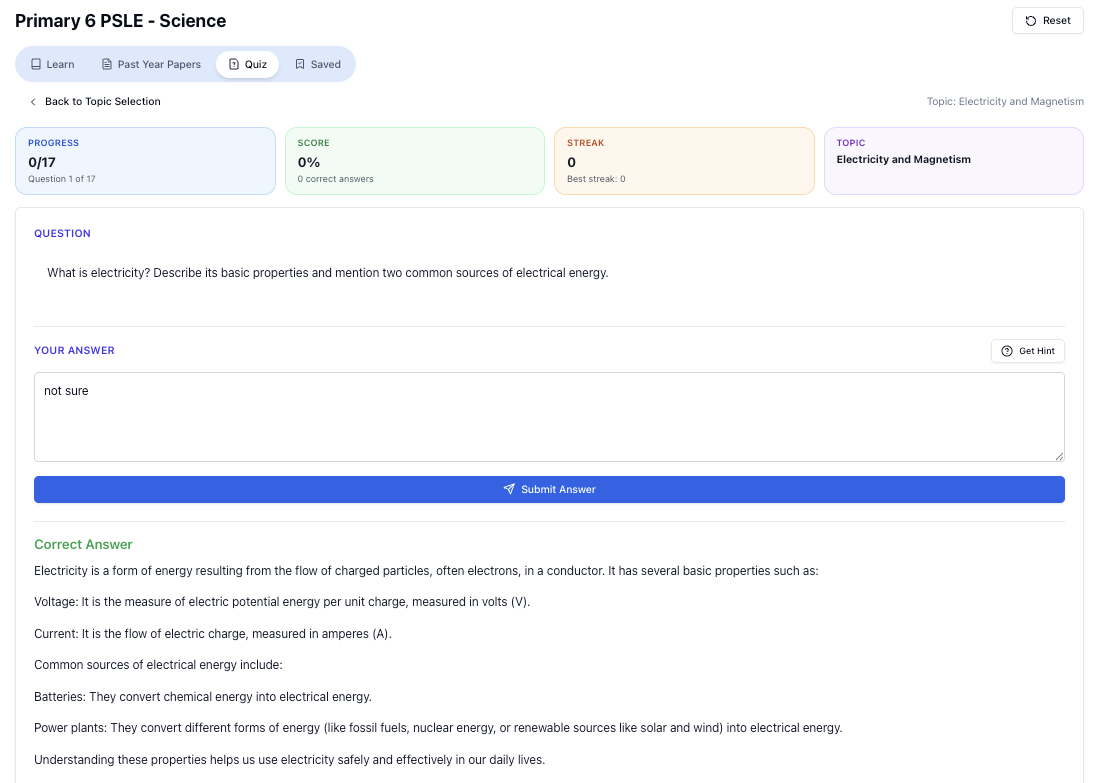
“Practice PSLE Science questions and get clear, step-by-step answers instantly.”
👉 Try a question now and see how fast you can improve.
Free on Tutorly.sg
Practise Life cycles with step-by-step help — free to start
On Tutorly.sg/app you can practise unlimited Singapore syllabus questions, get instant explanations when you are stuck, and use past-year papers — no sign-up needed to start.
- ✓ PSLE, O Level, A Level, and more
- ✓ Step-by-step working when you are stuck
- ✓ Works on phone and laptop