

Free on Tutorly.sg
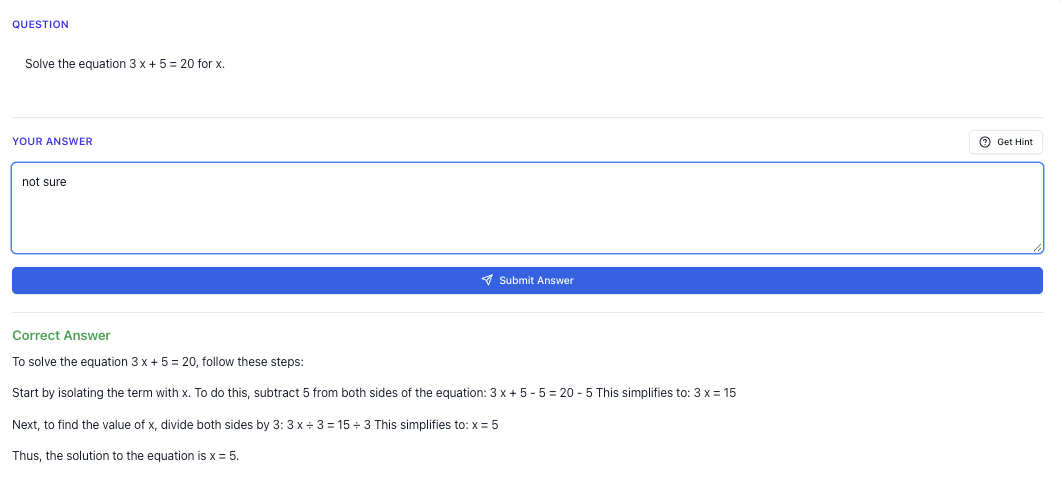
Practise Diversity of living things with step-by-step help — free to start
On Tutorly.sg/app you can practise unlimited Singapore syllabus questions, get instant explanations when you are stuck, and use past-year papers — no sign-up needed to start.
- ✓ PSLE, O Level, A Level, and more
- ✓ Step-by-step working when you are stuck
- ✓ Works on phone and laptop
Quick answer
When studying the Diversity of Living Things for Primary Science, focus on understanding different groups of organisms and their characteristics. Avoid memorising blindly; instead, use stories and pictures to remember better. After reading this, you'll feel more confident about what to expect in your exams.
“Stuck on a question? See simple explanations that help you understand fast.”
👉 Give it a try and turn confusion into clarity in minutes.
What you need to know
Diversity of Living Things is about understanding the different kinds of plants and animals, how they are grouped, and their characteristics. It's like sorting your toys into categories: soft toys, cars, and building blocks. In science, we do this with living things to understand them better.
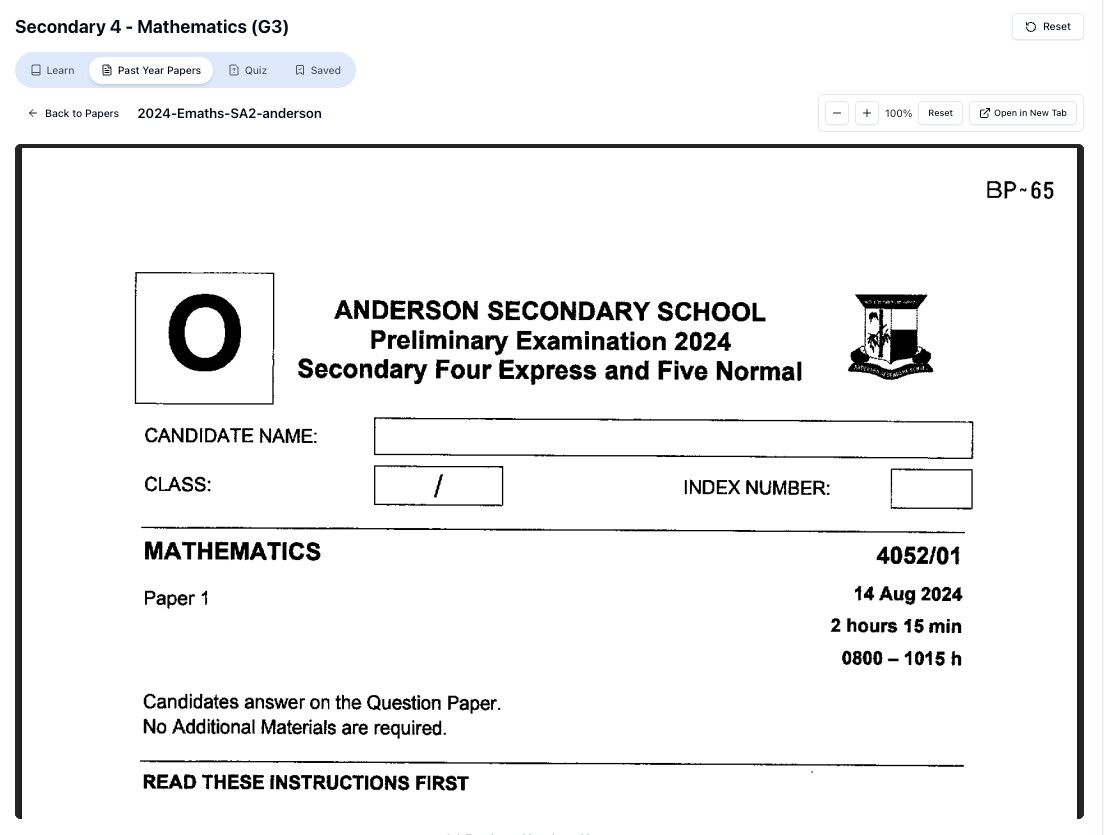
“Access more than 1000+ past year papers to practice”
👉 Start a paper today and test yourself like it’s the real exam.
Understanding Diversity of Living Things
Let's break down this topic into simple parts. This topic becomes easier when broken into smaller steps, and a simple trick I teach my students is to use stories or images to remember different groups.
Grouping Living Things
-
Plants: Think about the trees and flowers you see around your HDB. They are divided into flowering and non-flowering plants.
-
Animals: Remember your last visit to the zoo? Animals are classified into groups like mammals, birds, reptiles, amphibians, and fish.
Characteristics of Living Things
All living things share some common characteristics. They grow, need energy, reproduce, and respond to their environment. Imagine a plant growing towards sunlight or a cat reacting to a loud noise.
Common mistakes students make
Mistake 1: Confusing Characteristics
Many students mix up characteristics of different groups. For example, thinking all animals lay eggs. Remember, mammals like humans and dogs give birth to live young.
Mistake 2: Memorising without Understanding
Parents are often surprised that children forget what they've memorised if they don't understand it. Use stories or draw pictures to link information in your mind.
Mistake 3: Not Practicing Enough
Short daily revision works better than long study sessions. Just 10 minutes a day can make a big difference.
Exam tip
Make sure you read the questions carefully and underline key words. This helps you focus on what the question is asking. Presentation matters too — keep your answers neat and organized.
Worked examples
Question 1
Question: What are the characteristics of mammals?
Solution
Step 1: Identify key characteristics of mammals.
Why: This helps you know what features are common in mammals.
“Doing Secondary Science? Pick a topic and practise like it’s a real exam — with clear answers right after.”
👉 Try Tutorly now and start a Science topic in seconds.

Step 2: List examples of mammals like humans, dogs, and cats.
Why: Examples make it easier to remember characteristics.
Quick check
- Which of these is a characteristic of mammals: a) Lays eggs b) Has feathers c) Gives birth to live young
- Name one non-flowering plant.
- What do all living things need to survive?
Quick summary
- Living things are grouped into plants and animals.
- Plants can be flowering or non-flowering.
- Animals are divided into mammals, birds, reptiles, amphibians, and fish.
- Understand characteristics, don't just memorise.
- Use stories or images to remember better.
- Short daily practice is better than long sessions.
- Underline key words in exam questions.
FAQ
Q 1: What's the best way to remember the characteristics of living things?
A: Use stories or images to make connections in your mind. This helps you remember better than memorising alone.
Q 2: How often should I revise this topic?
A: Short daily revisions are more effective than cramming. Spend about 10 minutes a day reviewing.
Q 3: What should I do if I mix up characteristics in the exam?
A: Slow down and think of examples. Relate them to real-life animals or plants you know.
Q 4: How can I improve my exam presentation?
A: Keep your answers neat and underline key words in questions to focus your answers.
Free on Tutorly.sg
Practise Diversity of living things with step-by-step help — free to start
On Tutorly.sg/app you can practise unlimited Singapore syllabus questions, get instant explanations when you are stuck, and use past-year papers — no sign-up needed to start.
- ✓ PSLE, O Level, A Level, and more
- ✓ Step-by-step working when you are stuck
- ✓ Works on phone and laptop
Free practice
Try it yourself
Practice similar questions with step-by-step help on Tutorly
- ✓ Unlimited similar questions
- ✓ Step-by-step help when you are stuck
- ✓ No sign-up needed to start
Related Topics You Should Learn Next
- Primary Science Diversity of Living Things Complete Guide
- Best Primary Science Tuition in Singapore: A Practical Guide for Busy Parents and Students
- How To Find A Good Primary Science Tutor In Singapore (And A Smarter Alternative)
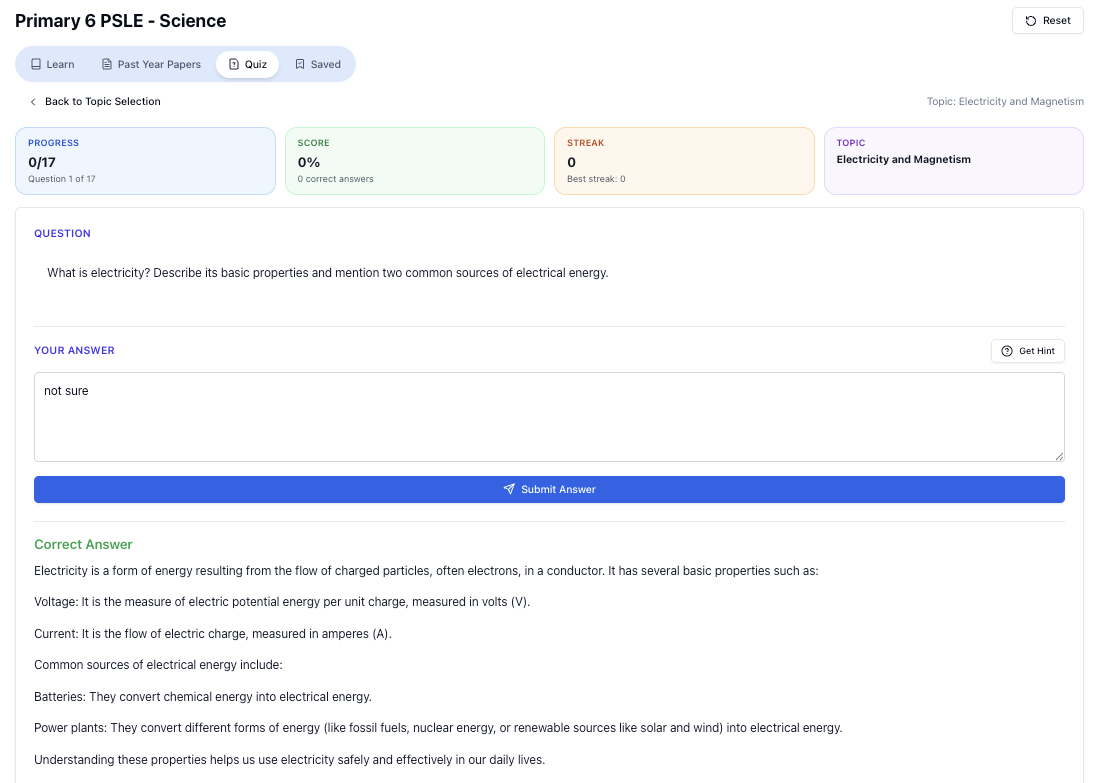
“Practice PSLE Science questions and get clear, step-by-step answers instantly.”
👉 Try a question now and see how fast you can improve.
Free on Tutorly.sg
Practise Diversity of living things with step-by-step help — free to start
On Tutorly.sg/app you can practise unlimited Singapore syllabus questions, get instant explanations when you are stuck, and use past-year papers — no sign-up needed to start.
- ✓ PSLE, O Level, A Level, and more
- ✓ Step-by-step working when you are stuck
- ✓ Works on phone and laptop