

Free on Tutorly.sg
Practise Oral examination with step-by-step help — free to start
On Tutorly.sg/app you can practise unlimited Singapore syllabus questions, get instant explanations when you are stuck, and use past-year papers — no sign-up needed to start.
- ✓ PSLE, O Level, A Level, and more
- ✓ Step-by-step working when you are stuck
- ✓ Works on phone and laptop
Quick answer
Stressed about the PSLE Oral exam and not sure where to start your revision? Focus on speaking naturally and clearly. Avoid memorised phrases that sound awkward. After reading this, you'll know how to tackle the exam with confidence.
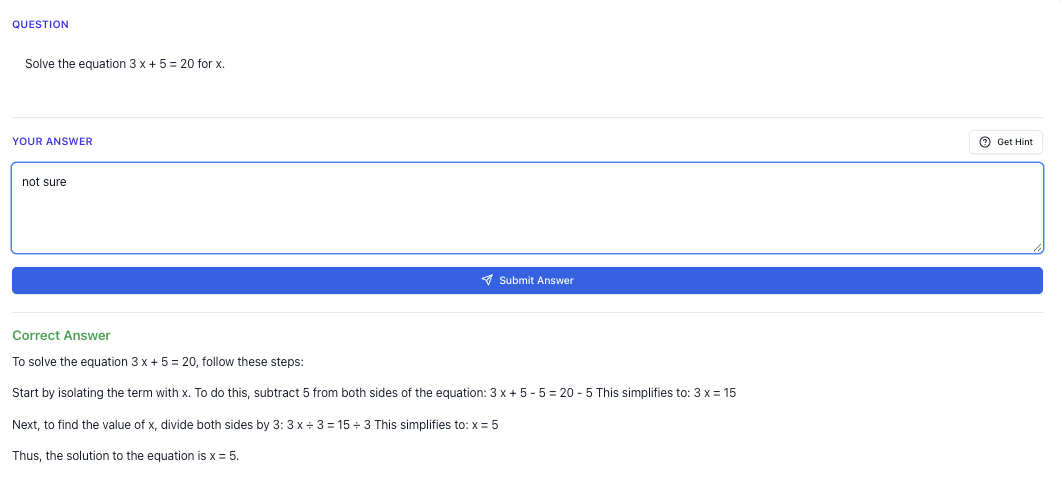
“Stuck on a question? See simple explanations that help you understand fast.”
👉 Give it a try and turn confusion into clarity in minutes.
What you need to know
The PSLE Oral exam tests your ability to speak English naturally and clearly. It includes reading aloud and a picture discussion. Your aim is to speak in a way that sounds natural and easy to understand.
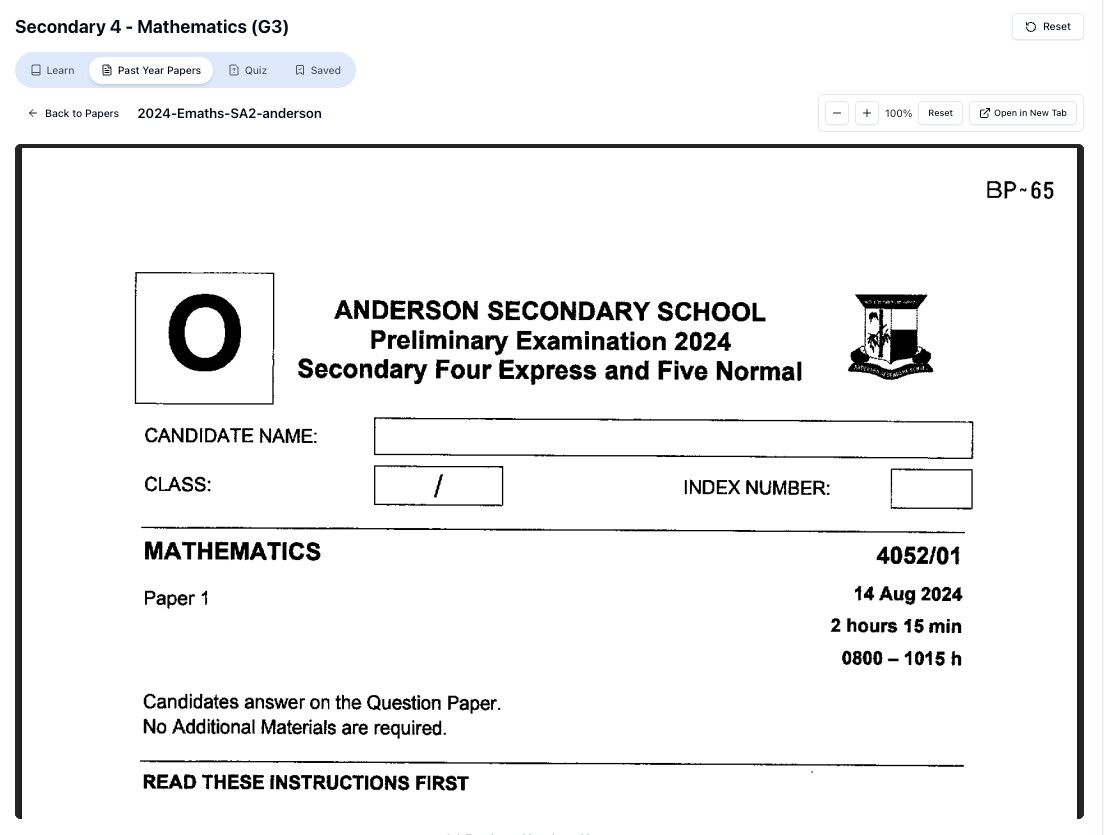
“Access more than 1000+ past year papers to practice”
👉 Start a paper today and test yourself like it’s the real exam.
Common Mistakes and How to Fix Them
Mistake 1: Memorising Big Words You Can't Use
Many students try to impress with big words but end up using them incorrectly. This can make your speech sound unnatural.
Fix: Use simple words you know well. It's better to be clear than complicated.
Example:
- Before: "The juvenile is a diligent learner."
- After: "The young boy is a hardworking student."
Why: Native speakers usually phrase it like this. Simple and clear.
Mistake 2: Direct Translation from Mother Tongue
Some students translate phrases directly from their mother tongue, which can make sentences sound awkward in English.
Fix: Think in English, not your mother tongue. Practice speaking English at home.
Example:
- Before: "He is eating snake."
- After: "He is skiving."
Why: This sentence sounds awkward because it's a direct translation. A more natural way to say this is “He is skiving.”
Revision checklist — specific slips + how to fix (Singapore papers)
- Use simple language: Avoid complex words unless you're sure of their meaning.
- Practice picture discussion: Describe what you see in simple terms.
- Avoid direct translations: Think and speak in English.
- Speak clearly: Pronounce words properly and at a steady pace.
- Stay calm: Breathe first if you're nervous.
Exam tip — marks, presentation, time, question types
- Read Aloud: Focus on pronunciation and expression. Marks are lost for mumbling.
- Picture Discussion: Describe clearly. Use simple sentences to express your thoughts.
- Time Management: Don't rush. Take a breath between sentences.
- Stay on Topic: Answer questions directly. Don’t wander off-topic.
Worked Example 1
Question
Describe what you see in this picture of a busy market.
Solution
Step 1: Start with the main activity. "In the picture, people are shopping at a crowded market."
Why: This gives a clear overview of the scene.
“Doing Secondary Science? Pick a topic and practise like it’s a real exam — with clear answers right after.”
👉 Try Tutorly now and start a Science topic in seconds.

Step 2: Describe specific details. "I see a man selling fruits, and a woman is bargaining with him."
Why: Adding details makes your description more vivid.
Step 3: Add a personal touch. "I think the market looks lively and exciting."
Why: Personal opinions make your discussion more engaging.
Quick summary
- Don't use big words you can't handle.
- Avoid direct translations from your mother tongue.
- Speak clearly and naturally.
- Practice picture description with simple sentences.
- Manage your time well and stay calm.
FAQ
Q: How do I improve my pronunciation?
A: Listen to native speakers and mimic their pronunciation. Practice speaking out loud daily.
Q: What should I focus on for picture discussion?
A: Focus on describing the main activities and specific details you notice.
Q: How can I sound more natural when speaking?
A: Use simple words and practice speaking in English as much as possible.
Q: What if I forget what to say during the exam?
A: Take a deep breath, pause, and continue speaking. It's okay to have small pauses.
Free on Tutorly.sg
Practise Oral examination with step-by-step help — free to start
On Tutorly.sg/app you can practise unlimited Singapore syllabus questions, get instant explanations when you are stuck, and use past-year papers — no sign-up needed to start.
- ✓ PSLE, O Level, A Level, and more
- ✓ Step-by-step working when you are stuck
- ✓ Works on phone and laptop
Free practice
Try it yourself
Practice similar PSLE Oral questions and get step-by-step help on Tutorly
- ✓ Unlimited similar questions
- ✓ Step-by-step help when you are stuck
- ✓ No sign-up needed to start
Related Topics You Should Learn Next
- PSLE English Language Oral examination complete guide Singapore
- PSLE Oral examination common mistakes Singapore English Language
- PSLE English Oral Examination: Scoring High with Confidence
- PSLE English Oral Examination: Practice Questions with Answers
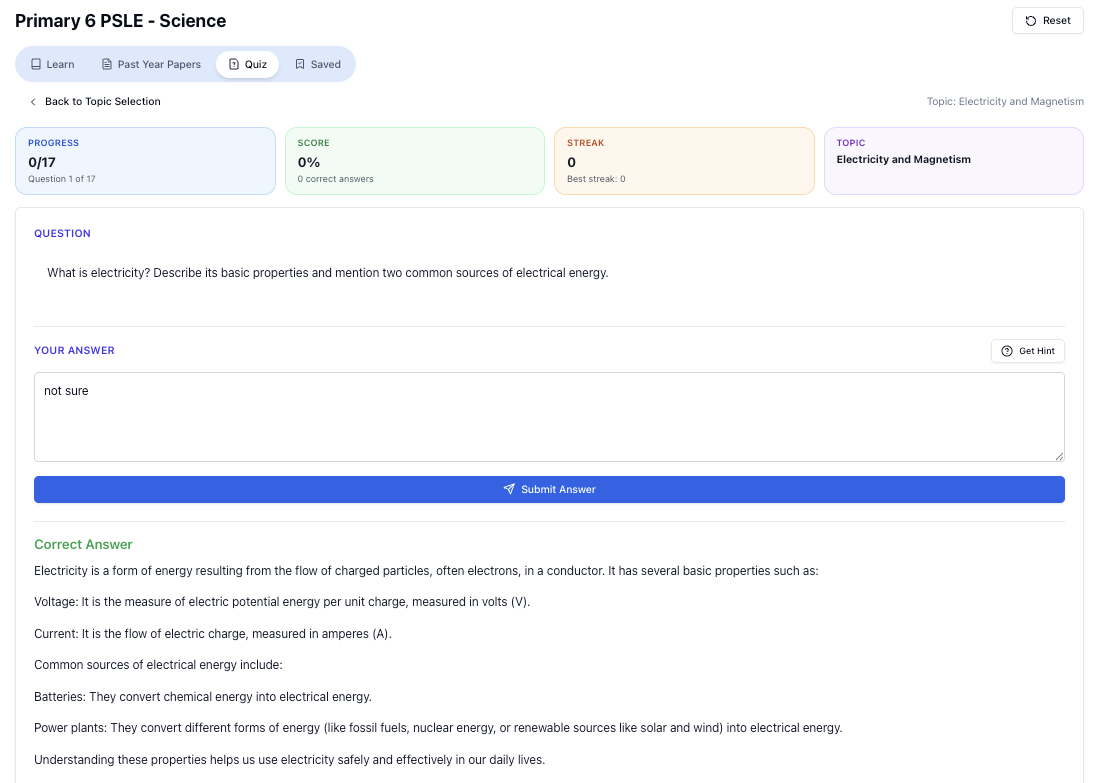
“Practice PSLE Science questions and get clear, step-by-step answers instantly.”
👉 Try a question now and see how fast you can improve.
Free on Tutorly.sg
Practise Oral examination with step-by-step help — free to start
On Tutorly.sg/app you can practise unlimited Singapore syllabus questions, get instant explanations when you are stuck, and use past-year papers — no sign-up needed to start.
- ✓ PSLE, O Level, A Level, and more
- ✓ Step-by-step working when you are stuck
- ✓ Works on phone and laptop