

Free on Tutorly.sg
Practise Oral examination with step-by-step help — free to start
On Tutorly.sg/app you can practise unlimited Singapore syllabus questions, get instant explanations when you are stuck, and use past-year papers — no sign-up needed to start.
- ✓ PSLE, O Level, A Level, and more
- ✓ Step-by-step working when you are stuck
- ✓ Works on phone and laptop
Quick answer
Feeling your heart sink during the PSLE Oral exam when time is running out? You’re not alone. Many students lose marks simply because they panic and rush. After reading this, you'll know how to pace yourself, present clearly, and handle tricky questions with ease.
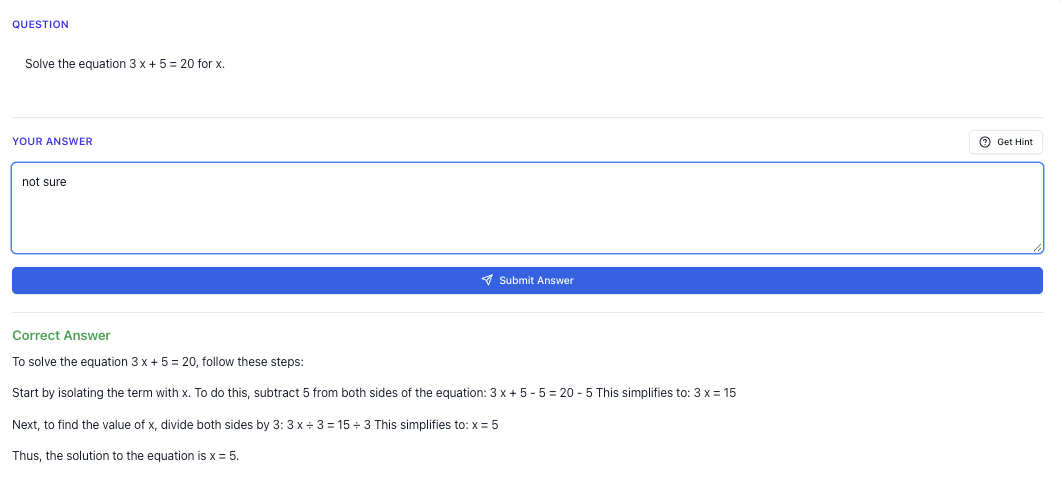
“Stuck on a question? See simple explanations that help you understand fast.”
👉 Give it a try and turn confusion into clarity in minutes.
What you need to know
The PSLE Oral examination tests your ability to speak clearly and confidently. It includes reading aloud and a conversation segment. Your goal is to communicate ideas naturally and fluently.
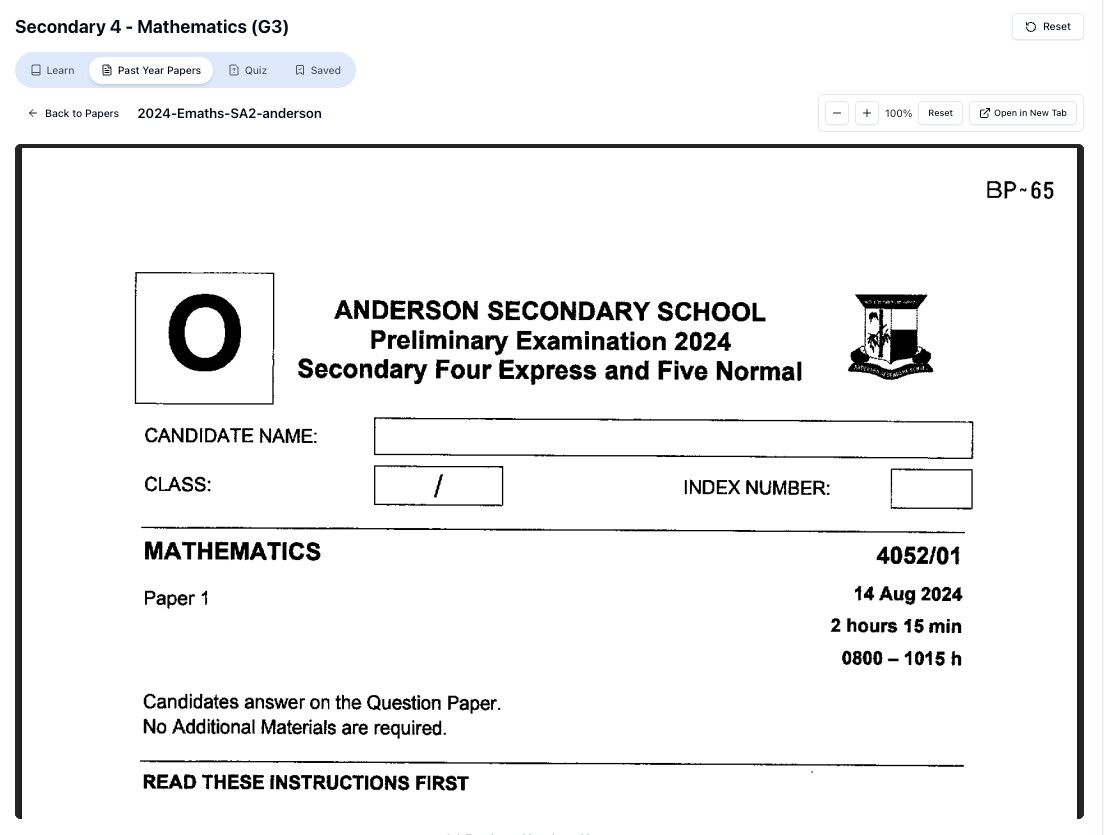
“Access more than 1000+ past year papers to practice”
👉 Start a paper today and test yourself like it’s the real exam.
Common mistakes students make
Mistake 1: Speaking too fast
When you're nervous, it's natural to speak faster. But this can make you hard to understand.
Fix: Practice speaking slowly. Imagine you're explaining something to a younger sibling. This helps you become more aware of your pace.
Mistake 2: Using memorised phrases
Students often use advanced vocabulary they've memorised, but it can sound unnatural.
Fix: Use words you’re comfortable with. Native speakers usually phrase it like this: keep it simple and clear.
Mistake 3: Translating directly from mother tongue
This sentence sounds awkward because it doesn't flow in English.
Fix: Think in English. Practice with friends or family who speak English. A more natural way to say this is to immerse yourself in English media.
Exam tip — marks, presentation, time, question types
How to manage your time
Step 1: Allocate time for each section of the exam. If reading aloud takes 2 minutes, plan accordingly.
Why: This ensures you don’t rush and can maintain a steady pace throughout.
Step 2: Practice with a timer. Record yourself to identify where you tend to speed up.
Why: Familiarity with the timing helps reduce anxiety during the actual exam.
Quick check
- What are ways to slow down your speech naturally?
- Why is it important to avoid memorised vocabulary?
- How can you practice thinking in English?
Answers:
- Practice speaking slowly, use pauses, and breathe naturally.
- It can sound unnatural and may confuse listeners.
- Engage with English media and conversations.
Worked examples
Question: Reading Aloud
Step 1: Start by reading the passage silently to understand the content.
Why: Knowing the context helps with accurate intonation and emphasis.
Step 2: Read aloud, focusing on clarity and expression.
Why: Clear pronunciation and varied tone make your reading engaging.
Solution
Step 1: Identify difficult words in the passage and practice them.
Why: Being familiar with challenging words boosts confidence.
“Doing Secondary Science? Pick a topic and practise like it’s a real exam — with clear answers right after.”
👉 Try Tutorly now and start a Science topic in seconds.

Step 2: Use pauses at commas and full stops.
Why: Pauses help with breathing and clarity, making your speech more natural.
Quick summary
- Practice speaking slowly to avoid rushing.
- Use simple, comfortable vocabulary.
- Think in English to sound more natural.
- Allocate time wisely for each exam section.
- Familiarize yourself with difficult words before reading aloud.
FAQ
Q: How can I stop panicking during the exam?
A: Practice regularly under timed conditions to build confidence. Remember to breathe and pace yourself.
Q: What if I make a mistake while speaking?
A: Don’t worry. Correct it calmly and continue. Examiners appreciate your ability to recover.
Q: How do I improve my pronunciation?
A: Listen to native speakers and repeat after them. Use online resources for pronunciation practice.
Q: Is it okay to pause while speaking?
A: Yes, pauses are natural and give you time to think. They also make your speech clearer.
Q: How do I prepare for the conversation segment?
A: Discuss daily topics in English with friends or family. This builds fluency and confidence.
Free on Tutorly.sg
Practise Oral examination with step-by-step help — free to start
On Tutorly.sg/app you can practise unlimited Singapore syllabus questions, get instant explanations when you are stuck, and use past-year papers — no sign-up needed to start.
- ✓ PSLE, O Level, A Level, and more
- ✓ Step-by-step working when you are stuck
- ✓ Works on phone and laptop
Free practice
Try it yourself
Practice similar questions with step-by-step help on Tutorly. Visit to enhance your skills.
- ✓ Unlimited similar questions
- ✓ Step-by-step help when you are stuck
- ✓ No sign-up needed to start
Related Topics You Should Learn Next
- PSLE English Language Oral examination complete guide Singapore
- PSLE Oral examination common mistakes Singapore English Language
- PSLE Oral examination explained simply Singapore English Language
- PSLE English Oral Examination: Step-by-Step Worked Examples
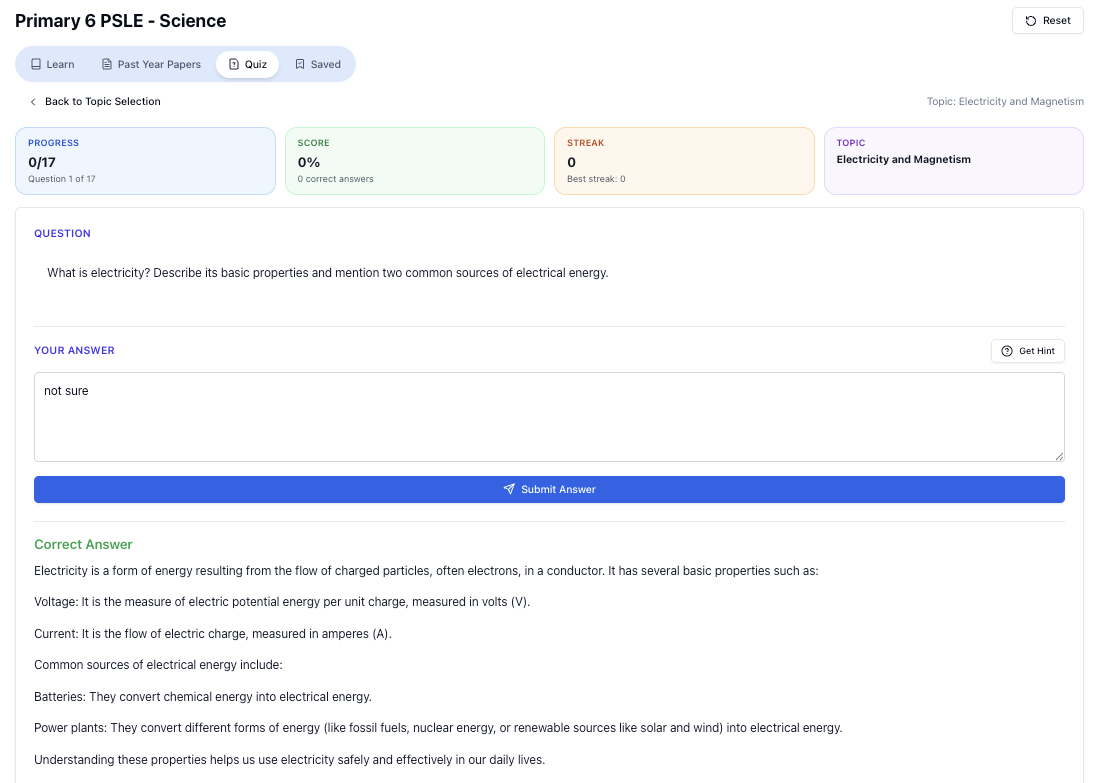
“Practice PSLE Science questions and get clear, step-by-step answers instantly.”
👉 Try a question now and see how fast you can improve.
Free on Tutorly.sg
Practise Oral examination with step-by-step help — free to start
On Tutorly.sg/app you can practise unlimited Singapore syllabus questions, get instant explanations when you are stuck, and use past-year papers — no sign-up needed to start.
- ✓ PSLE, O Level, A Level, and more
- ✓ Step-by-step working when you are stuck
- ✓ Works on phone and laptop