

Free on Tutorly.sg
Practise Composition with step-by-step help — free to start
On Tutorly.sg/app you can practise unlimited Singapore syllabus questions, get instant explanations when you are stuck, and use past-year papers — no sign-up needed to start.
- ✓ PSLE, O Level, A Level, and more
- ✓ Step-by-step working when you are stuck
- ✓ Works on phone and laptop
Quick answer
Have you ever felt your heart sink when you see your composition results? You thought you knew what to write, but you lost marks on things you were sure about. After reading this, you'll know how to avoid five common mistakes in PSLE English compositions, making your writing clearer and your marks higher.
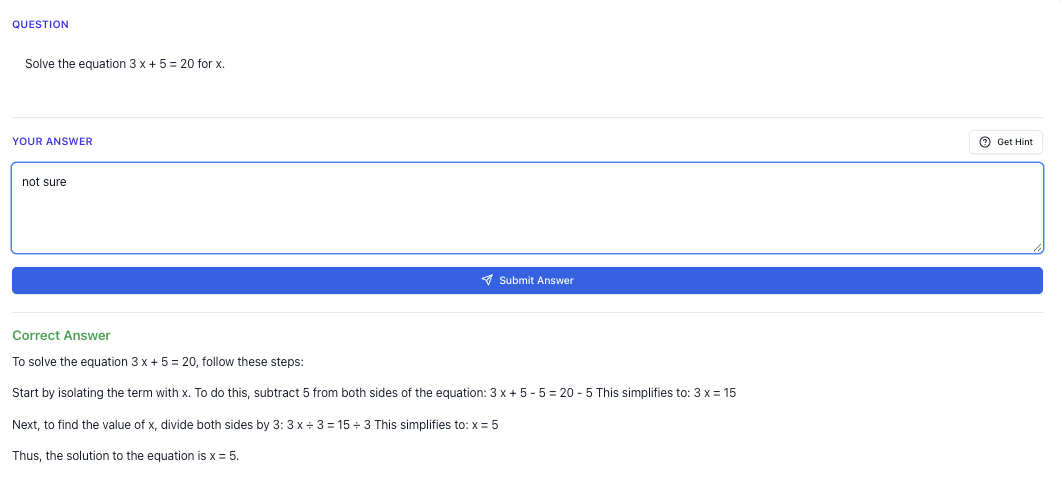
“Stuck on a question? See simple explanations that help you understand fast.”
👉 Give it a try and turn confusion into clarity in minutes.
What you need to know
In PSLE English compositions, students often make simple mistakes that cost them precious marks. These mistakes can be avoided with a bit of practice and a few simple tricks.
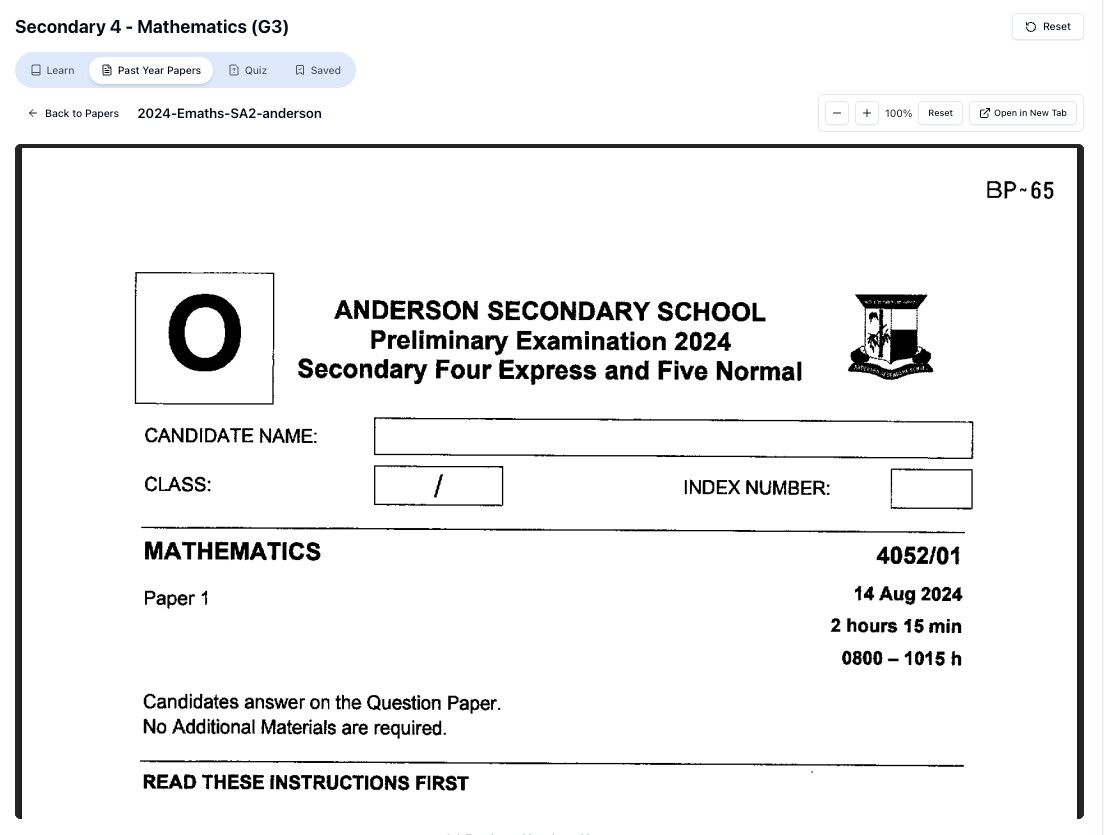
“Access more than 1000+ past year papers to practice”
👉 Start a paper today and test yourself like it’s the real exam.
Common mistakes students make
1. Forgetting the Audience
Many students forget to write for their audience. Your composition should be engaging for the reader, not just a list of events or facts.
How to fix: Imagine you're telling a story to a friend. Use simple words and expressions that make the story interesting.
2. Weak Introduction
A weak introduction can lose the reader's interest right from the start.
How to fix: Start with a hook—something exciting or intriguing. For example, "The moment I saw the lion escape, my heart froze."
3. Overloading with Details
Adding too many details can confuse the reader and make your composition hard to follow.
How to fix: Focus on the main events. Use a few strong details to paint a clear picture, rather than many small ones.
4. Neglecting Paragraph Structure
Students often write in one long block, which makes it difficult to read.
How to fix: Break your writing into paragraphs. Each paragraph should have a clear idea or event.
5. Weak Conclusion
A composition that ends abruptly or without a clear resolution can leave the reader unsatisfied.
How to fix: Sum up your story with a conclusion that reflects back on the main events or lessons learned.
Exam tip
- Marks: Always check if your composition answers the question and stays on topic.
- Presentation: Neat handwriting helps the examiner read your work easily.
- Time: Spend a few minutes planning your structure before jumping into writing.
- Question types: Practice different types of questions to become familiar with various formats.
Worked examples
Question
"Write a composition about a time you helped someone."
Solution
Step 1: Start with a strong introduction.
Why: A good introduction grabs the reader's attention and sets the scene.
Step 2: Describe the main event clearly.
Why: The reader needs to understand what happened and why it was important.
Step 3: Use paragraphs to organize your thoughts.
“Doing Secondary Science? Pick a topic and practise like it’s a real exam — with clear answers right after.”
👉 Try Tutorly now and start a Science topic in seconds.

Why: Clear paragraphs make your story easy to follow and understand.
Step 4: End with a satisfying conclusion.
Why: A strong ending leaves a good impression and wraps up your story nicely.
Quick summary
- Imagine you're telling a story to a friend.
- Start with a hook to grab attention.
- Use strong, clear details—not too many.
- Break your writing into paragraphs.
- End with a conclusion that reflects on the story.
FAQ
Q 1: How can I make my introduction more interesting?
Start with a hook—something that surprises or intrigues the reader.
Q 2: How many paragraphs should I have?
Aim for at least four: introduction, two or three body paragraphs, and a conclusion.
Q 3: What should I do if I'm stuck on a topic?
Take a moment to brainstorm ideas before you start writing.
Q 4: How can I improve my conclusion?
Reflect back on the main events or lessons and ensure it ties everything together.
Free on Tutorly.sg
Practise Composition with step-by-step help — free to start
On Tutorly.sg/app you can practise unlimited Singapore syllabus questions, get instant explanations when you are stuck, and use past-year papers — no sign-up needed to start.
- ✓ PSLE, O Level, A Level, and more
- ✓ Step-by-step working when you are stuck
- ✓ Works on phone and laptop
Free practice
Try it yourself
Practise similar questions with step-by-step help on Tutorly
- ✓ Unlimited similar questions
- ✓ Step-by-step help when you are stuck
- ✓ No sign-up needed to start
Related Topics You Should Learn Next
- PSLE English Composition: Simple Ways to Nail Your Story
- PSLE English AI Tutor (Singapore): Composition + Compre Steps That Actually Work
- PSLE English Composition Help in Singapore: A Practical Guide to Scoring Higher
- PSLE English Composition: How to Stay Calm and Score
By focusing on these common mistakes and following these simple steps, you'll be able to write compositions that are clear, engaging, and score higher marks. Remember, practice makes perfect, and it's okay to make mistakes as long as you learn from them. Happy writing!
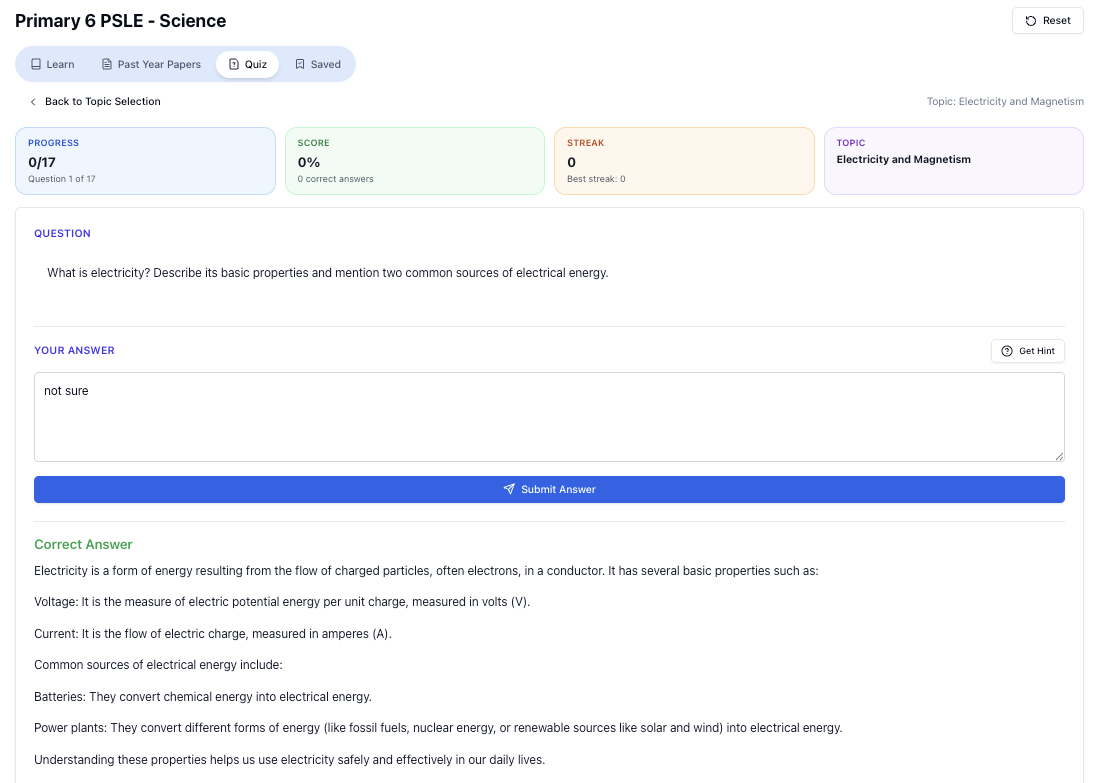
“Practice PSLE Science questions and get clear, step-by-step answers instantly.”
👉 Try a question now and see how fast you can improve.
Free on Tutorly.sg
Practise Composition with step-by-step help — free to start
On Tutorly.sg/app you can practise unlimited Singapore syllabus questions, get instant explanations when you are stuck, and use past-year papers — no sign-up needed to start.
- ✓ PSLE, O Level, A Level, and more
- ✓ Step-by-step working when you are stuck
- ✓ Works on phone and laptop