

Free on Tutorly.sg
Practise Fractions with step-by-step help — free to start
On Tutorly.sg/app you can practise unlimited Singapore syllabus questions, get instant explanations when you are stuck, and use past-year papers — no sign-up needed to start.
- ✓ PSLE, O Level, A Level, and more
- ✓ Step-by-step working when you are stuck
- ✓ Works on phone and laptop
Quick answer
Fractions can feel tricky, especially when you're staring at a PSLE question and your mind goes blank. But don't worry! After reading this, you'll know which mistakes to avoid and have a few simple tricks up your sleeve to tackle any fraction problem with confidence.
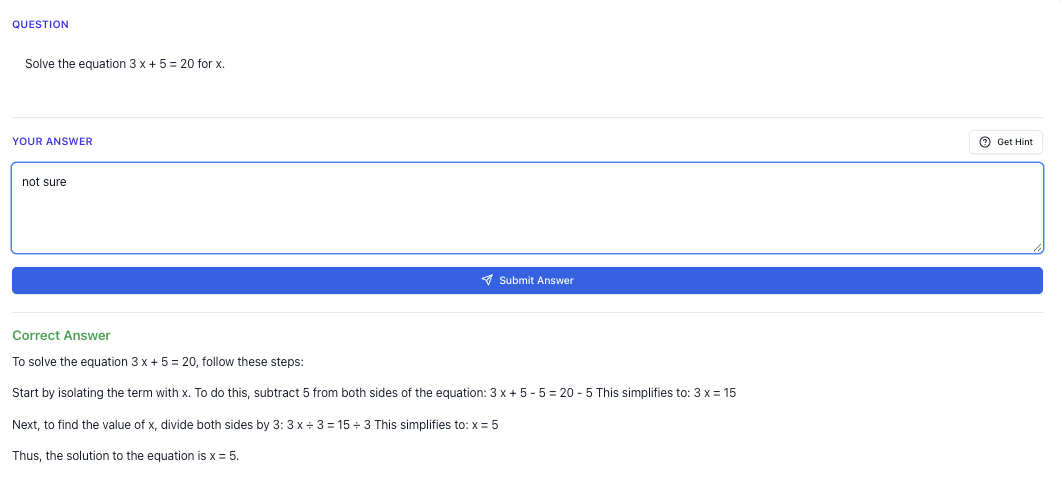
“Stuck on a question? See simple explanations that help you understand fast.”
👉 Give it a try and turn confusion into clarity in minutes.
What you need to know
Fractions are a way to show parts of a whole. Imagine slicing a pizza into equal pieces. Each piece is a fraction of the pizza. The top number (numerator) tells you how many pieces you have, and the bottom number (denominator) tells you how many equal pieces the pizza is cut into.
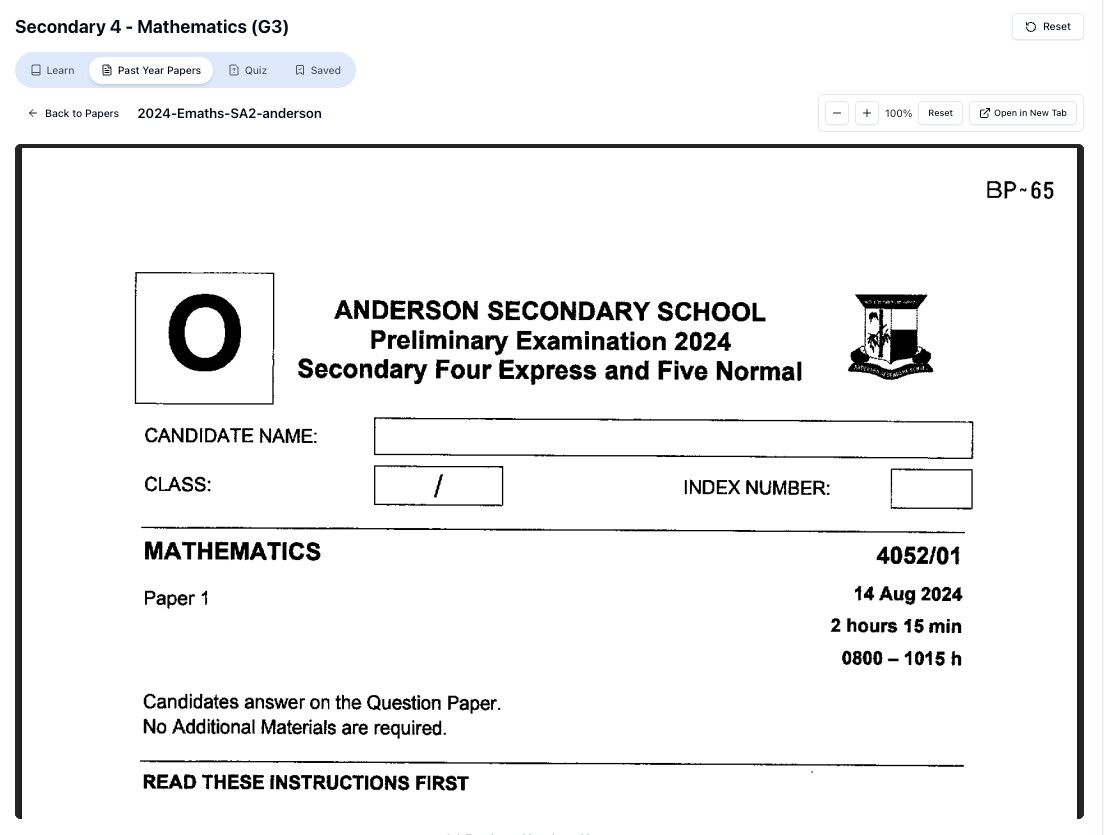
“Access more than 1000+ past year papers to practice”
👉 Start a paper today and test yourself like it’s the real exam.
Common Fraction Mistakes
Most students trip up on fractions because they rush through the steps or don't fully understand what the numbers mean. Here are three common traps and how to sidestep them:
-
Adding and Subtracting with Different Denominators
- Always find a common denominator first.
- Why: Without the same denominator, you're not comparing the same-sized pieces.
-
Multiplying Fractions
- Multiply the numerators, then the denominators.
- Why: This gives you the total number of smaller pieces.
-
Dividing Fractions
- Flip the second fraction and multiply.
- Why: Flipping turns division into multiplication, which is easier to handle.
Quick check
Try these to see if you've got it:
- Add and .
- Multiply by .
- Divide by .
Answers:
Revision checklist
- Check denominators: Always make them the same before adding or subtracting.
- Simplify: After multiplying or dividing, simplify your fraction.
- Label your steps: In exams, writing each step helps you avoid careless errors.
Exam tip
In exams, neatness counts. Write fractions clearly, and always double-check your answers. If you rush, you might miss a step and lose marks. Remember, questions often have clues on what to do next.
Question
Sam has of a chocolate bar and gives to his friend. How much does he have left?
Solution
Step 1: Find a common denominator for and .
Why: You need the same-sized pieces to subtract them.
“Doing Secondary Science? Pick a topic and practise like it’s a real exam — with clear answers right after.”
👉 Try Tutorly now and start a Science topic in seconds.

Step 2: Convert to and to .
Why: Now you can subtract since they have the same denominator.
Step 3: Subtract .
Why: This shows the chocolate Sam has left.
Quick summary
- Always find a common denominator for addition and subtraction.
- Multiply numerators and denominators separately.
- Flip and multiply for division.
- Simplify answers to the smallest terms.
- Write fractions clearly in exams to avoid mistakes.
FAQ
Q: Why do I need a common denominator?
A: Without it, you're comparing different-sized pieces, which doesn't work for addition or subtraction.
Q: Can I multiply directly without simplifying first?
A: Yes, but simplifying at the end is easier for most students.
Q: Why flip the second fraction when dividing?
A: Flipping turns division into multiplication, which is simpler to solve.
Q: How can I practice more effectively?
A: Short, daily revision is key. Try a few problems each day instead of cramming.
Free on Tutorly.sg
Practise Fractions with step-by-step help — free to start
On Tutorly.sg/app you can practise unlimited Singapore syllabus questions, get instant explanations when you are stuck, and use past-year papers — no sign-up needed to start.
- ✓ PSLE, O Level, A Level, and more
- ✓ Step-by-step working when you are stuck
- ✓ Works on phone and laptop
Free practice
Try it yourself
Test your fraction skills with step-by-step help on Tutorly
- ✓ Unlimited similar questions
- ✓ Step-by-step help when you are stuck
- ✓ No sign-up needed to start
Related Topics You Should Learn Next
- Primary Mathematics Fractions: Your Complete Guide to Avoiding Common Mistakes
- Primary Mathematics: Fractions Explained Simply for Singapore Students
- Primary Fractions: Avoid These 5 Common Mistakes in Singapore Exams
- Primary Mathematics: Scoring High in Fractions Without Running Out of Time
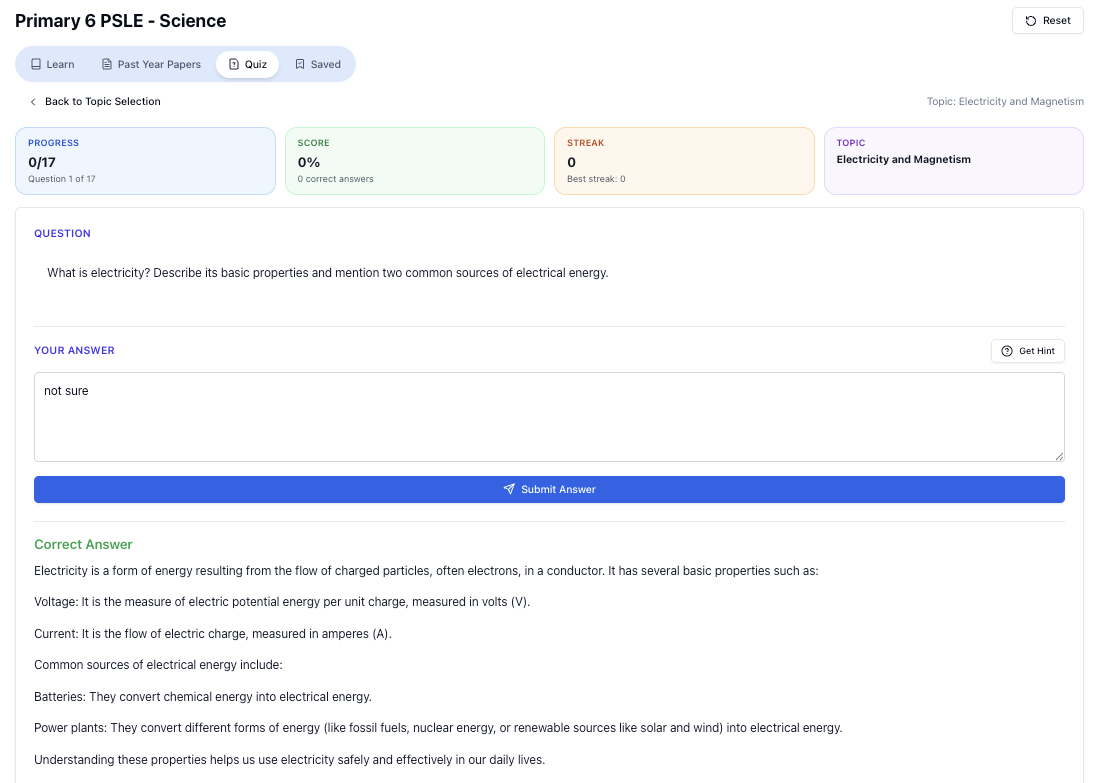
“Practice PSLE Science questions and get clear, step-by-step answers instantly.”
👉 Try a question now and see how fast you can improve.
Free on Tutorly.sg
Practise Fractions with step-by-step help — free to start
On Tutorly.sg/app you can practise unlimited Singapore syllabus questions, get instant explanations when you are stuck, and use past-year papers — no sign-up needed to start.
- ✓ PSLE, O Level, A Level, and more
- ✓ Step-by-step working when you are stuck
- ✓ Works on phone and laptop