

Free on Tutorly.sg
Practise Fractions with step-by-step help — free to start
On Tutorly.sg/app you can practise unlimited Singapore syllabus questions, get instant explanations when you are stuck, and use past-year papers — no sign-up needed to start.
- ✓ PSLE, O Level, A Level, and more
- ✓ Step-by-step working when you are stuck
- ✓ Works on phone and laptop
Quick answer
Fractions can be a tough nut to crack, especially when they appear in exams and your mind goes blank. But once you understand the basics, solving fraction problems becomes a lot easier. Let’s break it down so you can gain confidence and stop losing marks needlessly.
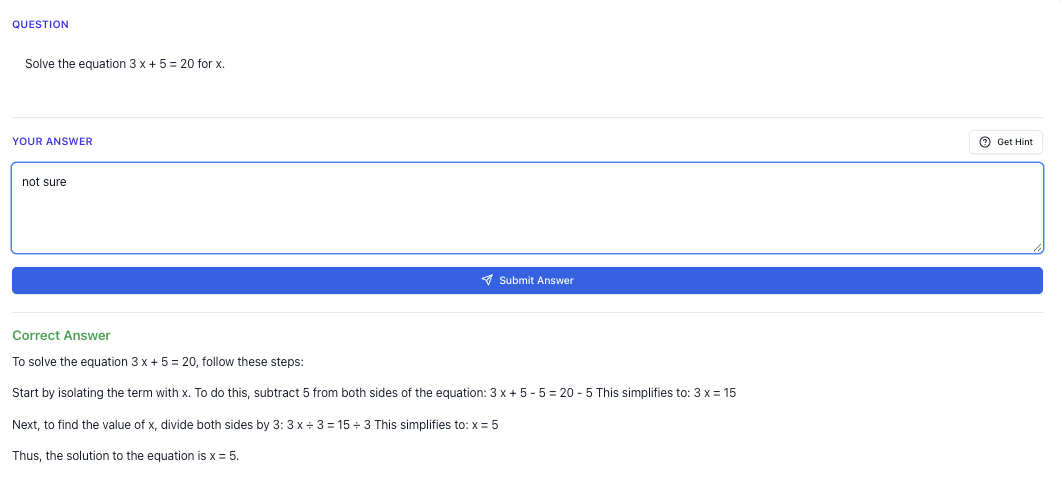
“Stuck on a question? See simple explanations that help you understand fast.”
👉 Give it a try and turn confusion into clarity in minutes.
What you need to know
A fraction is a way to show a part of a whole. Imagine a pizza: if you cut it into 4 pieces and eat 1, you've eaten of the pizza. The top number (numerator) tells you how many parts you have. The bottom number (denominator) shows how many equal parts the whole is divided into.
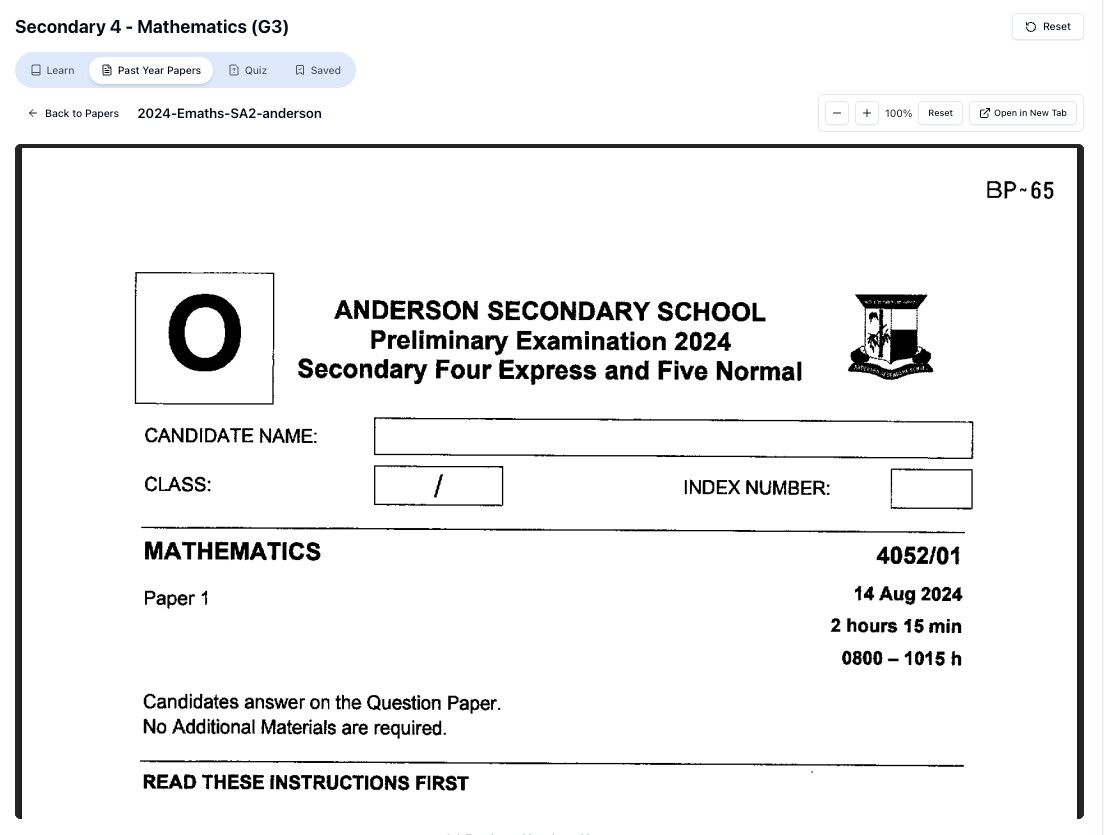
“Access more than 1000+ past year papers to practice”
👉 Start a paper today and test yourself like it’s the real exam.
Making sense of fractions
Visualising fractions
Many students find fractions tricky because they can’t see what’s happening. Picture this: you have a chocolate bar. You share it with 3 friends, cutting it into 4 equal parts. Each part is of the whole bar. Visual aids like this help you see the parts and whole clearly.
Breaking it down
This topic becomes easier when broken into smaller steps. Start by understanding the numerator and denominator. Remember, the numerator is the 'part', and the denominator is the 'whole'. Always think of fractions as dividing a whole into equal parts.
Quick check
- What is of a cake?
- If you have of a pizza, how many pieces do you have if the pizza is cut into 5 equal parts?
Common mistakes students make
- Confusing the numerator and denominator: Remember, the numerator is the top number. It tells you how many parts you have. The denominator is the bottom number and shows how many parts make a whole.
- Adding fractions without finding a common denominator: You can only add fractions if they have the same denominator. If not, you need to find a common denominator first.
- Not simplifying fractions: After solving, always check if you can simplify the fraction. This means making it as simple as possible by dividing both the numerator and the denominator by the same number.
Exam tip
When facing fraction questions in exams, always take a deep breath first. Don't rush; read the question carefully. Look for keywords like "total" or "shared equally". These will guide you on what to do next.
Worked examples
Question 1
Solution
Step 1: Find a common denominator for and .
Why: You need the denominators to be the same to add fractions.
.
Why: Now both fractions have the denominator 4.
.
Why: You can add the top numbers now that the bottom numbers are the same.
“Doing Secondary Science? Pick a topic and practise like it’s a real exam — with clear answers right after.”
👉 Try Tutorly now and start a Science topic in seconds.

Step 4: Simplify if possible. is an improper fraction. Change it to 1 .
Why: Mixed numbers are easier to understand in real-world terms.
Quick summary
- A fraction shows part of a whole.
- Numerator = parts you have; Denominator = total parts.
- Visualise fractions with real objects like pizza or chocolate.
- Always find a common denominator before adding or subtracting.
- Simplify fractions to make them easier to understand.
- Check your work to avoid common mistakes.
FAQ
What is an improper fraction?
An improper fraction is when the numerator (top number) is larger than the denominator (bottom number), like .
Why can't I just add fractions straight away?
You need a common denominator to ensure you're adding parts of the same size.
How do I simplify a fraction?
Divide both the numerator and the denominator by the greatest number that fits into both.
When do I use fractions in real life?
Fractions are used in cooking, dividing things among people, and even in time (like half an hour).
Free on Tutorly.sg
Practise Fractions with step-by-step help — free to start
On Tutorly.sg/app you can practise unlimited Singapore syllabus questions, get instant explanations when you are stuck, and use past-year papers — no sign-up needed to start.
- ✓ PSLE, O Level, A Level, and more
- ✓ Step-by-step working when you are stuck
- ✓ Works on phone and laptop
Free practice
Try it yourself
Practise similar questions and get step-by-step help on Tutorly
- ✓ Unlimited similar questions
- ✓ Step-by-step help when you are stuck
- ✓ No sign-up needed to start
Related Topics You Should Learn Next
- Primary Mathematics Fractions: Your Complete Guide to Avoiding Common Mistakes
- PSLE Mathematics: Fractions and Ratios Complete Guide
- PSLE Math: How to Score in Fractions and Ratios Without Panicking
- PSLE Math Fractions: Avoid These 3 Costly Mistakes
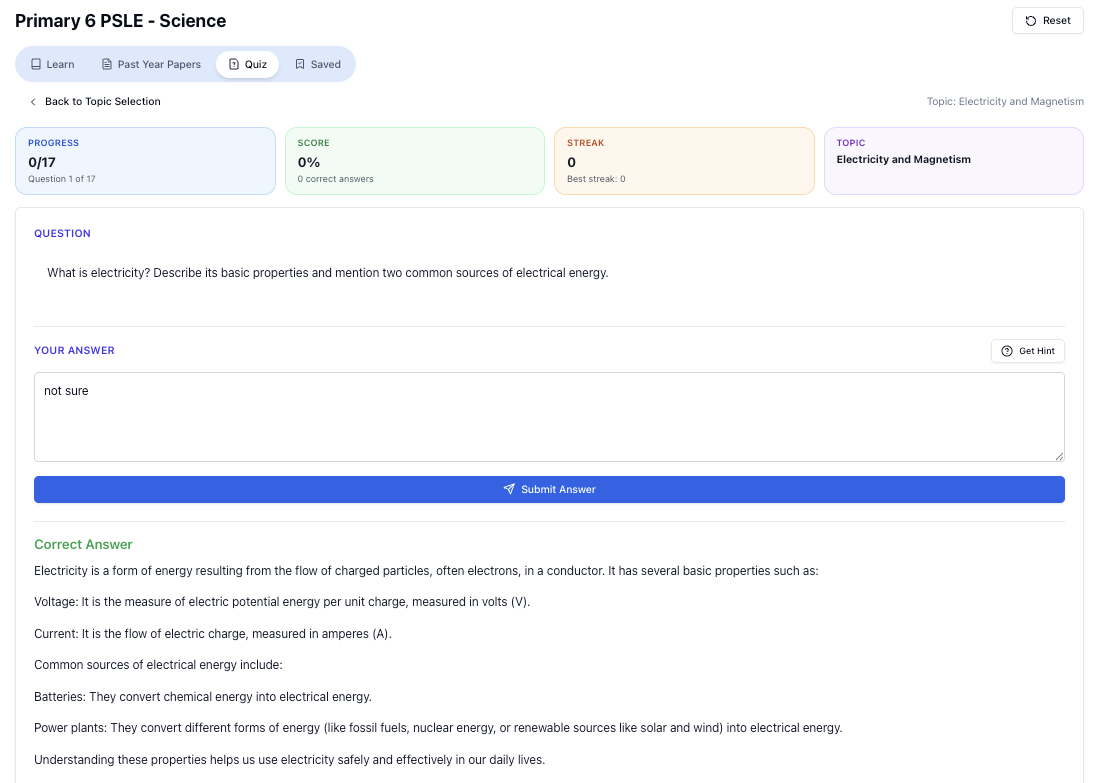
“Practice PSLE Science questions and get clear, step-by-step answers instantly.”
👉 Try a question now and see how fast you can improve.
Free on Tutorly.sg
Practise Fractions with step-by-step help — free to start
On Tutorly.sg/app you can practise unlimited Singapore syllabus questions, get instant explanations when you are stuck, and use past-year papers — no sign-up needed to start.
- ✓ PSLE, O Level, A Level, and more
- ✓ Step-by-step working when you are stuck
- ✓ Works on phone and laptop