

Free on Tutorly.sg
Practise Source-based case study with step-by-step help — free to start
On Tutorly.sg/app you can practise unlimited Singapore syllabus questions, get instant explanations when you are stuck, and use past-year papers — no sign-up needed to start.
- ✓ PSLE, O Level, A Level, and more
- ✓ Step-by-step working when you are stuck
- ✓ Works on phone and laptop
Quick answer
Your heart sinks as you turn the exam paper and see the Source-based Case Study (SBC) questions. You have studied hard, but these questions still seem tricky. Don't worry. After reading this, you'll know exactly how to approach SBC questions, avoid common mistakes, and gain confidence for your exams.
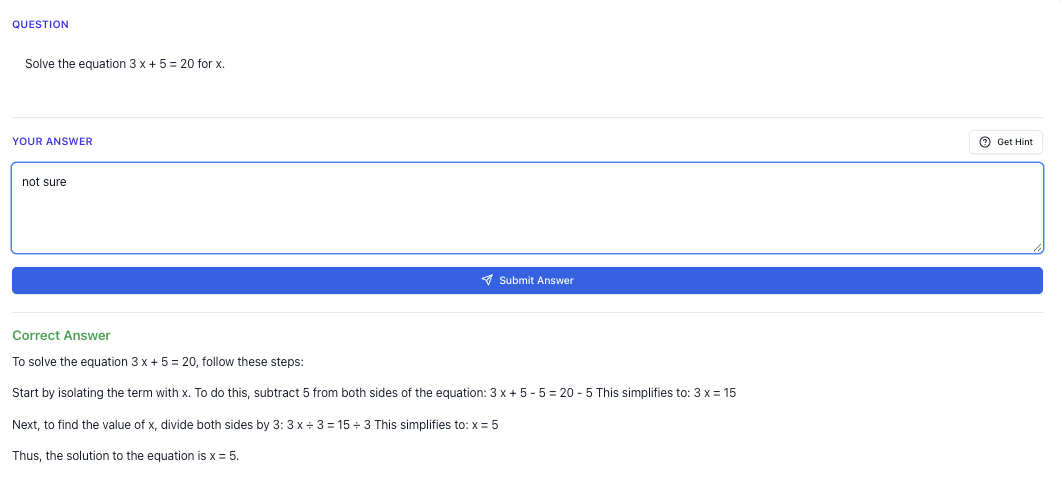
“Stuck on a question? See simple explanations that help you understand fast.”
👉 Give it a try and turn confusion into clarity in minutes.
What you need to know
Source-based Case Studies in O Level Social Studies test your ability to analyze different sources and use them to answer questions. You will need to evaluate sources like texts, cartoons, or graphs. The key is to understand what each source is saying and how it links to the question.
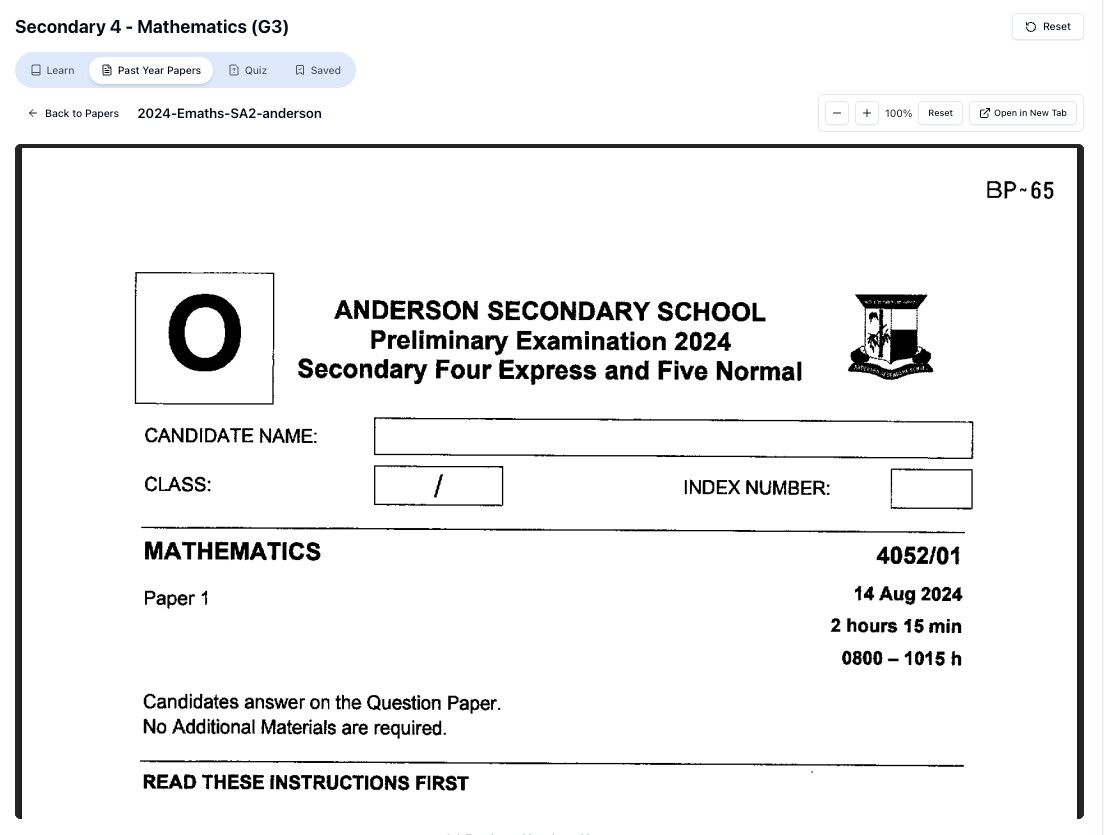
“Access more than 1000+ past year papers to practice”
👉 Start a paper today and test yourself like it’s the real exam.
Tackling the Source-based Case Study
Understanding the Sources
Step 1: Carefully read each source provided.
Why: You need to know what each source is about before you can use it in your answer. Sometimes, students rush and miss important details.
Step 2: Identify the main message or argument of each source.
Why: Knowing the main message helps you understand the purpose of the source, which is crucial for analysis.
Step 3: Note any bias or perspective in the source.
Why: Recognizing bias helps you evaluate the reliability and usefulness of the source in your answer.
Analyzing the Question
Step 1: Break down the question to understand what it is asking.
Why: Questions often have multiple parts. If you miss one, you might lose marks even if your answer is correct.
Step 2: Identify which sources are relevant to the question.
Why: Not all sources will be useful for every question. Picking the right ones makes your answer stronger.
Structuring Your Answer
Step 1: Start with a clear introduction that outlines your main argument.
Why: A good introduction sets the tone for your answer and shows the examiner you understand the question.
Step 2: Use evidence from the sources to support your points.
Why: Source-based questions require you to back up your arguments with evidence. This shows your understanding and analysis skills.
Step 3: Conclude by summarizing your main points and stating your final position.
Why: A conclusion ties your answer together and reinforces your argument to the examiner.
Quick check
- What is the main message of Source A?
- How does Source B support or contradict the main message of Source A?
- Identify any bias in Source C and explain its impact on reliability.
Common mistakes students make
Mistake 1: Misinterpreting the Sources
Many students read too quickly and misunderstand what a source is saying. This can lead to incorrect answers. Always take your time to understand each source fully.
Mistake 2: Ignoring the Question's Keywords
Ignoring keywords like "compare" or "evaluate" can cost you marks. These words tell you exactly what type of answer is needed. Highlight them if you must.
Mistake 3: Failure to Use Evidence
Some students make claims without backing them up with evidence from the sources. Always link your points to specific parts of the sources.
Exam tip — marks, presentation, time, question types
- Marks: Check how many marks each question is worth. Spend more time on higher-mark questions.
- Presentation: Write clearly and structure your answers well. Examiners appreciate neatness and clarity.
- Time: Allocate time wisely. Don't spend too long on one question at the expense of others.
- Question types: Practice different question types like "explain", "compare", and "evaluate" to get comfortable with various approaches.
Question
"Explain how Sources A and B show different perspectives on the effectiveness of government policies."
Solution
Step 1: Identify the perspectives in Source A and Source B.
Why: Knowing each perspective helps you understand the differences in viewpoints.
Step 2: Explain how the content of each source supports its perspective.
Why: This shows your ability to use evidence to explain different viewpoints.
Step 3: Compare the sources to highlight the differences in perspectives.
Why: This comparison addresses the question directly and shows analysis skills.
Quick summary
- Read each source carefully and note main messages.
- Break down questions to understand all parts.
- Use relevant sources to support your answers.
- Watch out for keywords in questions.
- Practice structuring answers clearly.
- Manage your exam time effectively.
FAQ
What should I do if I don't understand a source?
Take a deep breath and read it again slowly. Focus on key phrases and try to link it to what you already know.
Why do I keep losing marks in SBC questions?
You might be missing key parts of the question or not using enough evidence. Review your answers and compare them with the mark scheme.
How can I improve in analyzing sources?
Practice with past papers and seek feedback from your teacher or tutor. Over time, you will get better at spotting key details.
Is it okay to have a different opinion from the source?
Yes, as long as you back up your opinion with evidence and reasoning. This shows critical thinking.
Free on Tutorly.sg
Practise Source-based case study with step-by-step help — free to start
On Tutorly.sg/app you can practise unlimited Singapore syllabus questions, get instant explanations when you are stuck, and use past-year papers — no sign-up needed to start.
- ✓ PSLE, O Level, A Level, and more
- ✓ Step-by-step working when you are stuck
- ✓ Works on phone and laptop
Free practice
Try it yourself
Ready to practice? Head over to for step-by-step guidance on similar questions. You'll find past-year style questions to boost your confidence.
- ✓ Unlimited similar questions
- ✓ Step-by-step help when you are stuck
- ✓ No sign-up needed to start
Related Topics You Should Learn Next
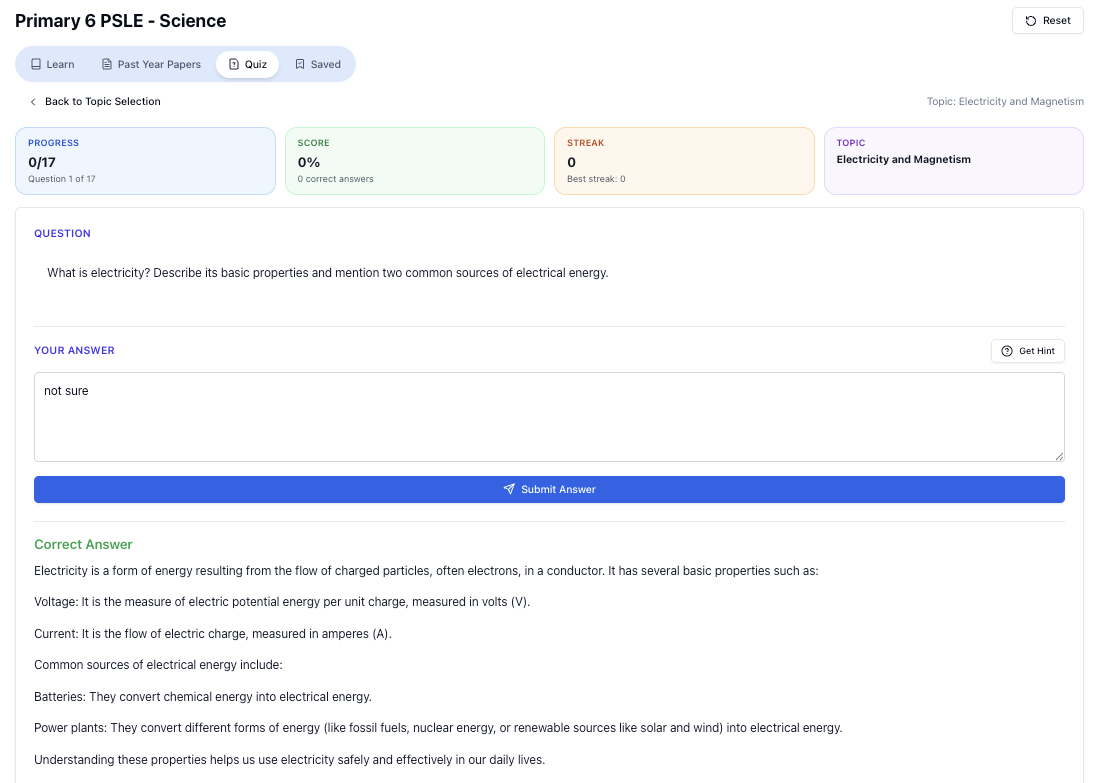
“Practice PSLE Science questions and get clear, step-by-step answers instantly.”
👉 Try a question now and see how fast you can improve.
Free on Tutorly.sg
Practise Source-based case study with step-by-step help — free to start
On Tutorly.sg/app you can practise unlimited Singapore syllabus questions, get instant explanations when you are stuck, and use past-year papers — no sign-up needed to start.
- ✓ PSLE, O Level, A Level, and more
- ✓ Step-by-step working when you are stuck
- ✓ Works on phone and laptop