

Free on Tutorly.sg
Practise Oral with step-by-step help — free to start
On Tutorly.sg/app you can practise unlimited Singapore syllabus questions, get instant explanations when you are stuck, and use past-year papers — no sign-up needed to start.
- ✓ PSLE, O Level, A Level, and more
- ✓ Step-by-step working when you are stuck
- ✓ Works on phone and laptop
Quick answer
Ever felt your heart sink when the oral question isn't what you practiced? It's a common stress. But with the right steps, you'll know how to answer any question confidently. Let's break down some real examples so you feel ready for your O Level Chinese oral exam.
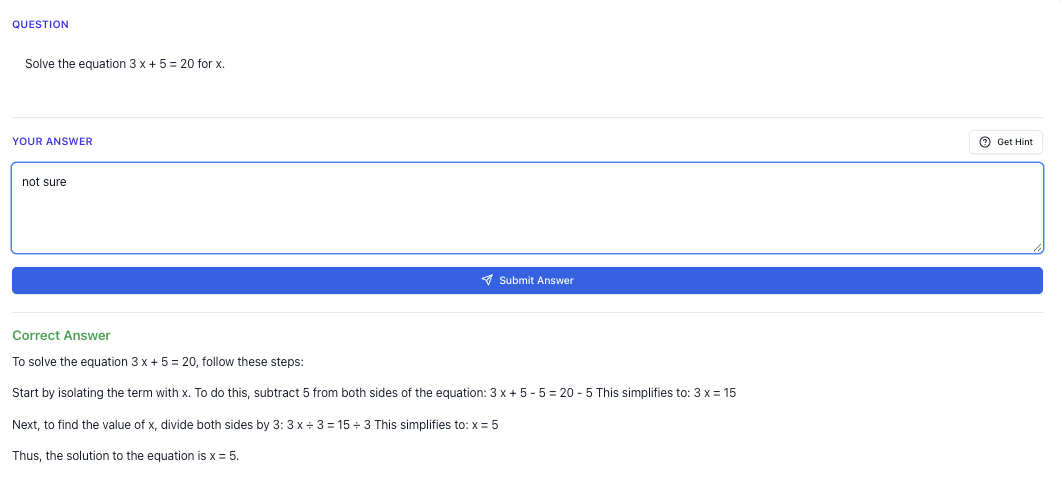
“Stuck on a question? See simple explanations that help you understand fast.”
👉 Give it a try and turn confusion into clarity in minutes.
What you need to know
The O Level Chinese oral exam tests your ability to speak clearly and express your thoughts in Mandarin. You'll be assessed on your pronunciation, fluency, and ability to engage in conversation.
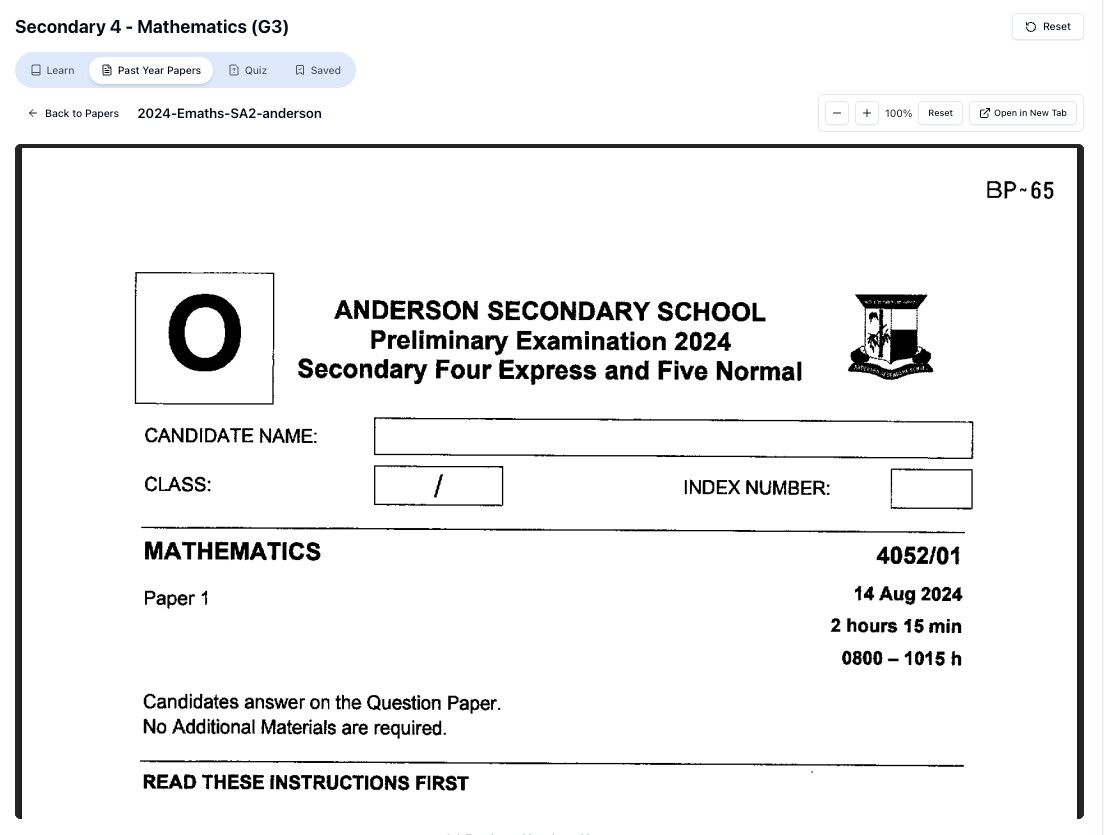
“Access more than 1000+ past year papers to practice”
👉 Start a paper today and test yourself like it’s the real exam.
Understanding the Oral Exam Structure
Before diving into examples, it's essential to know what you're dealing with. The oral exam has two parts: reading aloud and conversation.
Reading Aloud
-
Step 1: Read the passage aloud clearly.
Why: This shows you can pronounce words correctly and maintain a good flow. -
Step 2: Use appropriate tone and expression.
Why: This makes your reading more engaging and shows understanding of the text.
Conversation
-
Step 1: Listen carefully to the examiner's question.
Why: Understanding the question is crucial before you start answering. -
Step 2: Take a moment to organize your thoughts.
Why: A clear structure helps you answer logically and confidently.
Quick check
Try these mini questions to see if you understand the structure:
- What are the two parts of the oral exam?
- Why is it important to use expression when reading aloud?
- What should you do before answering a conversation question?
Answers:
- Reading aloud and conversation.
- It makes your reading engaging and shows understanding.
- Listen carefully and organize your thoughts.
Common mistakes students make
Mistake 1: Mispronouncing words
Fix: Practice reading aloud daily. Record yourself and listen for errors.
Mistake 2: Giving short answers in conversation
Fix: Expand your answers by giving examples or explaining why you think so.
Mistake 3: Speaking too quickly
Fix: Slow down and focus on clarity rather than speed.
Exam tip
- Marks: Pay attention to pronunciation, expression, and the depth of your conversation answers.
- Presentation: Sit upright and maintain eye contact to show confidence.
- Time: Use your prep time wisely. Jot down quick notes if it helps organize your thoughts.
- Question types: Be ready for follow-up questions. They test your ability to think on your feet.
Worked examples
Question 1: Reading Aloud
Passage: "今天的天气真好,阳光明媚,鸟儿在树上唱歌。"
Solution:
Step 1: Start with a clear voice, "今天的天气真好,阳光明媚,鸟儿在树上唱歌。”
Why: This sets a good pace and shows clarity.
Step 2: Add expression, "今天的天气真好 (happy tone), 阳光明媚 (cheerful), 鸟儿在树上唱歌 (gentle)."
Why: Expression enhances the listener's understanding and keeps them engaged.
Question 2: Conversation
Scenario: Discuss the importance of recycling.
Solution:
Step 1: Listen to the question carefully.
Why: It ensures you address the right topic.
Step 2: Start with a main point, "Recycling is important because it helps reduce waste."
Why: A clear main point gives your answer direction.
Step 3: Provide an example, "For instance, recycling paper saves trees."
Why: Examples make your argument stronger and more relatable.
“Doing Secondary Science? Pick a topic and practise like it’s a real exam — with clear answers right after.”
👉 Try Tutorly now and start a Science topic in seconds.

Question 3: Reading Aloud
Passage: "小明爱吃苹果,尤其是红苹果,因为它们很甜。"
Solution:
Step 1: Read the sentence slowly, "小明爱吃苹果,尤其是红苹果,因为它们很甜。”
Why: Slow reading ensures correct pronunciation.
Step 2: Use expression, emphasize "尤其是红苹果 (especially red apples)" and "因为它们很甜 (because they are sweet)."
Why: Emphasizing key phrases shows understanding and keeps the listener interested.
Question 4: Conversation
Scenario: How do you spend your weekends?
Solution:
Step 1: Begin with a general statement, "On weekends, I like to relax and recharge."
Why: A general statement introduces your topic smoothly.
Step 2: Add details, "I usually go for a run in the morning and read books in the afternoon."
Why: Details make your answer vivid and engaging.
Step 3: Link back to the main idea, "This helps me start the new week refreshed."
Why: Linking back shows coherence in your answer.
Quick summary
- Reading aloud: Focus on pronunciation and expression.
- Conversation: Listen, organize thoughts, and expand answers.
- Common mistakes: Mispronunciation, short answers, speaking too fast.
- Exam tips: Use tone, structure answers, manage time.
- Practice: Simulate exam conditions to build confidence.
FAQ
Q 1: What if I don't understand the question?
A 1: Ask the examiner to repeat it. It's better to clarify than to guess.
Q 2: How can I practice effectively at home?
A 2: Record yourself reading and speaking. Listen and correct mistakes.
Q 3: What should I do if I freeze?
A 3: Breathe, take a moment, and start with a simple sentence to get going.
Q 4: How do I improve my pronunciation?
A 4: Listen to native speakers, mimic their pronunciation, and practice daily.
Q 5: Can I use English if I forget a word in Mandarin?
A 5: Try to avoid it. Use simpler Mandarin words or describe the word instead.
Free on Tutorly.sg
Practise Oral with step-by-step help — free to start
On Tutorly.sg/app you can practise unlimited Singapore syllabus questions, get instant explanations when you are stuck, and use past-year papers — no sign-up needed to start.
- ✓ PSLE, O Level, A Level, and more
- ✓ Step-by-step working when you are stuck
- ✓ Works on phone and laptop
Free practice
Try it yourself
Practice makes perfect! Try similar oral questions with step-by-step help on Tutorly
- ✓ Unlimited similar questions
- ✓ Step-by-step help when you are stuck
- ✓ No sign-up needed to start
Related Topics You Should Learn Next
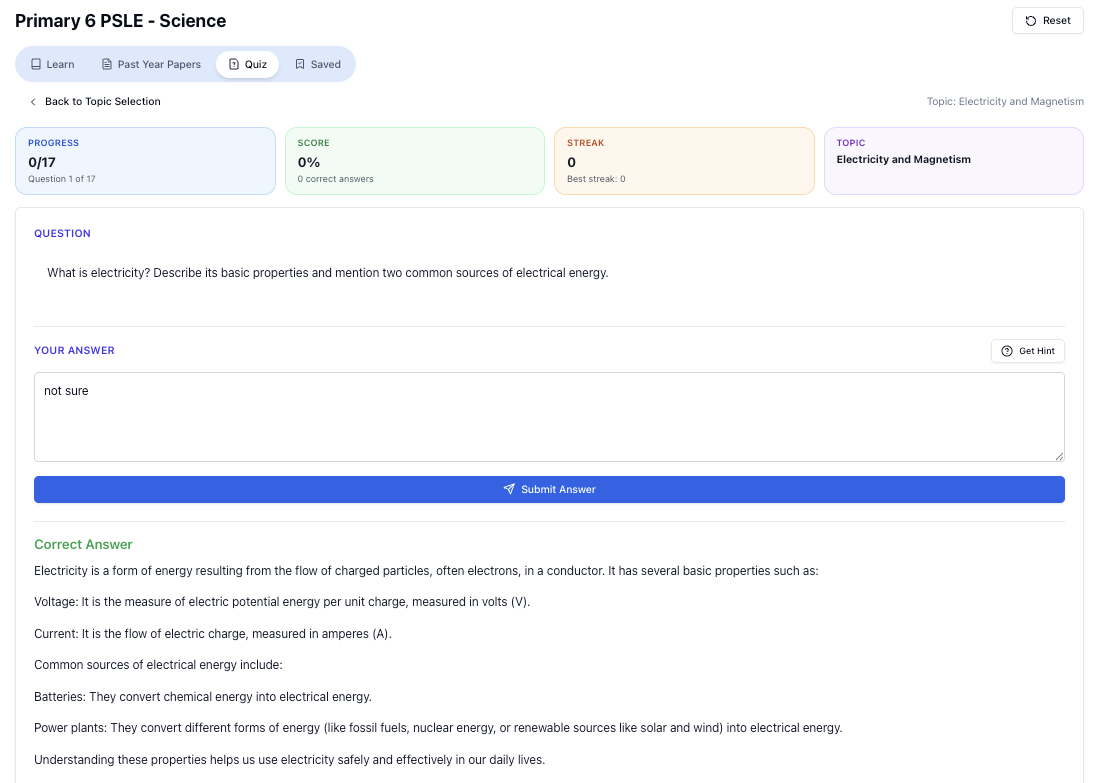
“Practice PSLE Science questions and get clear, step-by-step answers instantly.”
👉 Try a question now and see how fast you can improve.
Free on Tutorly.sg
Practise Oral with step-by-step help — free to start
On Tutorly.sg/app you can practise unlimited Singapore syllabus questions, get instant explanations when you are stuck, and use past-year papers — no sign-up needed to start.
- ✓ PSLE, O Level, A Level, and more
- ✓ Step-by-step working when you are stuck
- ✓ Works on phone and laptop