

Free on Tutorly.sg
Practise Oral with step-by-step help — free to start
On Tutorly.sg/app you can practise unlimited Singapore syllabus questions, get instant explanations when you are stuck, and use past-year papers — no sign-up needed to start.
- ✓ PSLE, O Level, A Level, and more
- ✓ Step-by-step working when you are stuck
- ✓ Works on phone and laptop
Quick answer
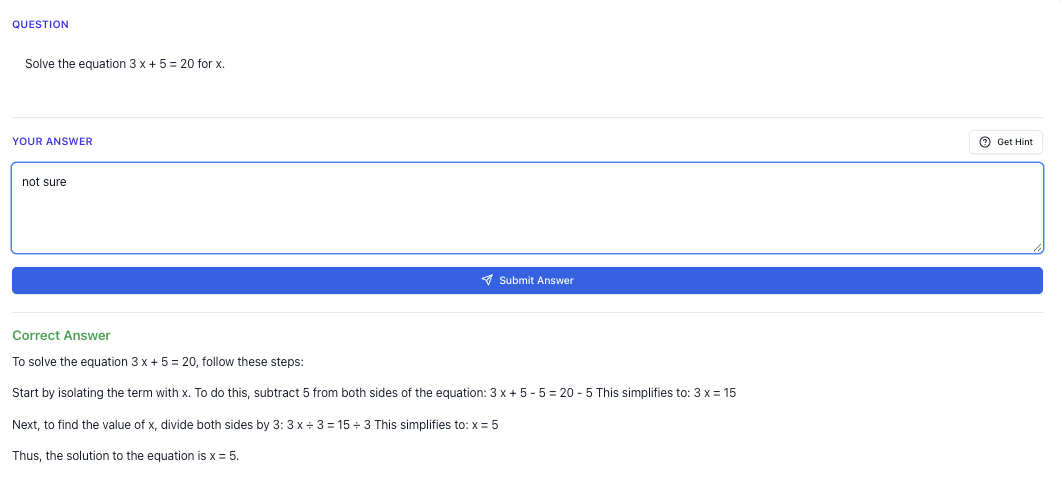
“Stuck on a question? See simple explanations that help you understand fast.”
👉 Give it a try and turn confusion into clarity in minutes.
Feeling that panic when the Chinese Oral examiner asks you a question? It's normal to worry if your answers are good enough. With practice, you'll gain confidence and know exactly what to say. This guide provides practice questions and answers, so you can face the exam room with ease.
What you need to know
The O Level Chinese Oral exam tests your ability to speak Mandarin fluently and clearly. You'll need to describe a picture and answer questions about it, as well as engage in a conversation with the examiner. Your pronunciation, fluency, and the relevance of your answers are key.
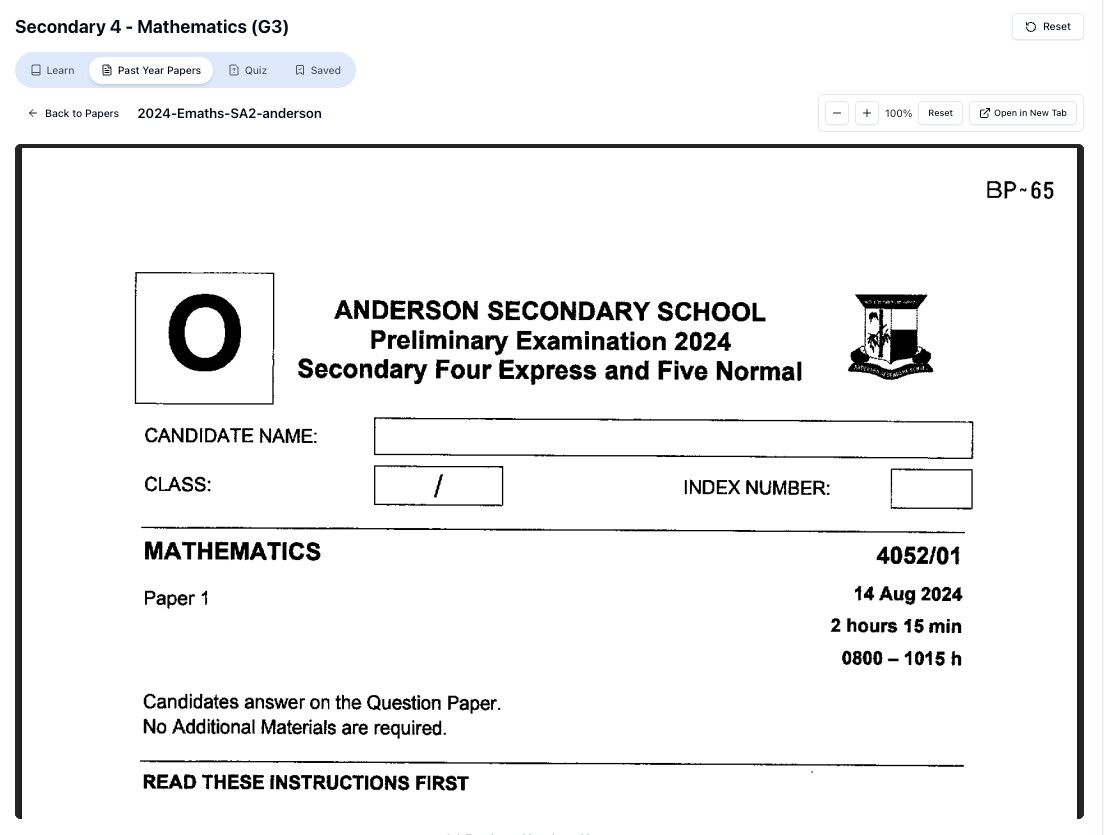
“Access more than 1000+ past year papers to practice”
👉 Start a paper today and test yourself like it’s the real exam.
Practice Questions
Let's dive into some practice questions that mirror what you might see in the O Level exam. Practice makes perfect, so take your time with these.
Question 1: Picture Discussion
Picture Description: Describe the scene in the picture. Focus on the people, their actions, and the setting.
Question 2: Conversation
Topic: Discuss your favorite hobby. Why do you enjoy it? How does it help you in your daily life?
Question 3: Picture Discussion
Picture Description: Describe what's happening in this busy market scene. What are the people buying and selling?
Question 4: Conversation
Topic: Talk about a memorable trip you took with your family. What made it special?
Question 5: Picture Discussion
Picture Description: Look at this school event scene. Describe the activities the students are engaged in.
Question 6: Conversation
Topic: Share your thoughts on the importance of learning a second language.
Question 7: Picture Discussion
Picture Description: Describe the scene at this community park. What are the people doing to relax?
Question 8: Conversation
Topic: Discuss the role of technology in your daily life. Is it more helpful or distracting?
Common mistakes students make
Picture Description Mistakes
-
Over-describing irrelevant details: Focus on what's important and related to the topic.
How to fix: Stick to the main actions and people. Describe what's most relevant to the question.
-
Using incorrect vocabulary: Using the wrong words can confuse the examiner.
How to fix: Use simple, familiar words. If you're unsure, describe it another way.
Conversation Mistakes
-
Going off-topic: It's easy to stray from the question.
How to fix: Keep your answers focused. Relate everything back to the question.
-
Speaking too fast or too slow: Pace affects clarity.
How to fix: Practice speaking at a comfortable pace. Record yourself to check.
Exam tip
- Marks: Focus on clarity and relevance. The examiner wants to see if you understand and can communicate your thoughts clearly.
- Presentation: Speak confidently. Even if you're unsure, present your answer with conviction.
- Time management: Practice timing your responses. You don't want to run out of time or finish too quickly.
- Question types: Be prepared for both picture description and conversation. Practice answering a variety of questions.
Worked Examples
Question 1: Picture Discussion
Solution:
Step 1: Identify the main elements in the picture. Look for people, actions, and objects.
Why: This helps you focus on the most important parts of the picture.
Step 2: Describe the main action first. What is the central activity?
Why: Starting with the main action gives your description structure and focus.
“Doing Secondary Science? Pick a topic and practise like it’s a real exam — with clear answers right after.”
👉 Try Tutorly now and start a Science topic in seconds.

Step 3: Add details about people and their expressions. Are they happy, sad, busy?
Why: Describing expressions adds depth and detail to your answer.
Step 4: Mention the setting briefly. Where is this taking place?
Why: The setting provides context for the actions in the picture.
Question 2: Conversation
Solution:
Step 1: Listen carefully to the question. Understand what is being asked.
Why: Misunderstanding the question can lead you off-topic.
Step 2: Plan your answer briefly. Think of the main points you want to mention.
Why: Planning helps you stay organized and relevant.
Step 3: Start with a clear opening sentence. State your opinion or main point.
Why: A strong start sets the tone for your answer.
Step 4: Elaborate on your points with examples. Make your answer interesting.
Why: Examples support your points and make your answer more convincing.
Step 5: Conclude with a summarizing sentence. Wrap up your thoughts neatly.
Why: A good conclusion leaves a positive impression on the examiner.
Quick check
Try these self-test questions:
- Describe a scene at a library.
- Discuss the benefits of reading books.
- Describe a family gathering scene.
Quick summary
- Focus on key elements in picture descriptions.
- Keep conversation answers relevant and clear.
- Practice timing your answers to fit the exam format.
- Use simple and familiar vocabulary.
- Stay confident, even if you're unsure.
FAQ
Q 1: How can I improve my Chinese pronunciation?
Practice speaking daily, record yourself, and listen to native speakers. Mimic their pronunciation.
Q 2: What if I don't understand the examiner's question?
Politely ask them to repeat it. It's better to ask than guess and go off-topic.
Q 3: How long should my responses be?
Aim for 2-3 minutes per response. Practice timing yourself at home.
Q 4: Can I use English words if I forget a Chinese term?
Try to describe the term in Chinese. Only use English as a last resort.
Q 5: How do I deal with nerves during the oral exam?
Practice relaxation techniques, like deep breathing. Confidence grows with practice.
Free on Tutorly.sg
Practise Oral with step-by-step help — free to start
On Tutorly.sg/app you can practise unlimited Singapore syllabus questions, get instant explanations when you are stuck, and use past-year papers — no sign-up needed to start.
- ✓ PSLE, O Level, A Level, and more
- ✓ Step-by-step working when you are stuck
- ✓ Works on phone and laptop
Free practice
Try it yourself
Ready to practice more? Head over to for similar questions with step-by-step help. Keep practicing and you'll feel ready for anything the exam throws at you.
- ✓ Unlimited similar questions
- ✓ Step-by-step help when you are stuck
- ✓ No sign-up needed to start
Related Topics You Should Learn Next
- O Level Chinese Language Oral Complete Guide Singapore
- O Level Chinese Oral Topic Cluster Hub
- O Level Chinese Oral Complete Guide Singapore
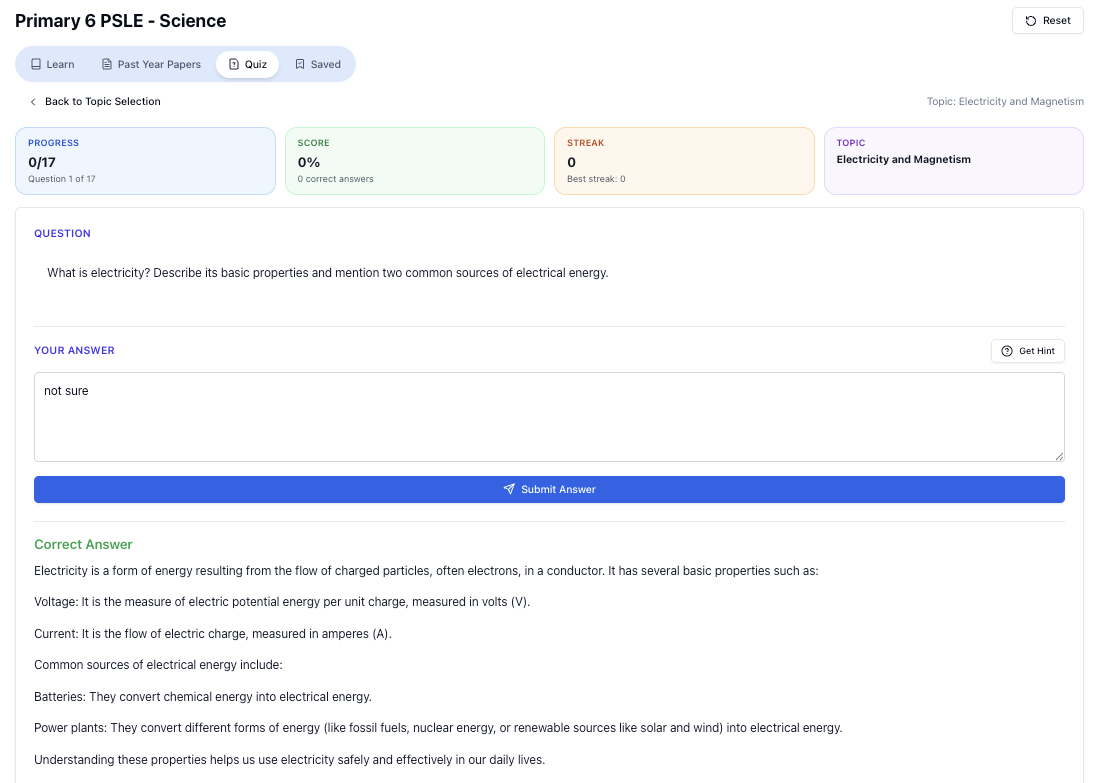
“Practice PSLE Science questions and get clear, step-by-step answers instantly.”
👉 Try a question now and see how fast you can improve.
Free on Tutorly.sg
Practise Oral with step-by-step help — free to start
On Tutorly.sg/app you can practise unlimited Singapore syllabus questions, get instant explanations when you are stuck, and use past-year papers — no sign-up needed to start.
- ✓ PSLE, O Level, A Level, and more
- ✓ Step-by-step working when you are stuck
- ✓ Works on phone and laptop