
Free on Tutorly.sg
Practise Comprehension with step-by-step help — free to start
On Tutorly.sg/app you can practise unlimited Singapore syllabus questions, get instant explanations when you are stuck, and use past-year papers — no sign-up needed to start.
- ✓ PSLE, O Level, A Level, and more
- ✓ Step-by-step working when you are stuck
- ✓ Works on phone and laptop
Quick answer
Feeling stuck with O Level English comprehension? You're not alone. Many students lose marks because their answers sound awkward, even when they're grammatically correct. Let me show you how to fix these slips for clearer, more natural responses.
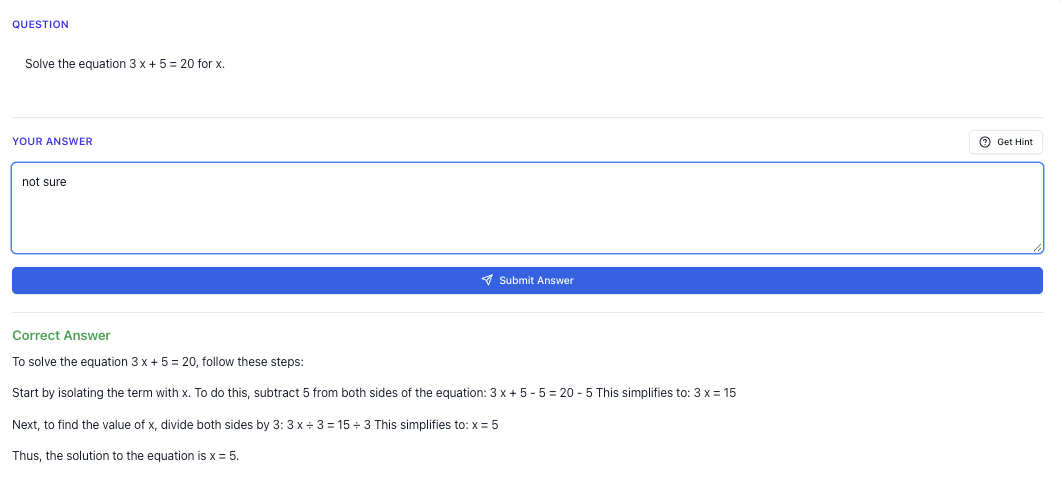
“Stuck on a question? See simple explanations that help you understand fast.”
👉 Give it a try and turn confusion into clarity in minutes.
What you need to know
Comprehension in O Level English is all about understanding a passage and answering questions in a clear and natural way. It's not just about getting the grammar right; your answer should flow like how a native speaker would phrase it. Think of it like having a conversation with the text.
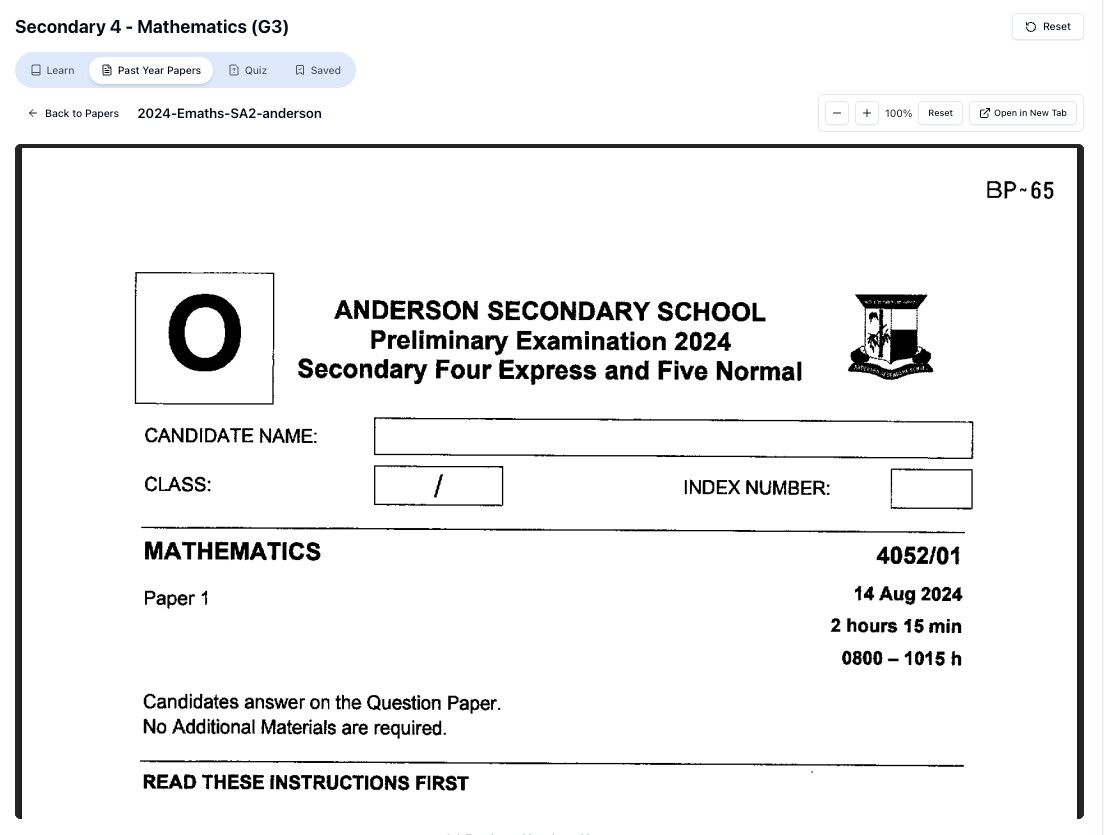
“Access more than 1000+ past year papers to practice”
👉 Start a paper today and test yourself like it’s the real exam.
Common mistakes students make
1. Overcomplicating sentences
Many students think using big words impresses markers. But if you can't use them naturally, your sentence might sound forced. For example, "The protagonist exhibits an inclination towards benevolence" could simply be "The main character is kind." See? A more natural way to say this is to keep it simple and clear.
2. Translating directly from your mother tongue
This is a big one. I often notice students' answers sounding odd because they're translating word-for-word from languages like Mandarin or Malay. For example, "Can or cannot?" sounds like Singlish. Native speakers usually phrase it like "Is it possible?"
3. Ignoring the question's demand
Sometimes, students answer what they think is being asked instead of what's actually there. Always pinpoint the question's keywords. If it asks "Why," don't just describe. Explain the reason, like a mini-story.
Exam tip
When answering, aim for clarity. Use simple sentences to explain your point. A clear, straightforward answer usually scores higher than a complex one that's hard to follow. Also, manage your time by quickly skimming the passage first to get the gist, then dive deeper for the details needed for each question.
Worked examples
Question
Read the passage and answer: "What is the author's main point in paragraph 3?"
Solution
Step 1: Identify paragraph 3 in the passage.
Why: Knowing the exact location focuses your reading and saves time.
Step 2: Read the paragraph and highlight key points.
Why: Highlighting helps you remember important information without re-reading the whole paragraph.
Step 3: Summarise the main point in a sentence or two.
Why: This forces you to focus on the core message, not the fluff.
Step 4: Write your answer using simple, clear words.
Why: Clarity shows understanding and communicates your point effectively.
“Doing Secondary Science? Pick a topic and practise like it’s a real exam — with clear answers right after.”
👉 Try Tutorly now and start a Science topic in seconds.

Quick summary
- Use simple, natural language in your answers.
- Avoid directly translating from your mother tongue.
- Focus on what the question is really asking.
- Highlight key points in the passage for quick recall.
- Summarise main ideas before writing your answer.
- Manage your time wisely by skimming first, then diving deep.
- Prioritise clarity over complexity for higher marks.
FAQ
How can I make my answers sound more natural?
Use everyday language. If a word feels strange to say aloud, it's probably not right for your answer.
What's a common mistake in comprehension exams?
Many students ignore the question's demand. Always identify the key action word like "explain" or "describe."
How do I handle tricky vocabulary in the passage?
Look at the surrounding sentences for clues. Often, the meaning is hinted at in the context.
Should I use quotes from the passage in my answer?
Yes, but only when relevant. Quotes can support your answer but don't rely on them entirely.
Is it okay to use Singlish in my answers?
Avoid it. While it's part of our culture, it's not formal English and can confuse markers.
Free on Tutorly.sg
Practise Comprehension with step-by-step help — free to start
On Tutorly.sg/app you can practise unlimited Singapore syllabus questions, get instant explanations when you are stuck, and use past-year papers — no sign-up needed to start.
- ✓ PSLE, O Level, A Level, and more
- ✓ Step-by-step working when you are stuck
- ✓ Works on phone and laptop
Free practice
Try it yourself
Want to practice more comprehension questions with step-by-step help? Head over to for guided practice that breaks it all down for you.
- ✓ Unlimited similar questions
- ✓ Step-by-step help when you are stuck
- ✓ No sign-up needed to start
Related Topics You Should Learn Next
- O Level English vs IP English: Key Differences Explained
- PSLE English Comprehension Answering in Singapore: How to Score Full Marks
- How To Use ChatGPT For Comprehension (Singapore Secondary Level Tutorial)
- O Level English Language Comprehension: Your Complete Guide to Scoring Higher
Remember, once this clicks, the rest is easier. Keep practicing, and you'll see improvement!
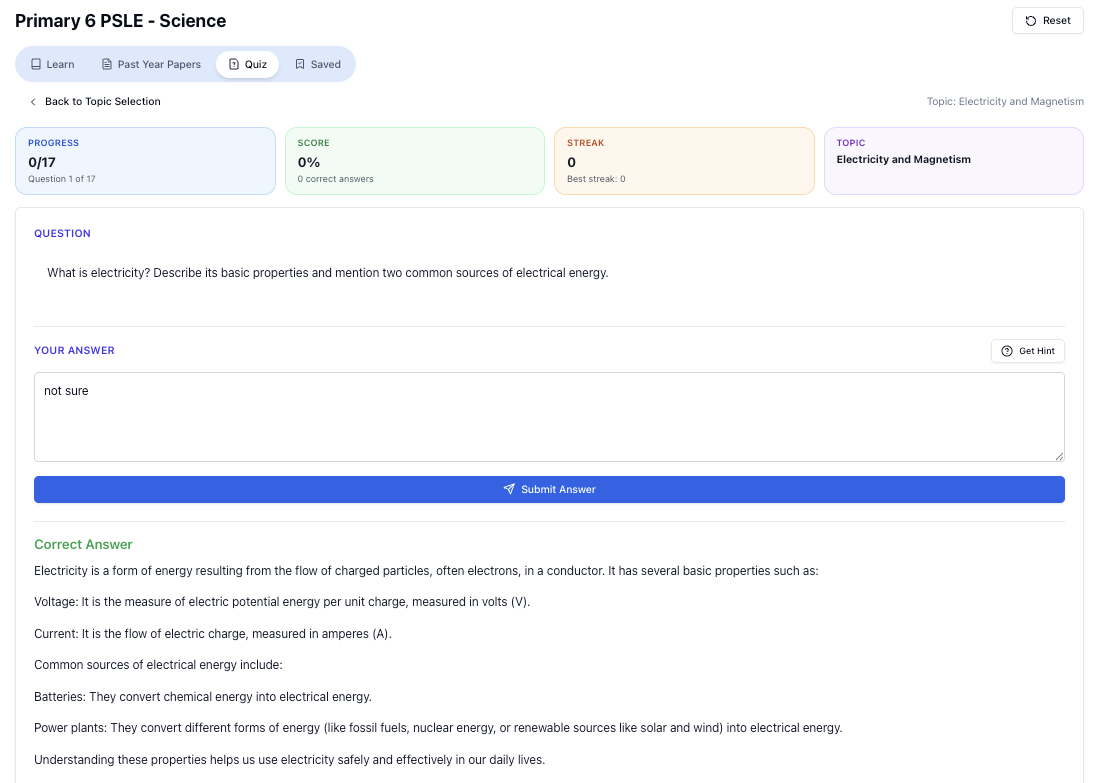
“Practice PSLE Science questions and get clear, step-by-step answers instantly.”
👉 Try a question now and see how fast you can improve.
Free on Tutorly.sg
Practise Comprehension with step-by-step help — free to start
On Tutorly.sg/app you can practise unlimited Singapore syllabus questions, get instant explanations when you are stuck, and use past-year papers — no sign-up needed to start.
- ✓ PSLE, O Level, A Level, and more
- ✓ Step-by-step working when you are stuck
- ✓ Works on phone and laptop