

Free on Tutorly.sg
Practise Comprehension with step-by-step help — free to start
On Tutorly.sg/app you can practise unlimited Singapore syllabus questions, get instant explanations when you are stuck, and use past-year papers — no sign-up needed to start.
- ✓ PSLE, O Level, A Level, and more
- ✓ Step-by-step working when you are stuck
- ✓ Works on phone and laptop
Quick answer
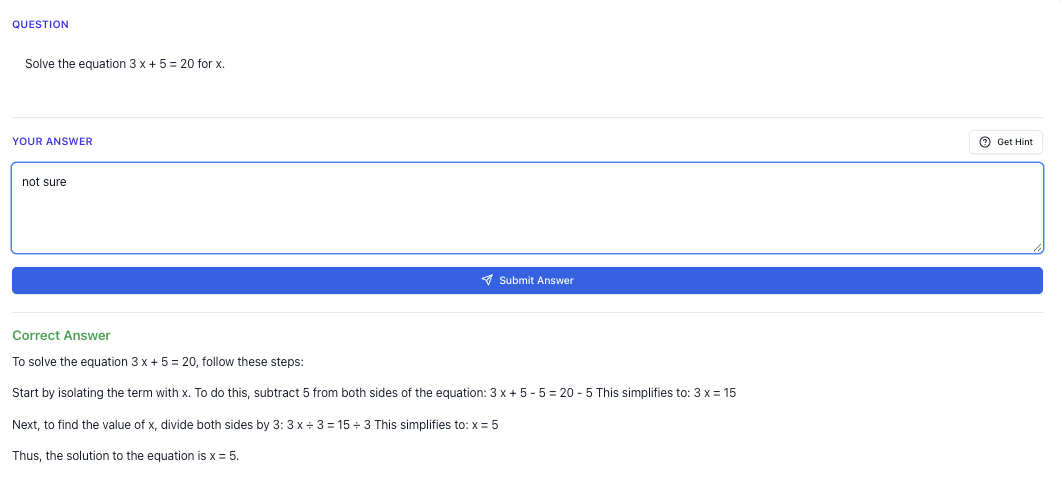
Feeling overwhelmed by O Level English comprehension questions? Focus on understanding the passage and expressing ideas naturally. I'll show you how to avoid common mistakes and answer questions clearly, so you won't lose marks for awkward phrasing.
“Stuck on a question? See simple explanations that help you understand fast.”
👉 Give it a try and turn confusion into clarity in minutes.
What you need to know
Comprehension is about understanding a passage and answering questions based on it. You need to show you understand the text, not just repeat it. It's more about clarity than using big words.
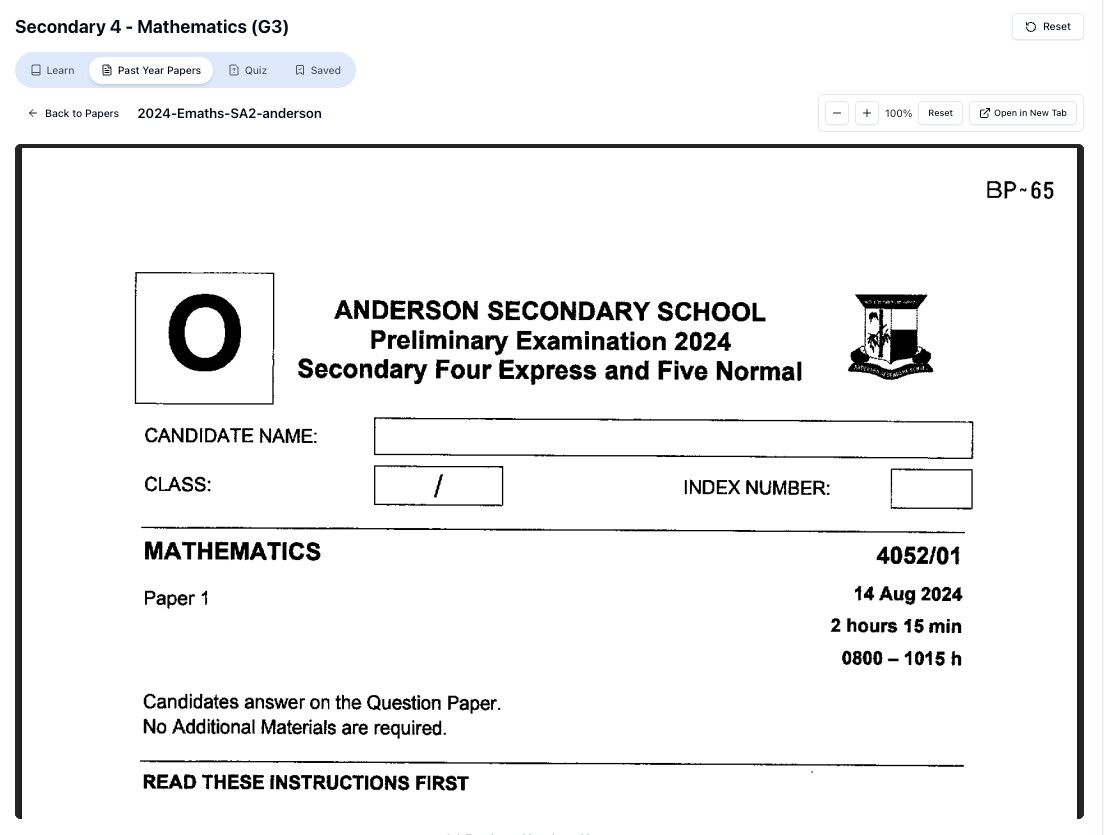
“Access more than 1000+ past year papers to practice”
👉 Start a paper today and test yourself like it’s the real exam.
Understanding the Passage
Read the Passage Carefully
Okay, breathe first. When you get your paper, don't rush. Read the passage once to get the main idea.
Step 1: Skim the passage quickly.
Why: This gives you a rough idea of what it's about.
Step 2: Read again, this time slowly. Underline key points.
Why: This helps you focus on what might be important for the questions.
Identify the Tone and Purpose
The tone is how the author feels, and the purpose is why they wrote it.
Step 1: Look for words that show emotion or opinion.
Why: These words help identify the tone, like whether the author is happy, sad, or angry.
Step 2: Think about the main message.
Why: This tells you the purpose — to inform, persuade, or entertain.
Quick check
- What is the tone of a passage about a family's holiday?
- Why would an author use a persuasive tone?
Answering Questions
Use Your Own Words
Many students at Band 6 make this mistake repeatedly — copying text directly. Use your own words to show you understand.
Step 1: Find the answer in the passage.
Why: This ensures your answer is correct.
Step 2: Rewrite it in your own words.
Why: This shows the examiner you understand, not just memorised.
Structure Your Answers
A more natural way to say this is to have a clear, logical structure.
Step 1: Start with a topic sentence.
Why: This introduces your answer clearly.
Step 2: Add supporting details.
Why: These details show how you got your answer.
Step 3: Conclude with a summary sentence.
Why: This wraps up your answer neatly.
Common mistakes students make
Direct Translation
Many students translate directly from their mother tongue, leading to awkward sentences. Native speakers usually phrase it like this: "I went to school yesterday," instead of "Yesterday, I go school."
Overusing Vocabulary
Students often memorise vocabulary they cannot confidently use. It's better to use simple words correctly.
Missing the Main Idea
Sometimes, students focus too much on details and miss the main idea of the passage. Always identify the main point first.
Exam tip
“Doing Secondary Science? Pick a topic and practise like it’s a real exam — with clear answers right after.”
👉 Try Tutorly now and start a Science topic in seconds.

Manage your time wisely. Spend 10 minutes reading the passage, 5 minutes planning each answer, and the rest writing. This balance helps you finish without panic.
Worked examples
Question 1
Passage: A story about a boy who learns the value of friendship.
Solution
Step 1: Identify the main idea: friendship is important.
Why: This sets the context for your answer.
Step 2: Find examples in the passage showing friendship.
Why: These examples support your answer.
Step 3: Write your answer using your own words.
Why: This shows your understanding and avoids plagiarism.
Quick summary
- Read the passage twice: skim first, then read carefully.
- Identify tone and purpose from key words.
- Use your own words in answers.
- Structure answers with clear topic sentences.
- Avoid direct translation; aim for natural phrasing.
- Manage your time: plan your answers.
- Practice with past papers to improve.
FAQ
What if I don't understand a word in the passage?
Try to understand the sentence as a whole. Often, context gives clues about the meaning.
How can I improve my vocabulary for comprehension?
Learn words in context, not just lists. Read widely and note how words are used.
Why do I lose marks even if my answers seem right?
Check if your answers are clear and in your own words. Clarity often matters more than complex vocabulary.
How do I manage my time during the exam?
Allocate specific times for reading, planning, and writing. Practice this timing with past papers.
Free on Tutorly.sg
Practise Comprehension with step-by-step help — free to start
On Tutorly.sg/app you can practise unlimited Singapore syllabus questions, get instant explanations when you are stuck, and use past-year papers — no sign-up needed to start.
- ✓ PSLE, O Level, A Level, and more
- ✓ Step-by-step working when you are stuck
- ✓ Works on phone and laptop
Free practice
Try it yourself
Practice similar comprehension questions with step-by-step help on Tutorly
- ✓ Unlimited similar questions
- ✓ Step-by-step help when you are stuck
- ✓ No sign-up needed to start
Related Topics You Should Learn Next
- O-Level English vs IP English: Key Differences Explained (2026)
- PSLE English Comprehension Answering in Singapore: How to Score Full Marks
- How To Use ChatGPT For Comprehension (Singapore Secondary Level Tutorial)
- How To Find Good Secondary English Tuition In Singapore (Even If You Hate Comprehension)
For a structured way to master O Level comprehension, head to our topic cluster hub.
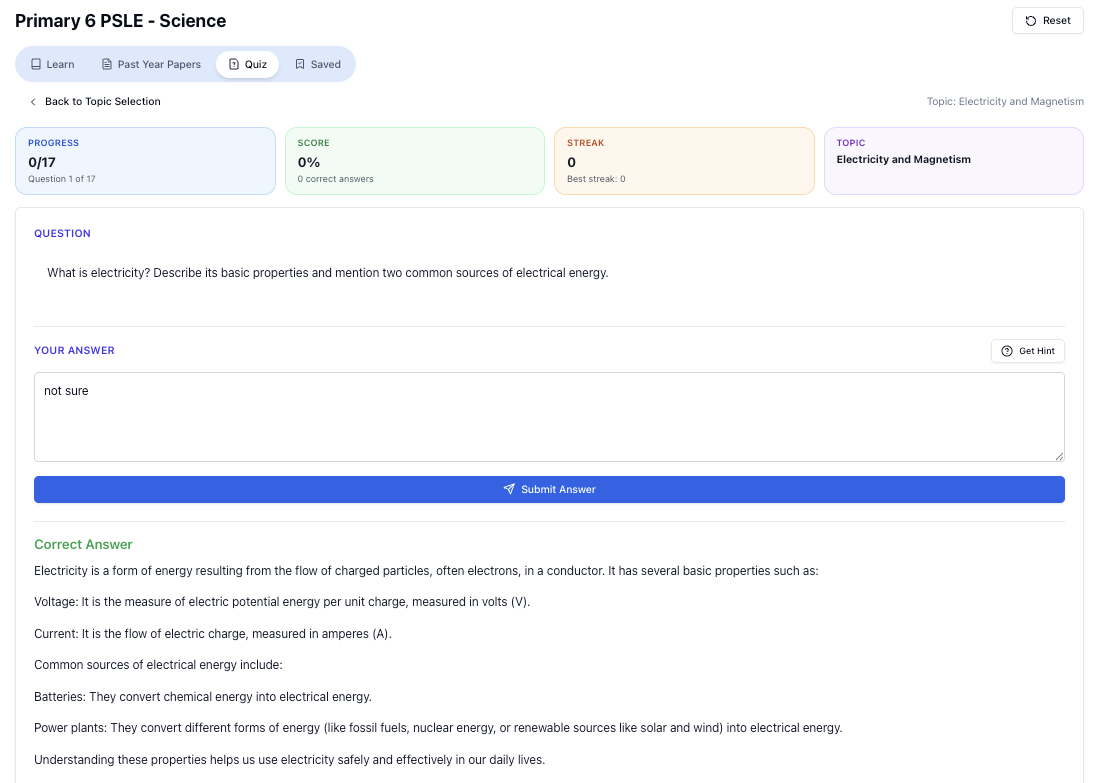
“Practice PSLE Science questions and get clear, step-by-step answers instantly.”
👉 Try a question now and see how fast you can improve.
Free on Tutorly.sg
Practise Comprehension with step-by-step help — free to start
On Tutorly.sg/app you can practise unlimited Singapore syllabus questions, get instant explanations when you are stuck, and use past-year papers — no sign-up needed to start.
- ✓ PSLE, O Level, A Level, and more
- ✓ Step-by-step working when you are stuck
- ✓ Works on phone and laptop