

Free on Tutorly.sg
Practise Acids bases and salts with step-by-step help — free to start
On Tutorly.sg/app you can practise unlimited Singapore syllabus questions, get instant explanations when you are stuck, and use past-year papers — no sign-up needed to start.
- ✓ PSLE, O Level, A Level, and more
- ✓ Step-by-step working when you are stuck
- ✓ Works on phone and laptop
Quick answer
Losing marks in O Level Chemistry on acids, bases, and salts often comes down to simple yet costly mistakes. Whether it’s mixing up definitions or not showing full working in equations, these slips can be avoided with a bit of focus and clarity. Let's tackle these common pitfalls so you can score the marks you deserve.
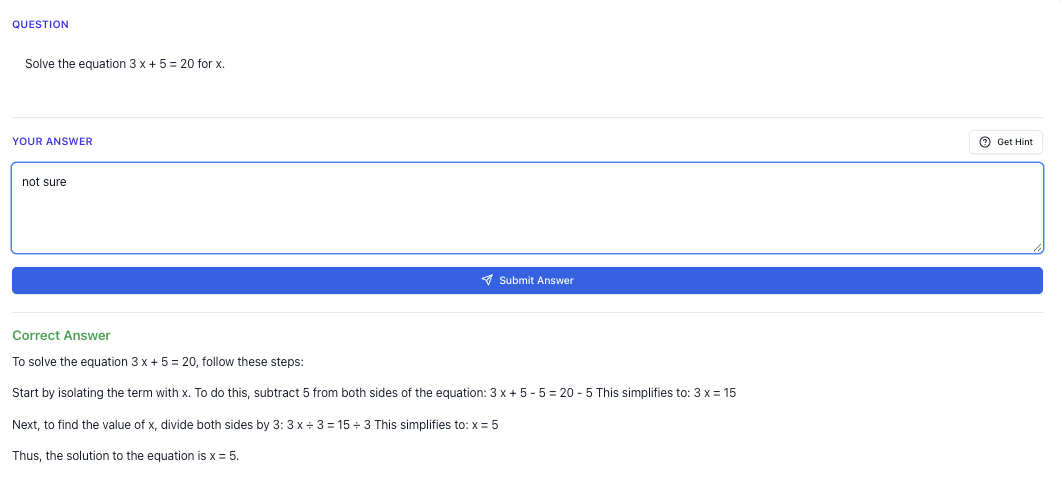
“Stuck on a question? See simple explanations that help you understand fast.”
👉 Give it a try and turn confusion into clarity in minutes.
What you need to know
Acids are substances that release hydrogen ions () in water, while bases release hydroxide ions (). Salts are formed when acids and bases neutralize each other. Remember, understanding the process is more important than just memorizing definitions.
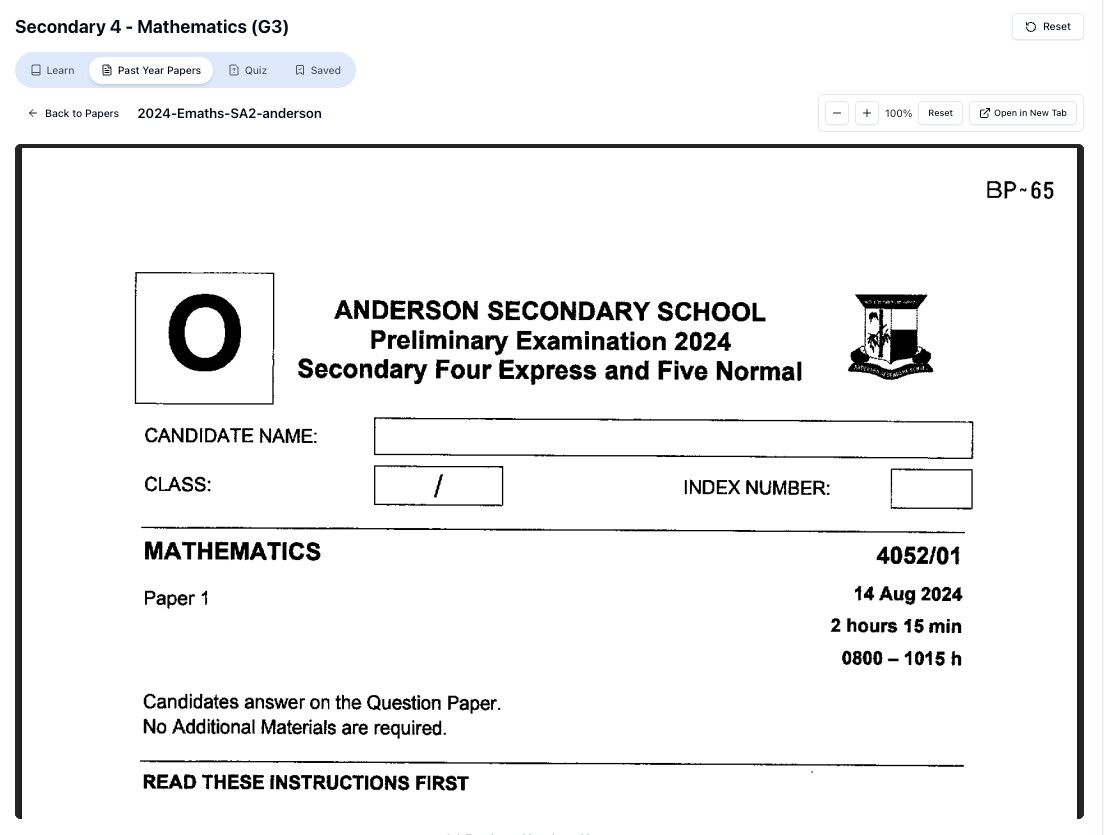
“Access more than 1000+ past year papers to practice”
👉 Start a paper today and test yourself like it’s the real exam.
Common mistakes students make
Mixing Up Definitions
One mistake I repeatedly see among my Sec 4 students is confusing terms like "strong" and "concentrated." A simple way I explain this during tuition is: "Strong" refers to how completely an acid or base ionizes in water, while "concentrated" refers to the amount of acid or base in a given volume of solution.
Answering Too Generally
Students often lose marks because they answer too generally. For instance, when asked to explain why a solution is acidic, just saying "it has ions" is too vague. The examiner is testing whether you truly understand the process. You need to specify that these ions come from the complete ionization of the acid in the solution.
Struggling with Question Phrasing
Students usually panic when they see application questions like this. If the question is phrased differently from what you’ve memorized, it can be confusing. Practice answering questions in different forms to get comfortable with the language used in exams.
Exam tip
When you’re doing your paper, always check if you've answered the question fully. Precision matters more than length. Use specific terms and show all your working, even if it seems obvious. It helps the examiner follow your thought process and awards you the marks you deserve.
Worked examples
Question
Explain why a diluted hydrochloric acid solution is still considered a strong acid.
Solution
Step 1: Identify the acid. Here, it's hydrochloric acid ().
Why: Knowing the type of acid helps you determine its properties.
Step 2: Describe the ionization. ionizes completely in water to form and ions.
Why: "Strong" means it ionizes completely, not about the concentration.
Step 3: Connect to the question. Even when diluted, still ionizes fully.
Why: The term "strong acid" refers to complete ionization, regardless of concentration.
Quick check
- What is the difference between a strong acid and a concentrated acid?
- Why does a solution with ions feel slippery?
- How do you know if a neutralization reaction has occurred?
Answers:
- Strong acid ionizes completely; concentrated acid has a high number of acid molecules in a solution.
- ions react with oils on your skin, making it feel slippery.
- A neutralization reaction produces water and a salt.
Quick summary
“Doing Secondary Science? Pick a topic and practise like it’s a real exam — with clear answers right after.”
👉 Try Tutorly now and start a Science topic in seconds.

- Acids release ions; bases release ions.
- Strong acids completely ionize, regardless of concentration.
- Always use precise terms in your answers.
- Show all steps in calculations for clarity.
- Practice with different question phrasings to avoid panic.
FAQ
What is the difference between a strong and weak acid?
A strong acid completely ionizes in water, releasing all its hydrogen ions, while a weak acid only partially ionizes.
Why do bases feel slippery?
Bases feel slippery because they react with the natural oils on your skin, creating a soap-like texture.
How can I remember the reactions of acids and bases?
Think of acids as substances that release ions and bases as those that release ions. They react to form water and salt.
Why is it important to show all steps in calculations?
Showing all steps helps the examiner understand your thought process and ensures you get full marks for your answer.
Free on Tutorly.sg
Practise Acids bases and salts with step-by-step help — free to start
On Tutorly.sg/app you can practise unlimited Singapore syllabus questions, get instant explanations when you are stuck, and use past-year papers — no sign-up needed to start.
- ✓ PSLE, O Level, A Level, and more
- ✓ Step-by-step working when you are stuck
- ✓ Works on phone and laptop
Free practice
Try it yourself
Practise similar questions with step-by-step help on Tutorly
- ✓ Unlimited similar questions
- ✓ Step-by-step help when you are stuck
- ✓ No sign-up needed to start
Practise with free question sets
Work through exam-style questions with answers and step-by-step solutions:
- 35+ O Level Acids, Bases and Salts Questions for (Singapore MOE Syllabus) with Answers
- Topic study hub
[Practise unlimited questions on Tutorly.sg/app](https://www.tutorly.sg/app)
Related Topics You Should Learn Next
- O Level Chemistry: Avoiding Common Mistakes in Acids, Bases, and Salts
- O Level Chemistry: Mastering Acids, Bases, and Salts Without Memorizing
- O Level Chemistry: Step-by-Step Solutions for Acids, Bases, and Salts
- Topic cluster for O Level Chemistry
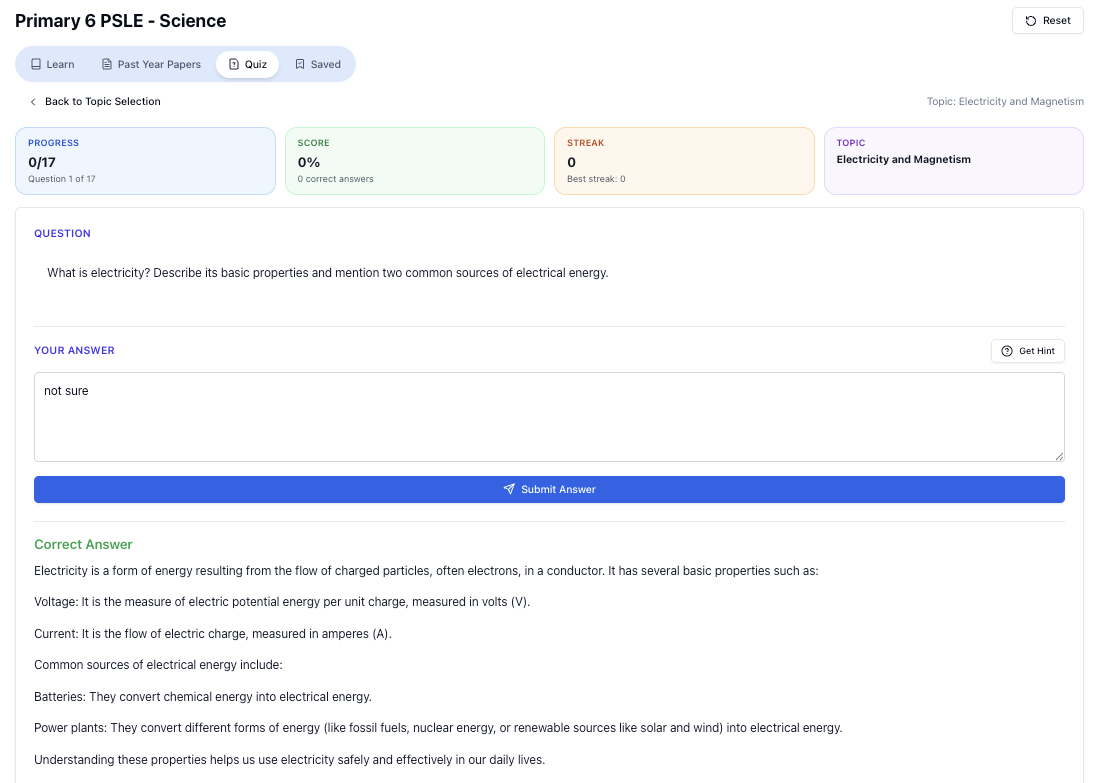
“Practice PSLE Science questions and get clear, step-by-step answers instantly.”
👉 Try a question now and see how fast you can improve.
Free on Tutorly.sg
Practise Acids bases and salts with step-by-step help — free to start
On Tutorly.sg/app you can practise unlimited Singapore syllabus questions, get instant explanations when you are stuck, and use past-year papers — no sign-up needed to start.
- ✓ PSLE, O Level, A Level, and more
- ✓ Step-by-step working when you are stuck
- ✓ Works on phone and laptop