

Free on Tutorly.sg
Practise Organic chemistry with step-by-step help — free to start
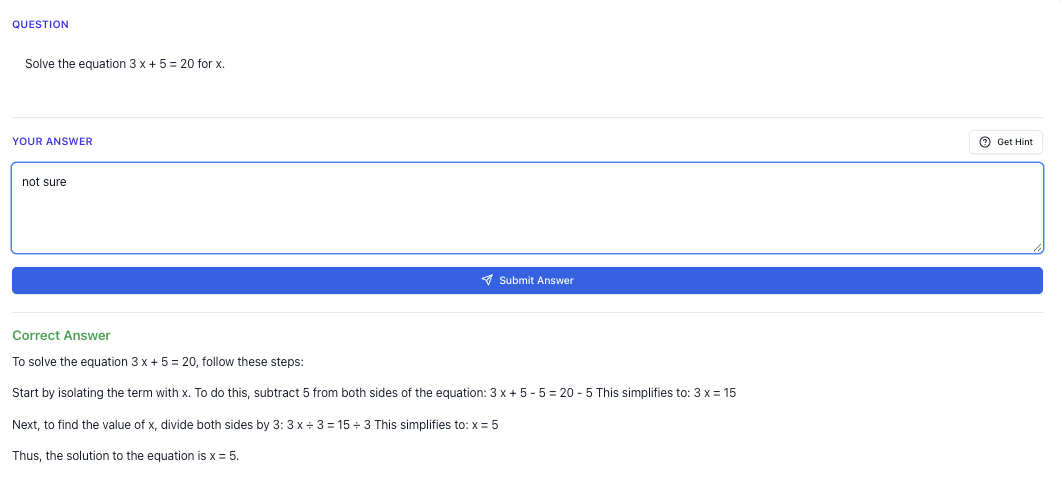
On Tutorly.sg/app you can practise unlimited Singapore syllabus questions, get instant explanations when you are stuck, and use past-year papers — no sign-up needed to start.
- ✓ PSLE, O Level, A Level, and more
- ✓ Step-by-step working when you are stuck
- ✓ Works on phone and laptop
Quick answer
Feeling like your heart's sinking when you see an organic chemistry question you know you should be able to answer? You're not alone. The key to scoring well in A Level Organic Chemistry is understanding the processes, not just memorizing keywords. After reading this, you'll have a clearer idea of how to tackle those tricky questions and manage your time effectively.
“Stuck on a question? See simple explanations that help you understand fast.”
👉 Give it a try and turn confusion into clarity in minutes.
What you need to know
Organic chemistry at the A Level involves studying the structure, properties, and reactions of organic compounds. It's not just about memorizing reactions and mechanisms; it's about understanding why they happen. This subject requires you to apply knowledge to new situations, which can be daunting if you're used to rote learning.
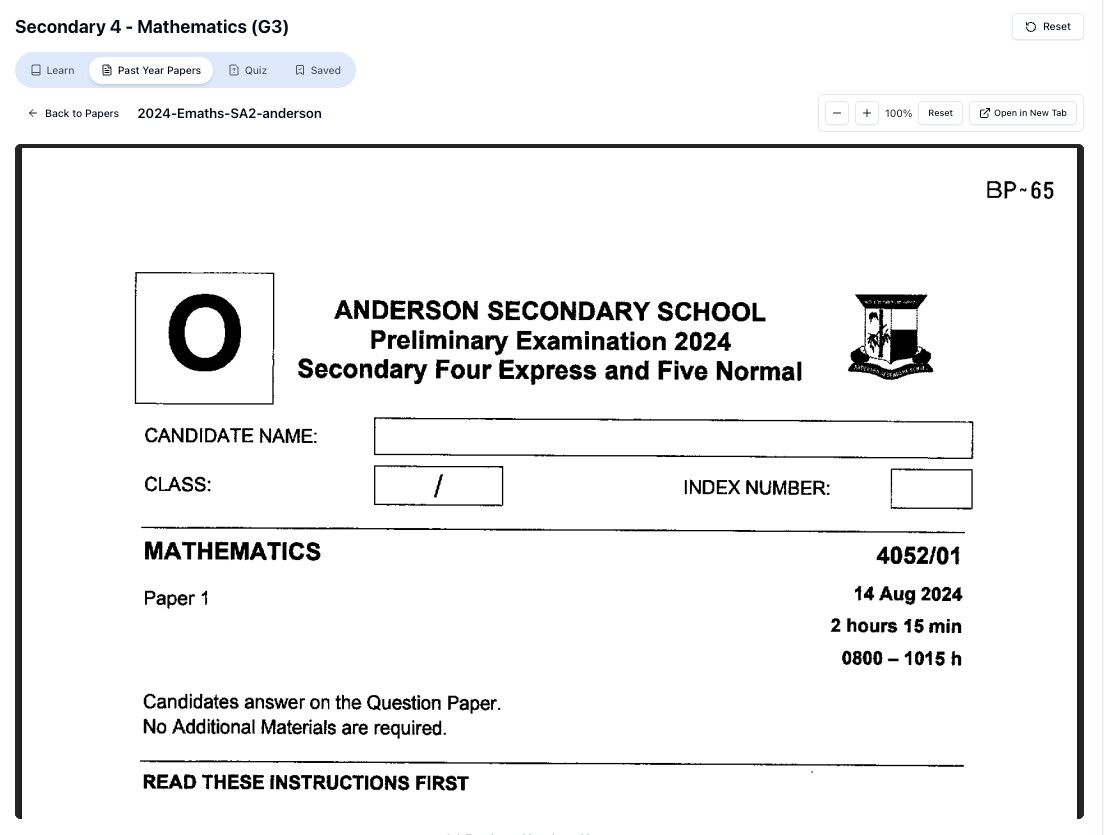
“Access more than 1000+ past year papers to practice”
👉 Start a paper today and test yourself like it’s the real exam.
Scoring well in organic chemistry questions
Understand the process, not just the keywords
One mistake I repeatedly see among my Sec 4 students is memorizing keywords without understanding what they mean. Organic chemistry questions often test your understanding of the process. For instance, if the question asks about electrophilic addition, it's not enough to just write "electrophile attacks nucleophile." You need to explain the steps of the reaction mechanism.
Answer with precision
In A Level exams, precision matters more than length. If a question asks for a specific mechanism, describe each step clearly and concisely. Don't write a general essay about the topic. This is where many students lose marks—they answer too generally.
Manage your time
Running out of time is a common struggle. Students usually panic when they see application questions like this. A simple way I explain this during tuition is to allocate time based on the marks for each question. A 10-mark question deserves more time than a 3-mark one. It's like queuing at an MRT station—prioritize the train with more empty seats.
Common mistakes students make
-
Memorizing without understanding: Memorizing the mechanism without knowing why each step happens can cost you marks. Always ask yourself why a reaction occurs in a specific way.
-
Answering too generally: Be specific. If the question asks for the mechanism, don't just write the final product. Describe each step clearly.
-
Misinterpreting questions: Weaker students struggle most when the question is phrased differently from school notes. Practice with past papers to get used to different phrasings.
-
Running out of time: Plan your time wisely. Don't spend too long on a single question. Move on and come back if you have time.
Exam tip
-
Marks and presentation: Write clear, step-by-step answers. Use diagrams where necessary to illustrate mechanisms. This helps the examiner see your thought process.
-
Time management: Allocate time according to the marks available. Practice this during your revision sessions.
Worked examples
Question
Describe the mechanism of the reaction between ethene and bromine.
Solution
Step 1: Identify the reactants: Ethene () and bromine ().
Why: Knowing the reactants helps you visualize the starting point of the reaction.
Step 2: Write the chemical equation: .
Why: This sets up the overall reaction you're about to explain.
Step 3: Describe the mechanism: The bond in ethene attacks the bromine molecule, forming a cyclic bromonium ion intermediate.
Why: This is the first step in the electrophilic addition mechanism, showing how the reaction starts.
“Doing Secondary Science? Pick a topic and practise like it’s a real exam — with clear answers right after.”
👉 Try Tutorly now and start a Science topic in seconds.

Step 4: The cyclic bromonium ion then reacts with a bromide ion to give the final product, dibromoethane.
Why: This step completes the mechanism, showing how the intermediate leads to the final product.
Quick summary
- Understand the process, don't just memorize keywords.
- Answer with precision, not length.
- Manage your time according to the marks each question carries.
- Common mistakes: memorizing without understanding, answering too generally, misinterpreting questions, running out of time.
- Practice with past papers to get used to different question phrasings.
FAQ
Q 1: How can I improve my organic chemistry understanding?
Focus on understanding the mechanisms behind reactions, not just memorizing them.
Q 2: How should I allocate my time during the exam?
Allocate time based on the marks for each question. Prioritize higher-mark questions.
Q 3: Why do I lose marks even when I write a lot?
Quality matters more than quantity. Be precise and clear in your answers.
Q 4: How can I get used to different question phrasings?
Practice with past-year papers and sample questions from different sources.
Free on Tutorly.sg
Practise Organic chemistry with step-by-step help — free to start
On Tutorly.sg/app you can practise unlimited Singapore syllabus questions, get instant explanations when you are stuck, and use past-year papers — no sign-up needed to start.
- ✓ PSLE, O Level, A Level, and more
- ✓ Step-by-step working when you are stuck
- ✓ Works on phone and laptop
Free practice
Try it yourself
To practice similar questions with step-by-step help, visit . You'll find past-year style questions with detailed explanations.
- ✓ Unlimited similar questions
- ✓ Step-by-step help when you are stuck
- ✓ No sign-up needed to start
Practise with free question sets
Work through exam-style questions with answers and step-by-step solutions:
- [35+ A Level H 2 Organic Chemistry Questions for (Singapore MOE Syllabus) with Full Solutions](/questions/jc-h 2-chemistry-organic-questions)
- [Topic study hub](/learn/jc-h 2-chemistry-organic)
[Practise unlimited questions on Tutorly.sg/app](https://www.tutorly.sg/app)
Related Topics You Should Learn Next
- How To Tackle A Level Chemistry Organic Questions In Singapore
- A Level Chemistry: Organic Chemistry Complete Guide for Singapore Students
- A Level Chemistry: Avoiding Common Organic Chemistry Mistakes
- A Level Organic Chemistry: Step-by-Step Solutions to Common Questions
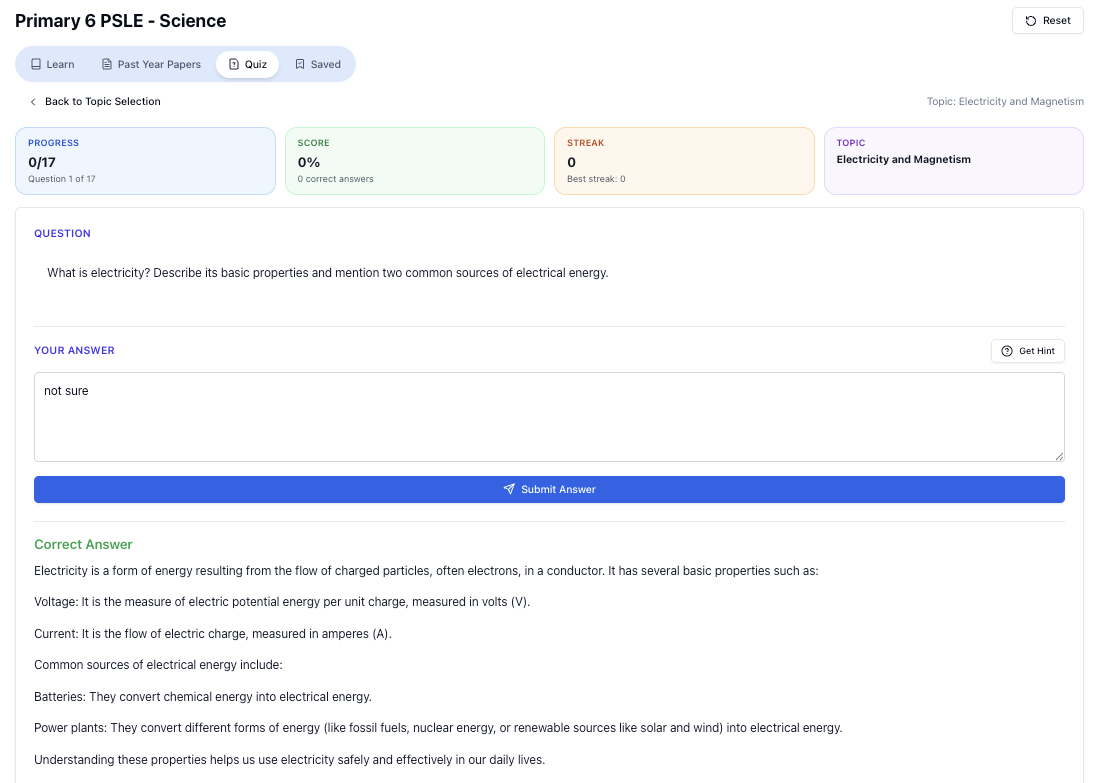
“Practice PSLE Science questions and get clear, step-by-step answers instantly.”
👉 Try a question now and see how fast you can improve.
Free on Tutorly.sg
Practise Organic chemistry with step-by-step help — free to start
On Tutorly.sg/app you can practise unlimited Singapore syllabus questions, get instant explanations when you are stuck, and use past-year papers — no sign-up needed to start.
- ✓ PSLE, O Level, A Level, and more
- ✓ Step-by-step working when you are stuck
- ✓ Works on phone and laptop