

Free on Tutorly.sg
Practise Fractions with step-by-step help — free to start
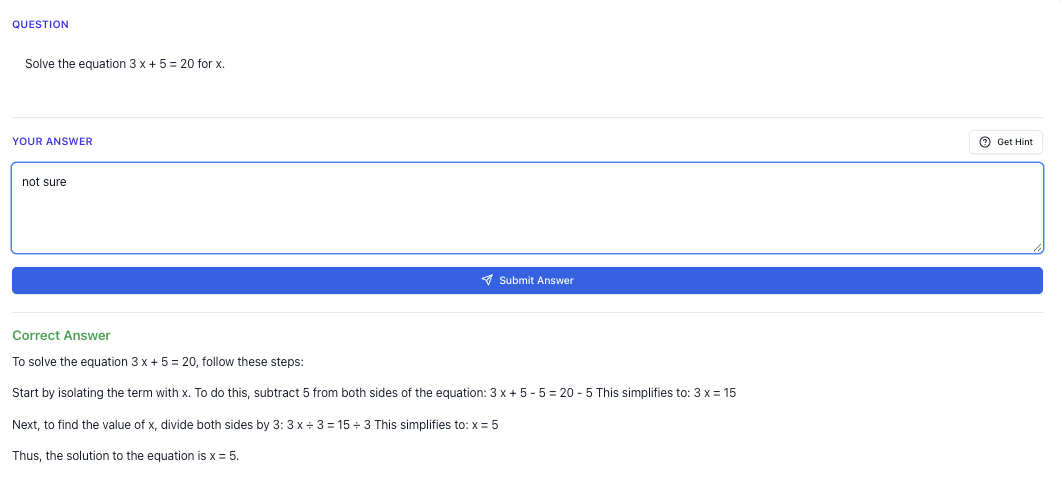
On Tutorly.sg/app you can practise unlimited Singapore syllabus questions, get instant explanations when you are stuck, and use past-year papers — no sign-up needed to start.
- ✓ PSLE, O Level, A Level, and more
- ✓ Step-by-step working when you are stuck
- ✓ Works on phone and laptop
Quick answer
Fractions often trip up Primary students in Singapore because they can't visualise the numbers and operations. It's not about being bad at maths; it's about missing some basics. With clear steps and daily practice, you'll find fractions easier to manage.
“Stuck on a question? See simple explanations that help you understand fast.”
👉 Give it a try and turn confusion into clarity in minutes.
What you need to know
Fractions are numbers that represent parts of a whole, like slices of a pizza. The top part is the numerator (how many parts you have), and the bottom is the denominator (how many parts make up a whole pizza).
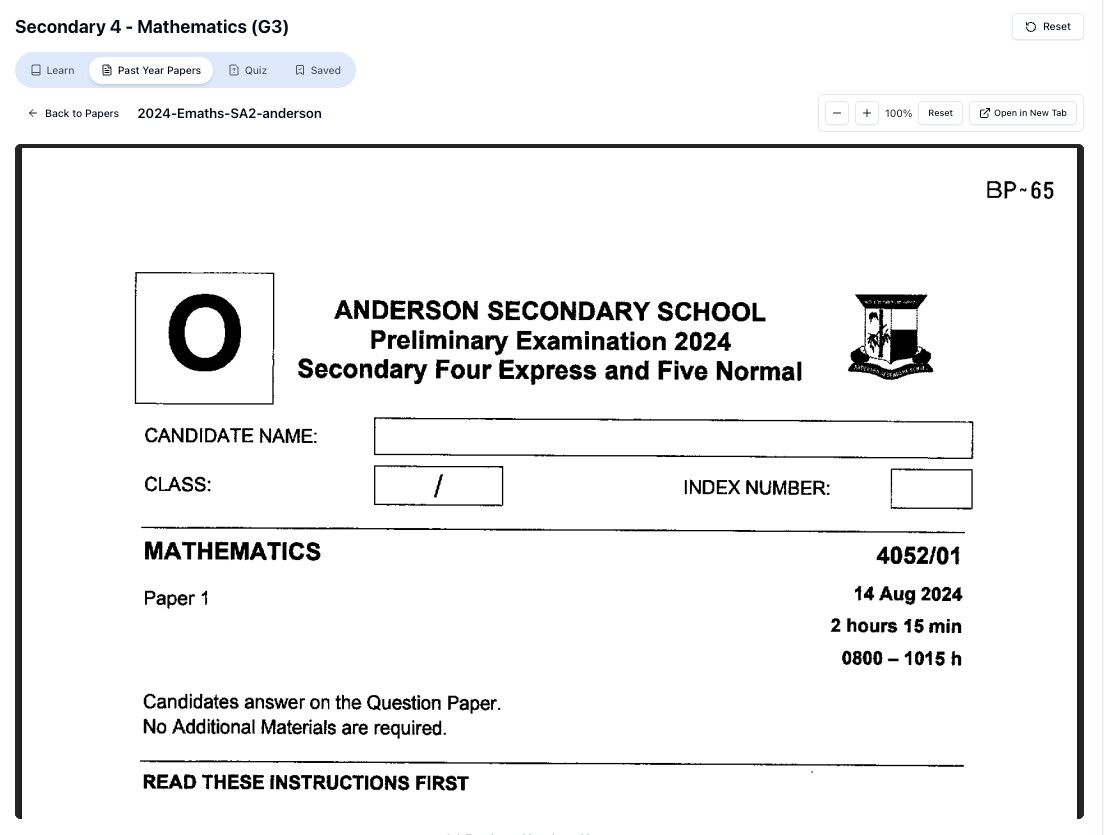
“Access more than 1000+ past year papers to practice”
👉 Start a paper today and test yourself like it’s the real exam.
Understanding Fractions
When I teach fractions, I often see students' eyes glaze over. It's not because they can't do it; it's usually because they're not seeing the fractions as real things. Think of fractions as pieces of your favourite cake. If the whole cake has 8 slices and you take 3, you've got of the cake.
Visualising Fractions
Let's imagine a simple story. Picture this: You're sharing a roti prata with three friends. You cut it into 4 equal pieces. Each piece is a fraction of the prata. This means each piece is of the whole prata.
Parents are often surprised that visual stories like this help kids remember better than just doing sums in assessment books. Have a small daily revision with your child using objects at home. It works wonders!
Quick check
- If you have 5 oranges and give away 2, what fraction of the oranges did you give away?
- If a chocolate bar is divided into 10 pieces and you eat 7, what fraction is left?
Answers: 1. 2.
Common mistakes students make
Mistake 1: Adding Fractions Incorrectly
This is a big one. Many students add the numerators and denominators separately, like this: . But that's not right.
Fix: When adding fractions with the same denominator, keep the denominator the same and just add the numerators: .
Mistake 2: Forgetting to Simplify
Sometimes, after finding the answer, students forget to simplify their fractions. So, stays as it is, instead of becoming .
Fix: Always check if the fraction can be simplified. Simplifying means making the numbers smaller but keeping the fraction the same size.
Exam tip
For exams, always remember to write neatly and show each step clearly. Examiners award marks for correct steps, even if the final answer isn't right. Practice with timed questions to get used to the pressure.
Worked examples
Question
Add and .
Solution
“Doing Secondary Science? Pick a topic and practise like it’s a real exam — with clear answers right after.”
👉 Try Tutorly now and start a Science topic in seconds.

Step 1: Check if the denominators are the same.
Why: You can only add fractions directly if the denominators are the same.
Step 2: Add the numerators: 3 + 1 = 4.
Why: With the same denominator, only the numerators change.
Step 3: Write the result: .
Why: This is the fraction before simplification.
Step 4: Simplify: .
Why: Simplifying helps to present your answer in the simplest form.
Quick summary
- Fractions are parts of a whole, like slices of a cake.
- Use stories and visuals to help understand fractions better.
- Common mistake: Adding numerators and denominators separately.
- Always simplify your fractions.
- Practice with timed questions to prepare for exams.
FAQ
Why do I need to learn fractions?
Fractions are everywhere in real life, like when you divide food or split costs. They're also a foundation for more advanced math.
How can I get better at fractions?
Practice a little every day with real-life examples. Use objects around you to visualise the fractions.
What if I still don't understand after practising?
It's okay to ask for help. Sometimes a different explanation or a one-on-one session with a tutor can make things click.
Is it normal to struggle with fractions?
Yes, many students find fractions challenging at first. The key is not to give up. Once you understand the basics, it gets easier.
Free on Tutorly.sg
Practise Fractions with step-by-step help — free to start
On Tutorly.sg/app you can practise unlimited Singapore syllabus questions, get instant explanations when you are stuck, and use past-year papers — no sign-up needed to start.
- ✓ PSLE, O Level, A Level, and more
- ✓ Step-by-step working when you are stuck
- ✓ Works on phone and laptop
Free practice
Try it yourself
Practise similar questions with step-by-step help on Tutorly. Check it out here
- ✓ Unlimited similar questions
- ✓ Step-by-step help when you are stuck
- ✓ No sign-up needed to start
Related Topics You Should Learn Next
- Primary Mathematics Fractions: Your Complete Guide to Avoiding Common Mistakes
- Primary Mathematics: Scoring High in Fractions Without Running Out of Time
- PSLE Math: How to Score in Fractions and Ratios Without Panicking
- Topic cluster hub
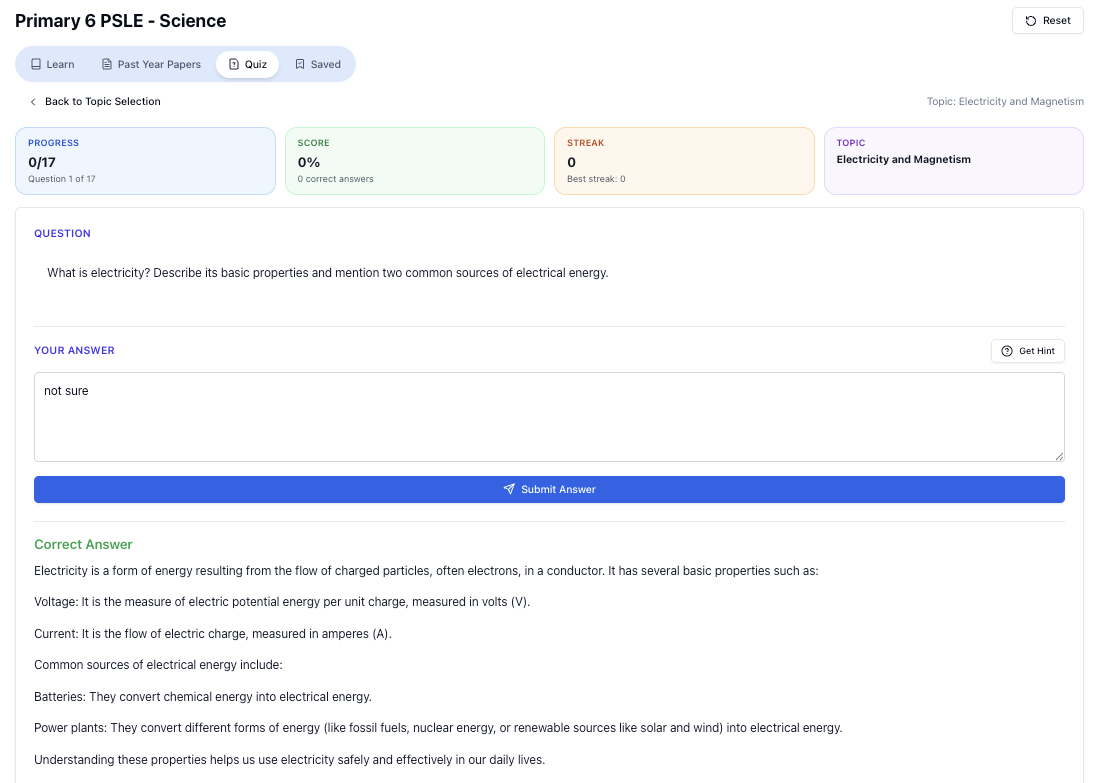
“Practice PSLE Science questions and get clear, step-by-step answers instantly.”
👉 Try a question now and see how fast you can improve.
Free on Tutorly.sg
Practise Fractions with step-by-step help — free to start
On Tutorly.sg/app you can practise unlimited Singapore syllabus questions, get instant explanations when you are stuck, and use past-year papers — no sign-up needed to start.
- ✓ PSLE, O Level, A Level, and more
- ✓ Step-by-step working when you are stuck
- ✓ Works on phone and laptop