

Free on Tutorly.sg
Practise Cell division and genetics with step-by-step help — free to start
On Tutorly.sg/app you can practise unlimited Singapore syllabus questions, get instant explanations when you are stuck, and use past-year papers — no sign-up needed to start.
- ✓ PSLE, O Level, A Level, and more
- ✓ Step-by-step working when you are stuck
- ✓ Works on phone and laptop
Quick answer
Cell division and genetics often confuse students because they rely too much on memorizing keywords without truly understanding the processes. In O Level Biology, it’s essential to grasp the "why" behind each step to answer questions accurately. Let's tackle the common mistakes and get you more confident for your exams.
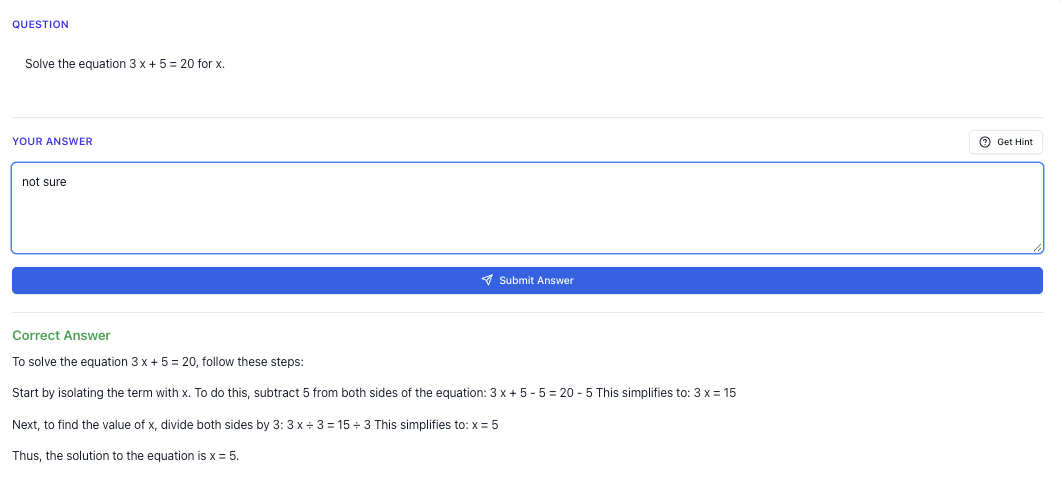
“Stuck on a question? See simple explanations that help you understand fast.”
👉 Give it a try and turn confusion into clarity in minutes.
What you need to know
Cell division is how cells multiply, crucial for growth and repair. There are two main types: mitosis (for body cells) and meiosis (for reproductive cells). Genetics, on the other hand, is the study of how traits are passed from parents to offspring. Together, they form a vital part of your O Level Biology syllabus.
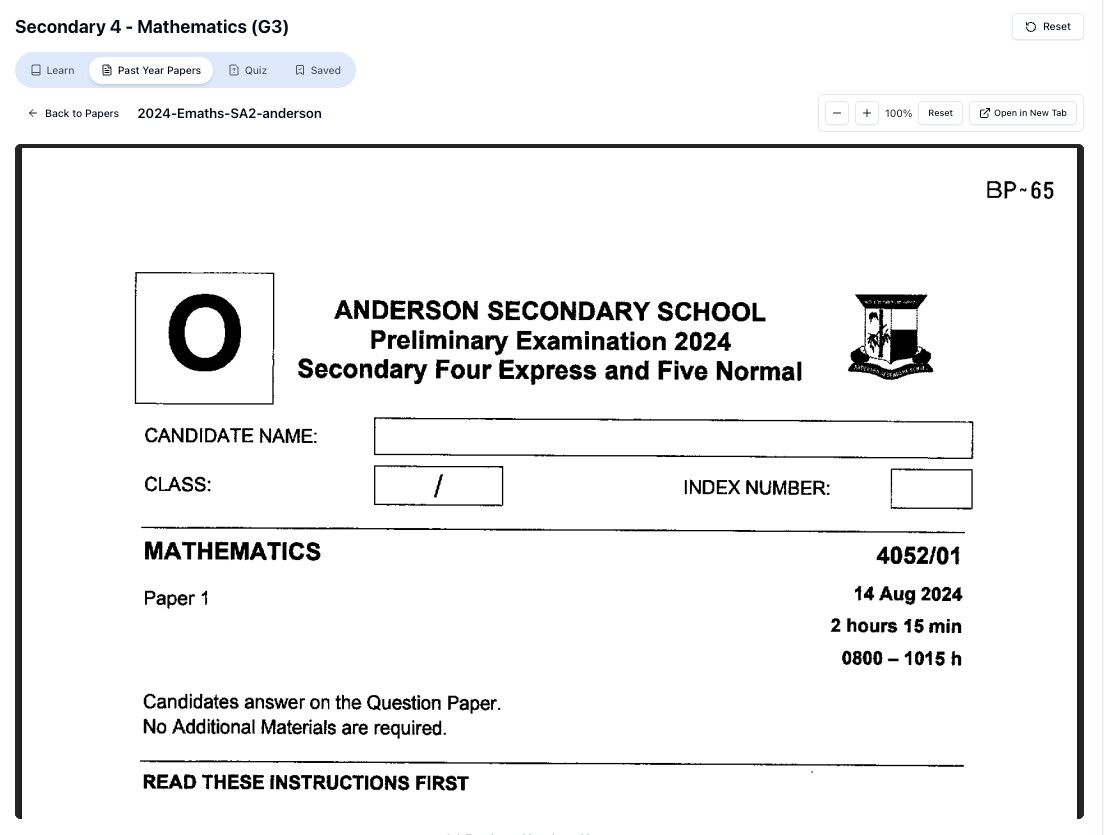
“Access more than 1000+ past year papers to practice”
👉 Start a paper today and test yourself like it’s the real exam.
Why Cell Division and Genetics Are Confusing
One mistake I repeatedly see among my Sec 4 students is focusing too much on memorizing keywords. This can lead to panic, especially when questions are phrased differently from what you're used to. The examiner is testing whether you truly understand the process, not just the terms.
How Mitosis Works
Step 1: Understand that mitosis is about cell replication to produce two identical cells.
Why: This is essential for growth and replacing old or damaged cells.
Step 2: Learn the phases: Prophase, Metaphase, Anaphase, and Telophase.
Why: Each phase has a specific role and sequence, ensuring accurate cell division.
Step 3: Remember the acronym "PMAT" to recall the order.
Why: This helps you remember the sequence during exams without stress.
How Meiosis Differs
Step 1: Know that meiosis produces four genetically different cells.
Why: This is vital for sexual reproduction and genetic diversity.
Step 2: Familiarize yourself with two rounds of division: Meiosis I and Meiosis II.
Why: Each stage reduces the chromosome number, crucial for forming gametes.
Quick check
- What’s the main purpose of mitosis?
- How does meiosis contribute to genetic diversity?
- List the phases of mitosis in order.
Answers: 1. Cell replication for growth and repair. 2. Produces genetically different gametes. 3. Prophase, Metaphase, Anaphase, Telophase.
Common mistakes students make
- Mixing up mitosis and meiosis: Remember, mitosis is for growth, meiosis is for reproduction.
- Wrong sequence of phases: Use "PMAT" for mitosis and remember meiosis has two rounds.
- General answers: Be specific. Instead of saying "cells divide," say "mitosis results in two identical daughter cells."
Exam tip
When answering O Level Biology questions, precision matters more than length. Break down your answers into steps and explain each part clearly. Check out this guide for more tips.
Worked examples
Question: Explain how mitosis and meiosis differ in their outcomes.
Solution:
Step 1: Start by stating the purpose of each process.
Why: This sets the foundation for the rest of your answer.
“Doing Secondary Science? Pick a topic and practise like it’s a real exam — with clear answers right after.”
👉 Try Tutorly now and start a Science topic in seconds.

Step 2: Describe the outcome of mitosis (two identical cells).
Why: This highlights the role of mitosis in growth and repair.
Step 3: Explain the outcome of meiosis (four genetically diverse cells).
Why: This shows how meiosis contributes to genetic variation.
Step 4: Conclude with a comparison of the two processes.
Why: Directly comparing helps clarify the differences in exam conditions.
Quick summary
- Mitosis results in two identical cells for growth.
- Meiosis results in four diverse cells for reproduction.
- Use "PMAT" to remember mitosis phases.
- Be specific in answers to avoid losing marks.
- Understand the processes, not just the keywords.
FAQ
Q: Why do I mix up mitosis and meiosis?
A: It’s common to confuse them. Remember, mitosis is for growth (identical cells), and meiosis is for reproduction (diverse cells).
Q: How can I remember the phases of mitosis?
A: Use the acronym "PMAT" to remember Prophase, Metaphase, Anaphase, and Telophase.
Q: What’s the biggest mistake students make in genetics?
A: General answers. Be specific about processes like allele segregation in meiosis.
Q: How do I improve my exam answers?
A: Break down your answers into clear steps. Explain each part, even if it seems obvious.
Free on Tutorly.sg
Practise Cell division and genetics with step-by-step help — free to start
On Tutorly.sg/app you can practise unlimited Singapore syllabus questions, get instant explanations when you are stuck, and use past-year papers — no sign-up needed to start.
- ✓ PSLE, O Level, A Level, and more
- ✓ Step-by-step working when you are stuck
- ✓ Works on phone and laptop
Free practice
Try it yourself
Practice more questions on cell division and genetics with step-by-step help on Tutorly
- ✓ Unlimited similar questions
- ✓ Step-by-step help when you are stuck
- ✓ No sign-up needed to start
Related Topics You Should Learn Next
- How to Score in O Level Biology: Cell Division and Genetics
- Avoid These Cell Division and Genetics Mistakes
- Cracking Cell Division and Genetics
- Mastering Cell Division and Genetics
- Topic cluster hub
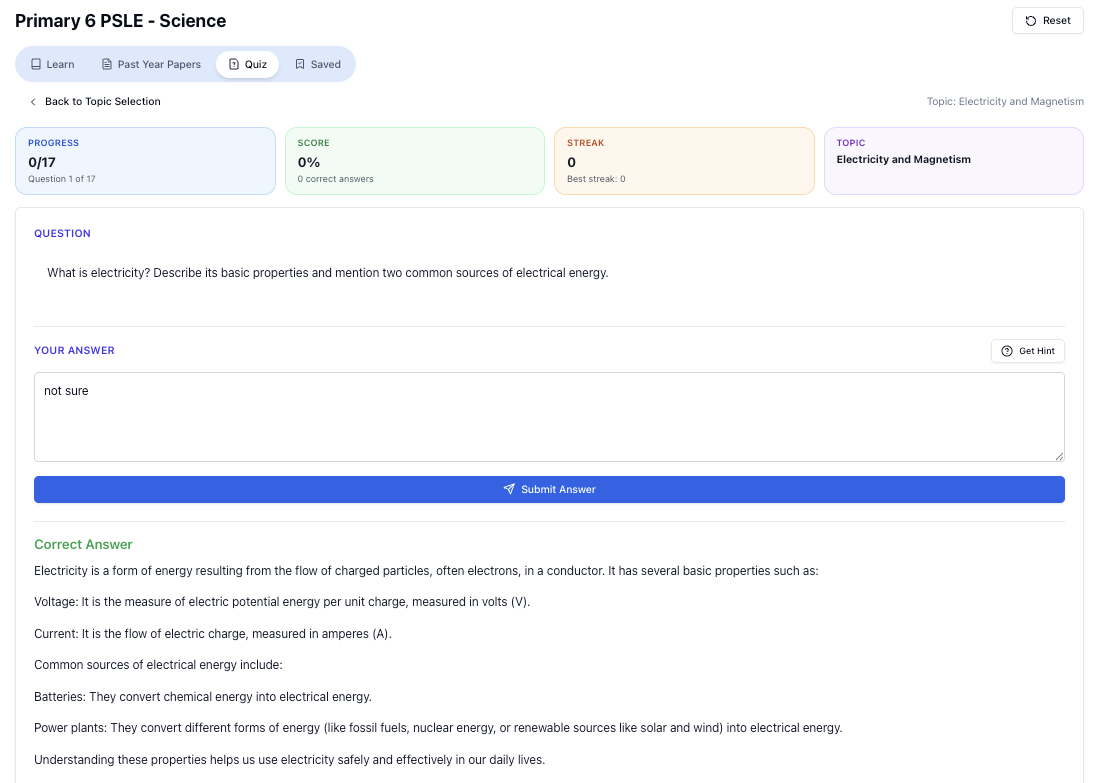
“Practice PSLE Science questions and get clear, step-by-step answers instantly.”
👉 Try a question now and see how fast you can improve.
Free on Tutorly.sg
Practise Cell division and genetics with step-by-step help — free to start
On Tutorly.sg/app you can practise unlimited Singapore syllabus questions, get instant explanations when you are stuck, and use past-year papers — no sign-up needed to start.
- ✓ PSLE, O Level, A Level, and more
- ✓ Step-by-step working when you are stuck
- ✓ Works on phone and laptop