

Free on Tutorly.sg
Practise Comprehension with step-by-step help — free to start
On Tutorly.sg/app you can practise unlimited Singapore syllabus questions, get instant explanations when you are stuck, and use past-year papers — no sign-up needed to start.
- ✓ PSLE, O Level, A Level, and more
- ✓ Step-by-step working when you are stuck
- ✓ Works on phone and laptop
Quick answer
Feeling stuck on PSLE comprehension questions? Losing marks even when you know the answers? Let's fix those awkward sentences and common mistakes together, so you can score higher with confidence.
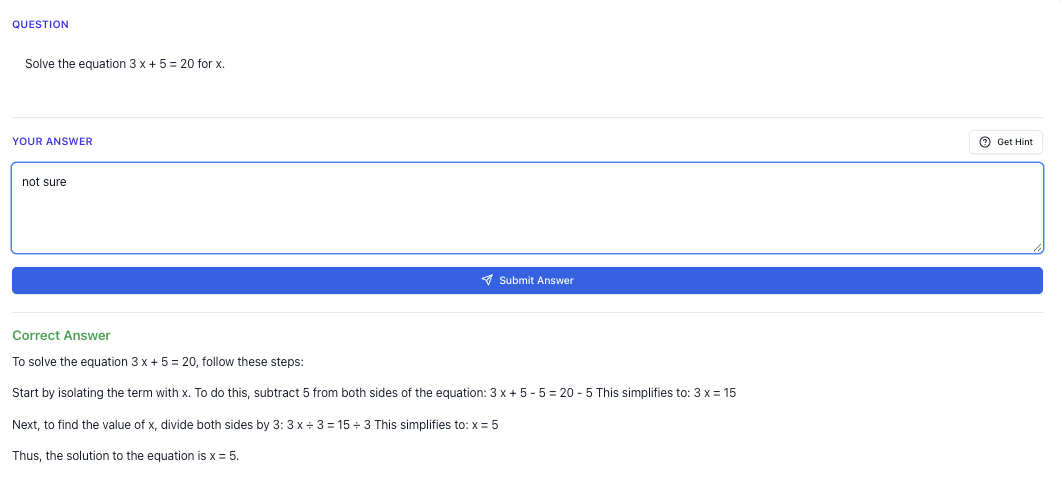
“Stuck on a question? See simple explanations that help you understand fast.”
👉 Give it a try and turn confusion into clarity in minutes.
What you need to know
Comprehension tests your understanding of a passage and your ability to answer questions about it. It's not just about reading but also about expressing your understanding clearly. Many students know grammar rules but still write sentences that sound unnatural, which costs them marks.
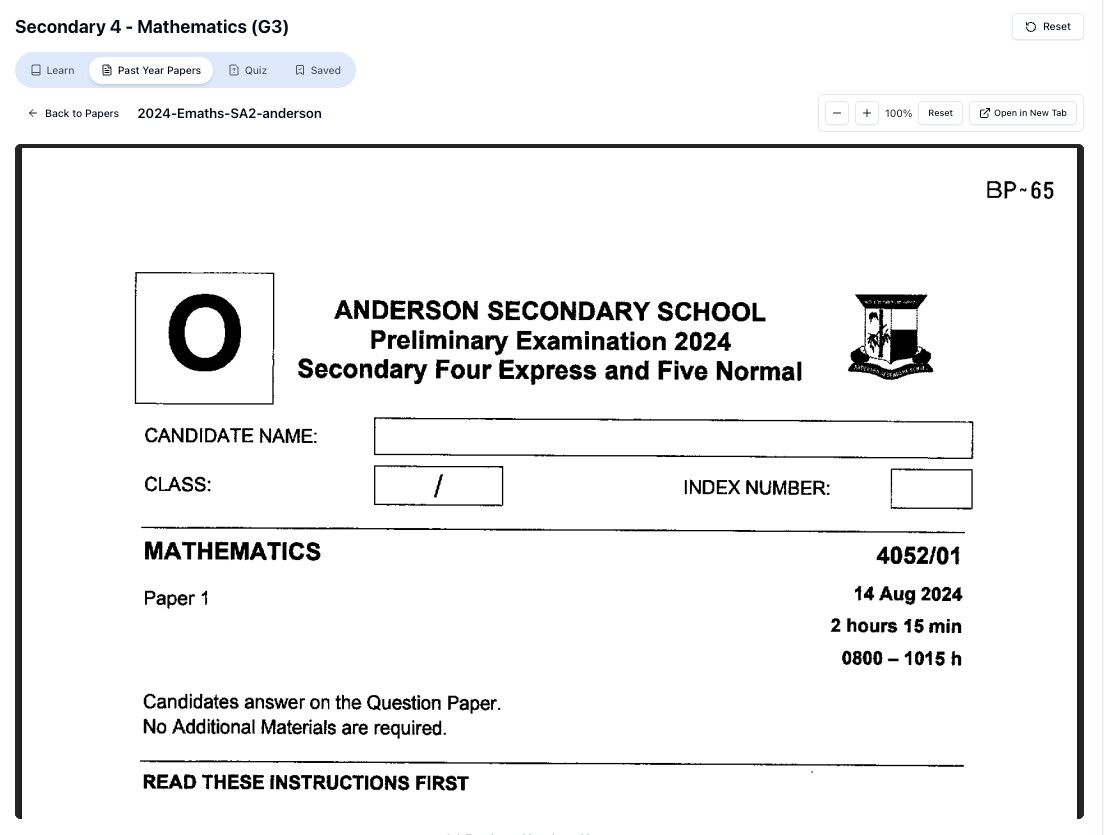
“Access more than 1000+ past year papers to practice”
👉 Start a paper today and test yourself like it’s the real exam.
Common Mistakes and How to Fix Them
Awkward Sentences
Many students write sentences that are correct but sound awkward. This often happens when you translate directly from your mother tongue.
Example:
- Awkward: "The boy was very tired and he slept."
- A more natural way to say this is: "The tired boy fell asleep."
Overusing Difficult Words
Students often memorise big words they can't use well. It's better to use simple words correctly.
Example:
- Awkward: "The protagonist was in a state of melancholy."
- Better: "The main character was feeling sad."
Direct Translation Issues
In Singapore's multilingual environment, students sometimes translate phrases directly, which sounds unnatural.
Example:
- Awkward: "He is having a headache."
- Native speakers usually phrase it like this: "He has a headache."
Revision checklist
- Check for awkward sentences: Read your answers aloud. If it sounds strange, try rephrasing.
- Use simple words: Only use words you are comfortable with.
- Avoid direct translations: Think about how native speakers would say it.
- Stay on topic: Answer what's asked, don't add extra information.
Exam tip
Time management: Spend about 10 minutes reading the passage and 5 minutes on each question. This helps you stay calm and focused.
Worked examples
Question
"What is the main idea of the passage?"
Solution
Step 1: Read the passage carefully.
Why: Understanding the whole passage helps you get the gist.
Step 2: Underline or note down key points.
Why: This helps you quickly find the main idea.
“Doing Secondary Science? Pick a topic and practise like it’s a real exam — with clear answers right after.”
👉 Try Tutorly now and start a Science topic in seconds.

Step 3: Write a short summary of the passage.
Why: A summary captures the main idea without extra details.
Quick check
Try rephrasing this awkward sentence: "The girl was happy because she got a present."
Answer: "The girl was delighted with her gift."
Quick summary
- Avoid awkward sentences by rephrasing in simple English.
- Use words you are familiar with.
- Manage your time well during exams.
- Practice summarising passages.
- Focus on the main idea, not extra details.
FAQ
Q: How can I improve my comprehension skills?
Practice reading different types of texts and summarising them.
Q: What if I don't understand a word in the passage?
Try to guess its meaning from the context or skip it if it's not essential.
Q: How do I avoid writing awkward sentences?
Read your sentences aloud to check if they sound natural.
Q: What should I do if I run out of time?
Prioritise answering questions with higher marks first.
Free on Tutorly.sg
Practise Comprehension with step-by-step help — free to start
On Tutorly.sg/app you can practise unlimited Singapore syllabus questions, get instant explanations when you are stuck, and use past-year papers — no sign-up needed to start.
- ✓ PSLE, O Level, A Level, and more
- ✓ Step-by-step working when you are stuck
- ✓ Works on phone and laptop
Free practice
Try it yourself
Practise similar comprehension questions with step-by-step help on Tutorly
- ✓ Unlimited similar questions
- ✓ Step-by-step help when you are stuck
- ✓ No sign-up needed to start
Related Topics You Should Learn Next
- PSLE English Comprehension Answering in Singapore: How to Score Full Marks
- PSLE English Comprehension Practice in Singapore: How To Use Worksheet Practice The Smart Way
- PSLE English Comprehension Common Mistakes: Avoid These Traps
- PSLE English Comprehension: Fixing Awkward Answers and Scoring Higher
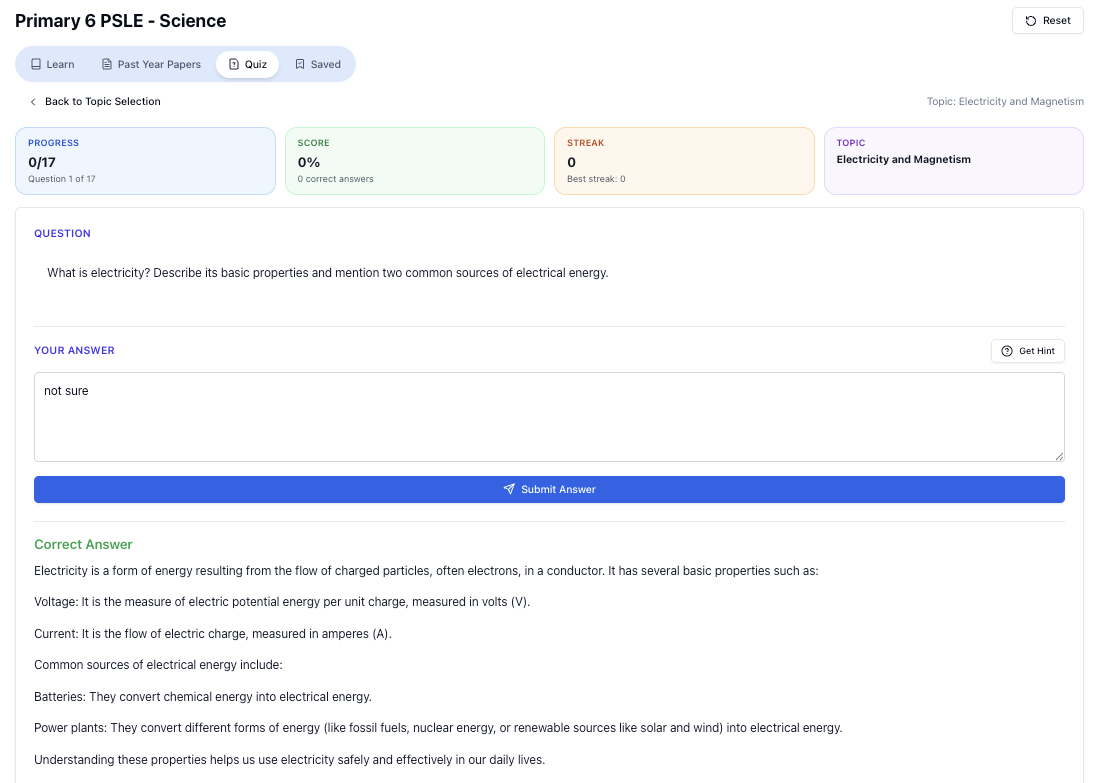
“Practice PSLE Science questions and get clear, step-by-step answers instantly.”
👉 Try a question now and see how fast you can improve.
Free on Tutorly.sg
Practise Comprehension with step-by-step help — free to start
On Tutorly.sg/app you can practise unlimited Singapore syllabus questions, get instant explanations when you are stuck, and use past-year papers — no sign-up needed to start.
- ✓ PSLE, O Level, A Level, and more
- ✓ Step-by-step working when you are stuck
- ✓ Works on phone and laptop