

Free on Tutorly.sg
Practise Number sense and operations with step-by-step help — free to start
On Tutorly.sg/app you can practise unlimited Singapore syllabus questions, get instant explanations when you are stuck, and use past-year papers — no sign-up needed to start.
- ✓ PSLE, O Level, A Level, and more
- ✓ Step-by-step working when you are stuck
- ✓ Works on phone and laptop
Quick answer
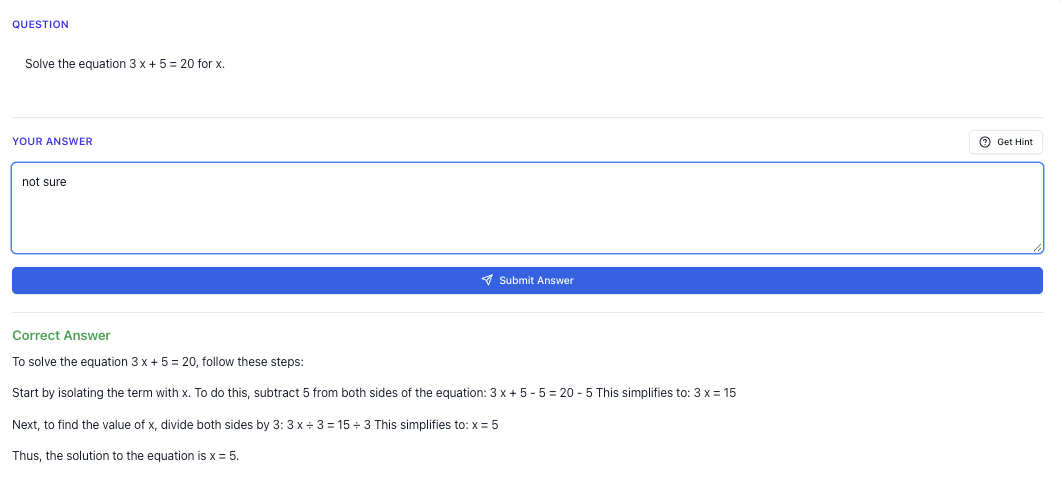
Ever felt your heart sink when you see a math question you thought you knew? Then you lose marks because your working wasn't clear? Today, I’ll show you how to avoid common mistakes and make sure your answers score in real exams.
“Stuck on a question? See simple explanations that help you understand fast.”
👉 Give it a try and turn confusion into clarity in minutes.
What you need to know
Number sense and operations involve understanding numbers and how to use them in calculations. It includes addition, subtraction, multiplication, and division. We need to be able to see numbers in our heads and use them easily in different ways.
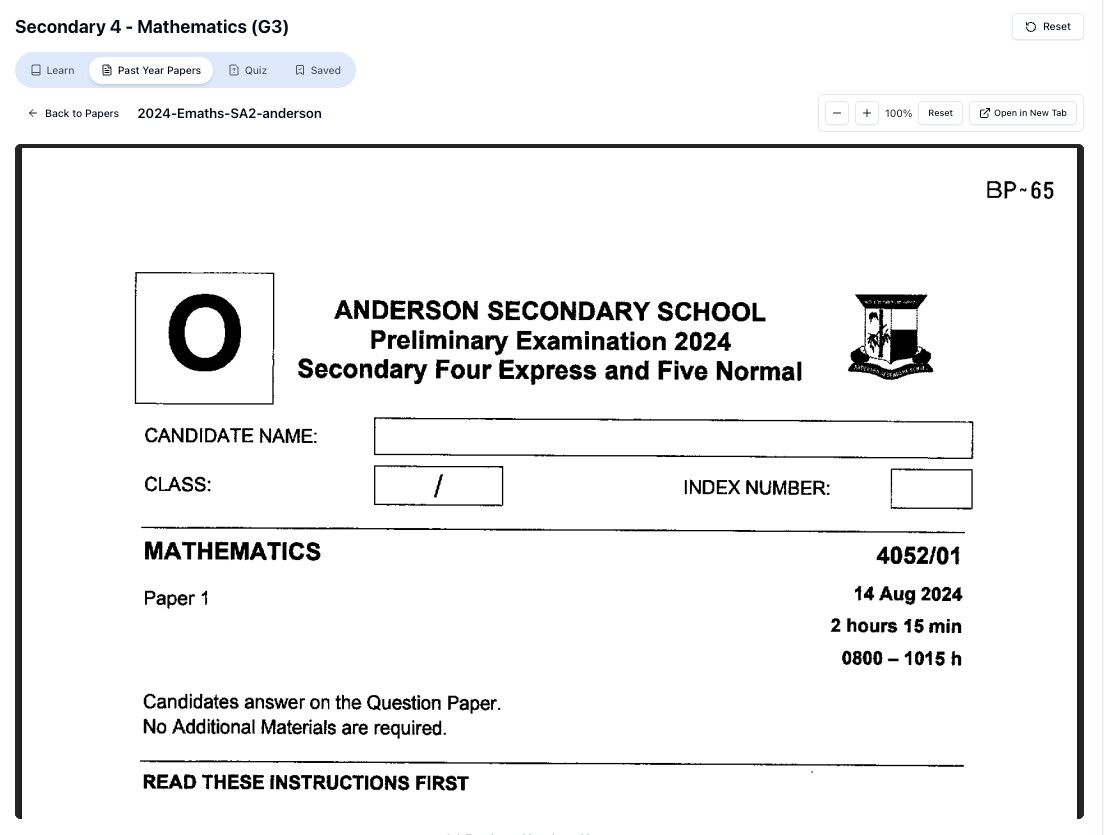
“Access more than 1000+ past year papers to practice”
👉 Start a paper today and test yourself like it’s the real exam.
Common mistakes students make
-
Skipping Steps: Students often skip steps in their working because they think they know the answer. This can lead to losing marks if the answer is wrong or unclear. Always write every step clearly.
-
Misplacing Decimal Points: Decimal points are small but mighty. Misplacing them can change your whole answer. Double-check where your decimal point is in every step.
-
Forget to Carry Over: In addition and subtraction, forgetting to carry over numbers is a common slip. Remember to check that you've carried over correctly.
-
Sign Errors: Mixing up addition and subtraction signs can easily happen. Take a moment to check if you're using the right operation.
-
Not Checking Work: Many students are in such a rush that they don't check their answers. Always take a moment to go over your work and see if it makes sense.
Exam tip
When solving number sense questions, always show your working. Even if your final answer is wrong, you can still get marks for the correct method. Also, keep an eye on your time. Spend only a few minutes on each question to make sure you finish the paper.
Worked examples
Question 1
Calculate 45.6 + 8.29.
Solution
Step 1: Line up the numbers by the decimal point.
Why: This helps you add the numbers correctly without confusing the decimal placement.
Step 2: Add from the rightmost digit to the left.
Why: Starting from the smallest place value (tenths) ensures you carry over numbers correctly.
Step 3: Write down the total: $53.89.
Why: Ensure the decimal point in your answer is aligned with the numbers you added.
Quick check
Try these on your own:
“Doing Secondary Science? Pick a topic and practise like it’s a real exam — with clear answers right after.”
👉 Try Tutorly now and start a Science topic in seconds.

- 23.45 - 5.67
Quick summary
- Always show your working.
- Double-check decimal points.
- Remember to carry over in addition and subtraction.
- Use the correct sign for operations.
- Take a moment to review your answer.
FAQ
Q: How do I remember to carry over in addition?
A: Practice makes perfect! A simple trick I teach my students is to say "carry" out loud each time you do it. This helps reinforce the habit.
Q: Why is my decimal point always in the wrong place?
A: Make sure you line up the numbers by the decimal point before doing any calculations. Use graph paper if it helps keep your work neat.
Q: I always mix up addition and subtraction signs. Any tips?
A: Slow down and circle the sign in the question. This makes it stand out and reminds you what operation to use.
Q: How can I get better at checking my work?
A: After solving, cover your answer and try solving it again quickly. If both answers match, you're likely correct.
Free on Tutorly.sg
Practise Number sense and operations with step-by-step help — free to start
On Tutorly.sg/app you can practise unlimited Singapore syllabus questions, get instant explanations when you are stuck, and use past-year papers — no sign-up needed to start.
- ✓ PSLE, O Level, A Level, and more
- ✓ Step-by-step working when you are stuck
- ✓ Works on phone and laptop
Free practice
Try it yourself
Practise more similar questions with step-by-step help on Tutorly
- ✓ Unlimited similar questions
- ✓ Step-by-step help when you are stuck
- ✓ No sign-up needed to start
Related Topics You Should Learn Next
- Primary Math: Understanding Fractions
- Primary Math: Introduction to Decimals
- Primary Math: Multiplication and Division Strategies
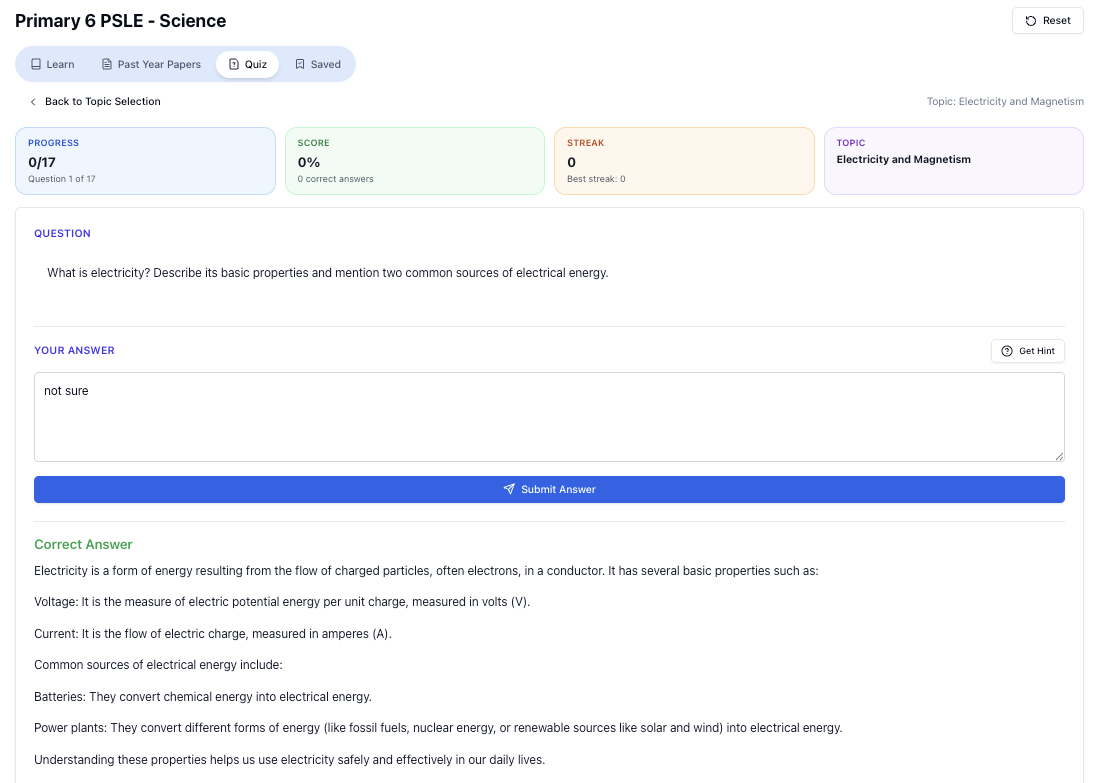
“Practice PSLE Science questions and get clear, step-by-step answers instantly.”
👉 Try a question now and see how fast you can improve.
Free on Tutorly.sg
Practise Number sense and operations with step-by-step help — free to start
On Tutorly.sg/app you can practise unlimited Singapore syllabus questions, get instant explanations when you are stuck, and use past-year papers — no sign-up needed to start.
- ✓ PSLE, O Level, A Level, and more
- ✓ Step-by-step working when you are stuck
- ✓ Works on phone and laptop