

Free on Tutorly.sg
Practise Comprehension with step-by-step help — free to start
On Tutorly.sg/app you can practise unlimited Singapore syllabus questions, get instant explanations when you are stuck, and use past-year papers — no sign-up needed to start.
- ✓ PSLE, O Level, A Level, and more
- ✓ Step-by-step working when you are stuck
- ✓ Works on phone and laptop
Quick answer
If your heart sinks when you see comprehension questions, you're not alone. Many students lose marks even when they know the answer. Let's go through some quick tips to help you score better without last-minute cramming.
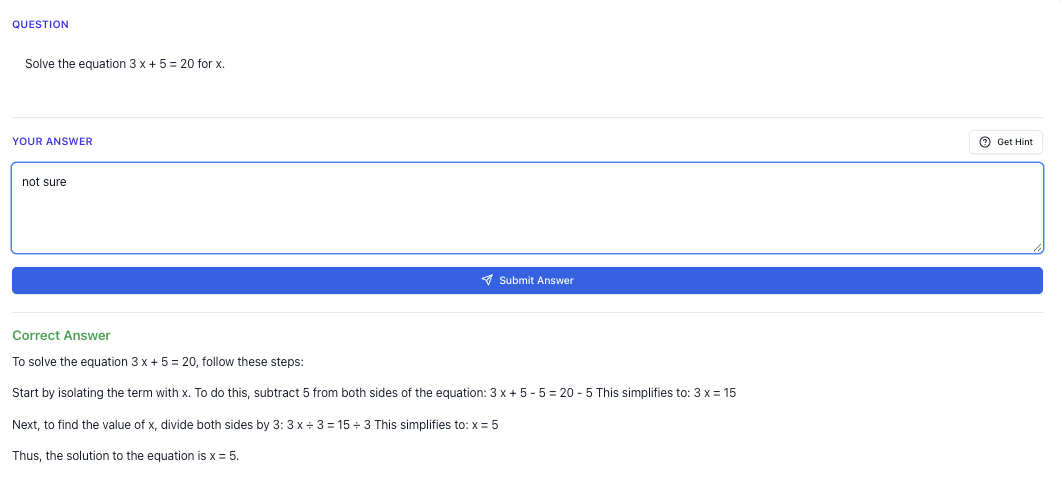
“Stuck on a question? See simple explanations that help you understand fast.”
👉 Give it a try and turn confusion into clarity in minutes.
What you need to know
Comprehension is about understanding and interpreting a passage. You need to answer questions based on what you read. It's not about using difficult words but about making your answers clear and to the point.
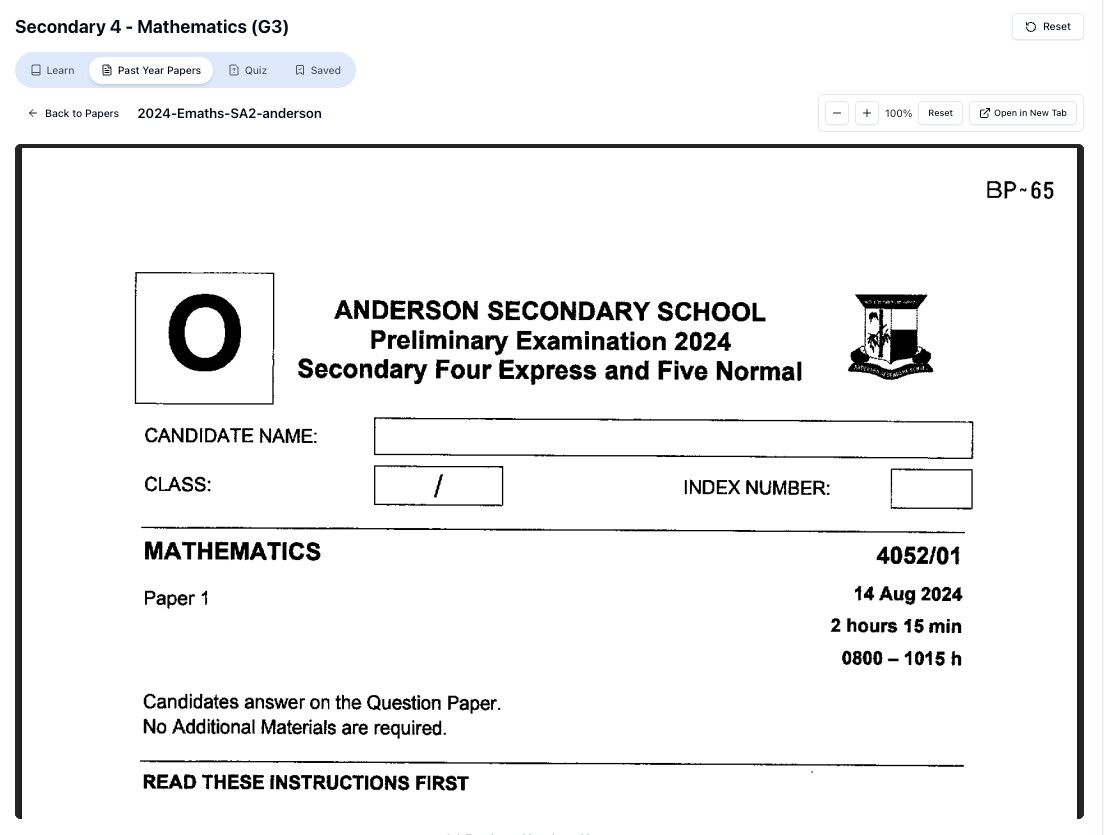
“Access more than 1000+ past year papers to practice”
👉 Start a paper today and test yourself like it’s the real exam.
Common Mistakes in Primary Comprehension
Awkward Phrasing
Many students write grammatically correct sentences that sound awkward. This happens when you translate directly from your mother tongue.
Example:
- Awkward: "She is having a pen."
- Natural: "She has a pen."
- Why: Native speakers usually phrase it like the second example.
Overusing Difficult Vocabulary
Memorising big words can backfire if you're not confident using them. Clarity is more important than showing off vocabulary.
Example:
- Complex: "The protagonist's demeanor was exceedingly melancholic."
- Clear: "The main character was very sad."
- Why: A more natural way to say this is using simple words everyone understands.
Direct Translation
This is a common issue in Singapore where students think in their mother tongue first.
Example:
- Direct Translation: "I go school already."
- Correct: "I have already gone to school."
- Why: This sentence sounds awkward because it follows a non-English structure.
Revision checklist
- Read the passage carefully: Don't skim. Important details are often missed this way.
- Answer in complete sentences: Avoid one-word answers unless asked for.
- Use your own words: Don't copy from the passage unless it's a direct quote question.
- Check for awkward phrasing: Read your answers aloud to catch odd-sounding sentences.
- Stay on topic: Make sure your answer directly addresses the question.
Exam tip
Don't rush. Spend a few minutes planning your answers. This will make your answers clearer and more organised, helping you save marks.
Worked example
Question
Read the passage and answer: What did the main character learn from his experience?
Solution
Step 1: Read the passage carefully.
Why: You need to understand the context before answering.
Step 2: Identify the main character's experience.
Why: Find the specific part in the passage that relates to the question.
“Doing Secondary Science? Pick a topic and practise like it’s a real exam — with clear answers right after.”
👉 Try Tutorly now and start a Science topic in seconds.

Step 3: Use your own words to explain what the character learned.
Why: This shows you understand the passage and aren't just copying.
Step 4: Check for clarity and awkward phrasing.
Why: Make sure your answer sounds natural and directly addresses the question.
Quick summary
- Read passages carefully, don't rush.
- Use simple, clear language in your answers.
- Avoid direct translations from your mother tongue.
- Answer in complete sentences.
- Spend time planning your answers to avoid mistakes.
FAQ
1. How can I improve my comprehension skills?
Read a variety of texts regularly and practice summarising what you read in your own words.
2. Why do I lose marks even when my answers are correct?
Often, it's due to awkward phrasing or not answering in full sentences. Clarity is key.
3. Should I use big words to impress the examiner?
No, focus on being clear and concise. Big words can confuse if not used properly.
4. How do I stop translating from my mother tongue?
Practice thinking in English by reading and speaking more in the language.
5. What if I don't understand a word in the passage?
Try to understand the sentence using context clues. Don't panic; focus on the overall meaning.
Free on Tutorly.sg
Practise Comprehension with step-by-step help — free to start
On Tutorly.sg/app you can practise unlimited Singapore syllabus questions, get instant explanations when you are stuck, and use past-year papers — no sign-up needed to start.
- ✓ PSLE, O Level, A Level, and more
- ✓ Step-by-step working when you are stuck
- ✓ Works on phone and laptop
Free practice
Try it yourself
Practice similar comprehension questions with step-by-step help on Tutorly
- ✓ Unlimited similar questions
- ✓ Step-by-step help when you are stuck
- ✓ No sign-up needed to start
Related Topics You Should Learn Next
- Primary English Language Comprehension: Mastering the Basics for Exams
- Primary English Comprehension: How to Avoid Common Mistakes
- Primary English Comprehension: Why Students Struggle and How to Overcome It
- Primary English Comprehension: How to Score More Marks Without Panicking
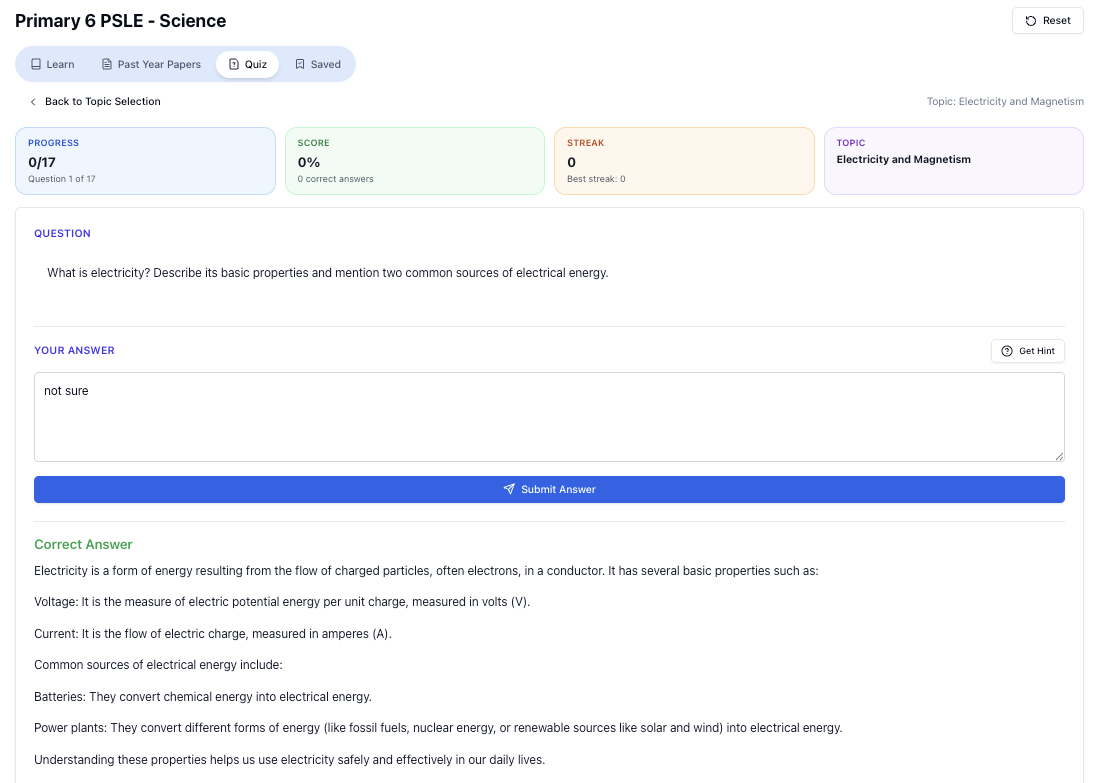
“Practice PSLE Science questions and get clear, step-by-step answers instantly.”
👉 Try a question now and see how fast you can improve.
Free on Tutorly.sg
Practise Comprehension with step-by-step help — free to start
On Tutorly.sg/app you can practise unlimited Singapore syllabus questions, get instant explanations when you are stuck, and use past-year papers — no sign-up needed to start.
- ✓ PSLE, O Level, A Level, and more
- ✓ Step-by-step working when you are stuck
- ✓ Works on phone and laptop