

Free on Tutorly.sg
Practise Source-based case study with step-by-step help — free to start
On Tutorly.sg/app you can practise unlimited Singapore syllabus questions, get instant explanations when you are stuck, and use past-year papers — no sign-up needed to start.
- ✓ PSLE, O Level, A Level, and more
- ✓ Step-by-step working when you are stuck
- ✓ Works on phone and laptop
Quick answer
That sinking feeling when you see a source-based question in your Social Studies paper can be tough. You're not alone if you worry about losing marks even when your answers seem right. By practising with questions that mirror the actual O Level exams, you'll gain confidence and know exactly where to improve.
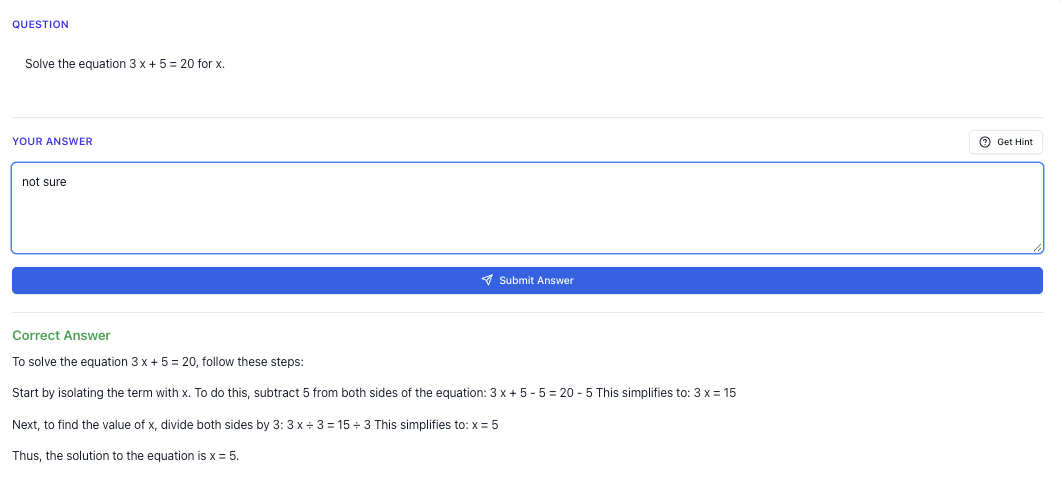
“Stuck on a question? See simple explanations that help you understand fast.”
👉 Give it a try and turn confusion into clarity in minutes.
What you need to know
Source-based case studies in O Level Social Studies are questions where you analyze given sources like text, pictures, or graphs. You need to use these sources to answer questions. It's not just about what you know, but how you apply it.
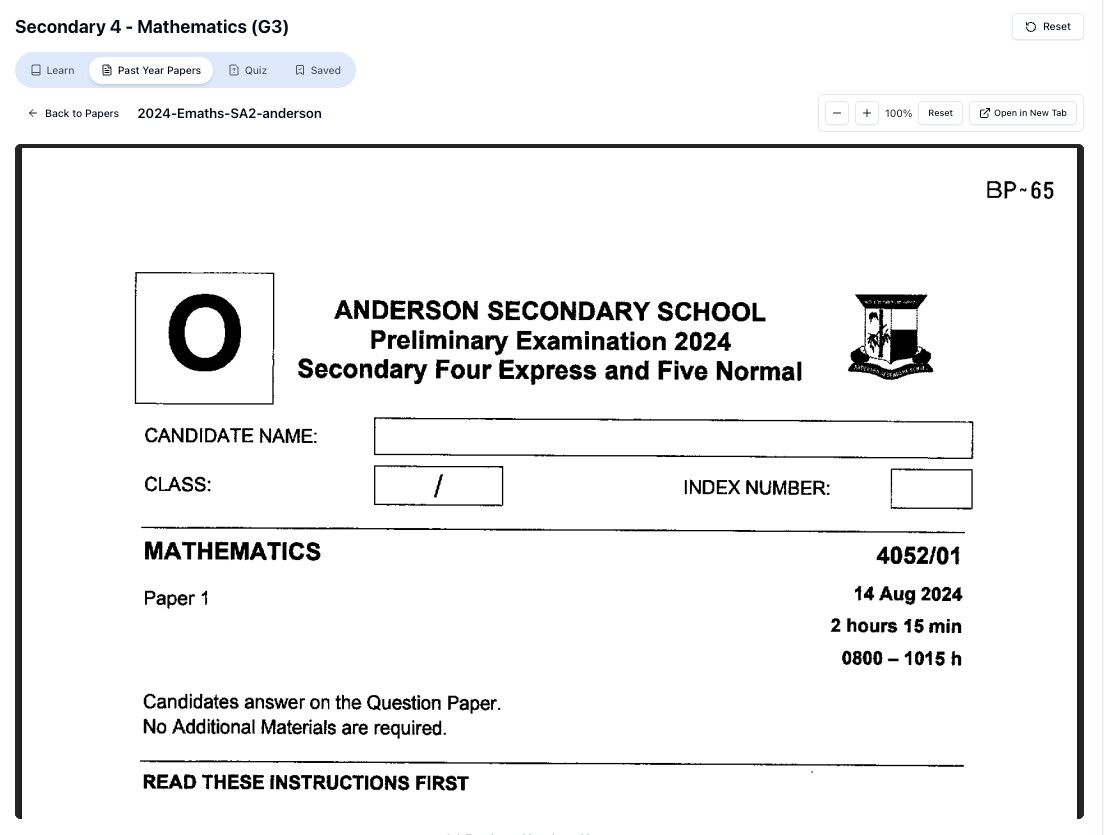
“Access more than 1000+ past year papers to practice”
👉 Start a paper today and test yourself like it’s the real exam.
Practice Questions
Question 1
Source A: A photograph showing a busy hawker center in Singapore with people of different ethnicities dining together.
Question: How does Source A reflect the importance of racial harmony in Singapore?
Solution
Step 1: Identify the main elements in Source A.
Why: Understanding the elements helps you see what the source is trying to show.
Step 2: Describe the scene in the photo, focusing on the mix of ethnicities.
Why: Describing helps set up your explanation of racial harmony.
Step 3: Explain how these elements show racial harmony, using examples like shared spaces and interactions.
Why: This links what you see to the concept of racial harmony, which answers the question.
Question 2
Source B: An excerpt from a speech by a government official about the importance of bilingual education.
Question: What is the purpose of Source B, and how does it support the government's language policy?
Solution
Step 1: Read the source carefully to identify key points.
Why: This helps you understand what the source is saying.
Step 2: Identify the purpose of the speech, such as promoting bilingual education.
Why: Knowing the purpose helps you connect it to government policy.
Step 3: Explain how the key points support the language policy.
Why: This shows your ability to link the source to broader concepts.
Question 3
Source C: A cartoon depicting a student struggling with exam stress, with various thought bubbles showing different worries.
Question: How might Source C be used to discuss the pressures faced by students in Singapore?
Solution
Step 1: Look at the cartoon and note the main features like the student and thought bubbles.
Why: These features tell you what the cartoon is about.
Step 2: Describe what each thought bubble represents.
Why: This gives detail to what pressures are shown.
Step 3: Explain how these pressures reflect real student experiences.
Why: This ties the cartoon to actual issues faced by students.
Common mistakes students make
-
Misinterpreting Sources: Sometimes, students assume what a source means without reading it carefully. Solution: Always read the source twice to catch details you missed the first time.
-
Ignoring Context: Forgetting the context of the source can lead to wrong answers. Solution: Think about when and why the source was created.
-
Weak Explanations: Just stating facts from the source without linking them to the question. Solution: Always connect the source back to the question's requirements.
Exam tip
Spend time understanding the different types of questions you might face, such as inference, comparison, and purpose. Practice allocating time for each question type so you don't rush your answers. Remember, presentation counts, so keep your answers clear and structured.
Quick check
- What is the purpose of a source-based case study question?
- How can you ensure your answers are linked back to the question?
- Why is it important to understand the context of a source?
Answers:
- To analyze and interpret sources to answer questions.
- By consistently referring to the question's requirements and using evidence from the source.
- It helps in understanding why the source was created and its intended message.
Quick summary
- Source-based questions test your analysis skills, not just knowledge.
- Always read and understand the source fully before answering.
- Link your observations directly to the question.
- Common mistakes include misinterpreting sources and ignoring context.
- Practice with different question types to manage your exam time well.
FAQ
Q: How do I start analyzing a source?
A: Begin by identifying the key features or main ideas in the source. This sets the foundation for your analysis.
Q: What if I don't understand the source?
A: Take a deep breath and read it again, slowly. Break it down into smaller parts and see what each part means.
Q: How much detail should I include in my answers?
A: Enough to clearly explain your point, but keep it concise. Use evidence from the source to back up your points.
Q: Are there common words or phrases I should use in my answers?
A: Yes, phrases like "as shown in the source" or "this indicates" help link your answer to the source.
Free on Tutorly.sg
Practise Source-based case study with step-by-step help — free to start
On Tutorly.sg/app you can practise unlimited Singapore syllabus questions, get instant explanations when you are stuck, and use past-year papers — no sign-up needed to start.
- ✓ PSLE, O Level, A Level, and more
- ✓ Step-by-step working when you are stuck
- ✓ Works on phone and laptop
Free practice
Try it yourself
Practice similar questions with step-by-step help on Tutorly. It’s a great way to see where you might be slipping and improve.
- ✓ Unlimited similar questions
- ✓ Step-by-step help when you are stuck
- ✓ No sign-up needed to start
Related Topics You Should Learn Next
- How to Score in O Level Social Studies Source-Based Case Study Questions
- O Level Source-based case study common mistakes Singapore Social Studies
- O Level Social Studies: Mastering Source-Based Case Studies
- O Level Social Studies: Tackling Source-Based Case Studies Step by Step
- Topic cluster hub
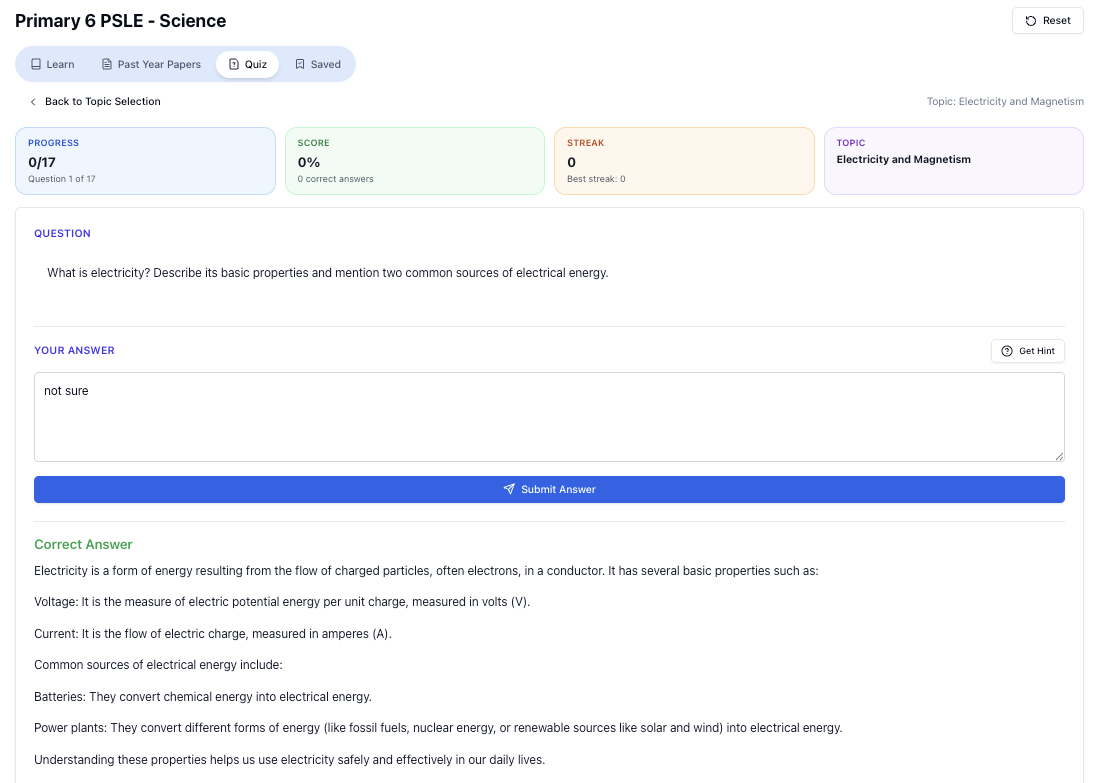
“Practice PSLE Science questions and get clear, step-by-step answers instantly.”
👉 Try a question now and see how fast you can improve.
Free on Tutorly.sg
Practise Source-based case study with step-by-step help — free to start
On Tutorly.sg/app you can practise unlimited Singapore syllabus questions, get instant explanations when you are stuck, and use past-year papers — no sign-up needed to start.
- ✓ PSLE, O Level, A Level, and more
- ✓ Step-by-step working when you are stuck
- ✓ Works on phone and laptop