

Free on Tutorly.sg
Practise Periodic table and bonding with step-by-step help — free to start
On Tutorly.sg/app you can practise unlimited Singapore syllabus questions, get instant explanations when you are stuck, and use past-year papers — no sign-up needed to start.
- ✓ PSLE, O Level, A Level, and more
- ✓ Step-by-step working when you are stuck
- ✓ Works on phone and laptop
Quick answer
We've all been there — staring at a periodic table question, feeling your heart sink, knowing you studied but still can't get the marks. The key is understanding how elements are organized and how they bond, not just memorizing facts. After reading this, you'll know exactly where students usually slip up and how to get those marks back.
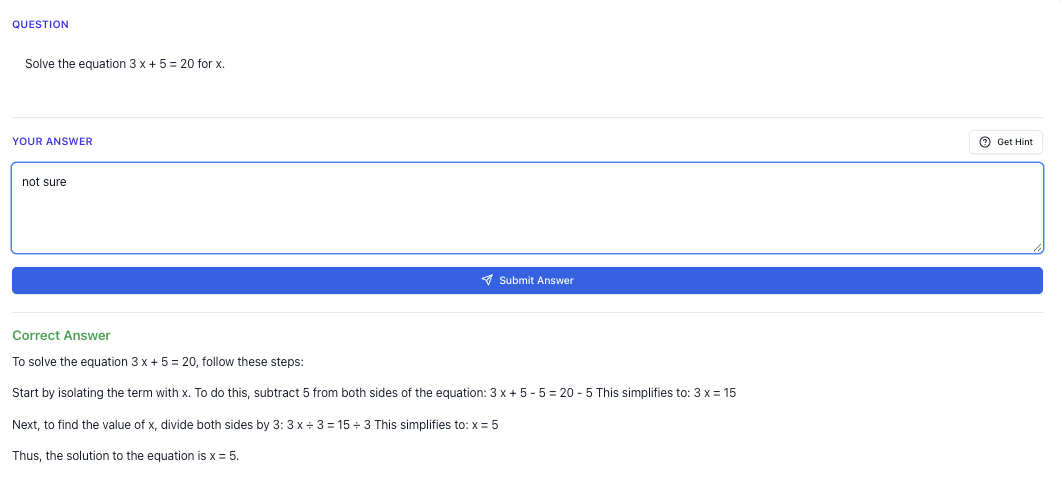
“Stuck on a question? See simple explanations that help you understand fast.”
👉 Give it a try and turn confusion into clarity in minutes.
What you need to know
The periodic table is a chart that organizes all known elements by their atomic number — which is the number of protons in an atom's nucleus. Bonding refers to how atoms join together to form compounds. Understanding these concepts is crucial for O Level Chemistry exams.
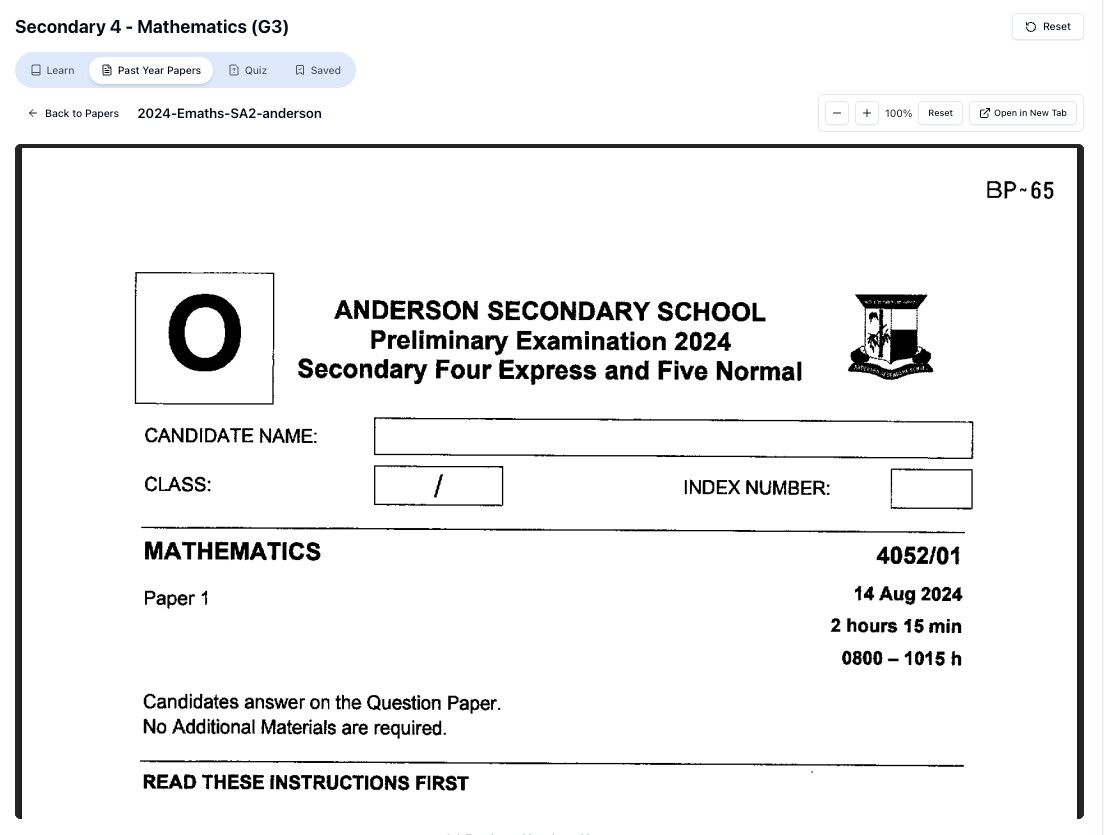
“Access more than 1000+ past year papers to practice”
👉 Start a paper today and test yourself like it’s the real exam.
Core teaching sections
Understanding the Periodic Table
The periodic table is like a map for chemists. Each element has its own box with important information like its symbol and atomic number. Elements are arranged in rows called periods and columns called groups. This arrangement helps us predict how elements might react with each other.
Types of Bonding
There are three main types of bonding: ionic, covalent, and metallic.
- Ionic bonding: This happens between metals and non-metals. Metals lose electrons to become positive ions, while non-metals gain electrons to become negative ions. These opposite charges attract and form a bond.
- Covalent bonding: Non-metals share electrons to fill their outer shell. This type of bonding is found in molecules like water and oxygen.
- Metallic bonding: Metals release some of their electrons, which move freely around the metal ions. This allows metals to conduct electricity and heat.
Quick check
Try these to test your understanding:
- What is the atomic number of carbon?
- What type of bonding occurs in sodium chloride?
- Why do metals conduct electricity?
Answers: 1. 6, 2. Ionic bonding, 3. Because of metallic bonding, where electrons move freely.
Common mistakes students make
Mistake 1: Memorizing without understanding
One mistake I repeatedly see among my Sec 4 students is memorizing the periodic table without understanding trends like electronegativity or atomic size. Remember, the examiner is testing whether you truly understand the process.
Mistake 2: Answering too generally
Students often lose marks because they answer too generally. For example, saying "elements in the same group react similarly" is too vague. Be precise: "Elements in Group 1 react vigorously with water due to their single valence electron."
Mistake 3: Misunderstanding bonding types
Many students mix up ionic and covalent bonds. A simple way I explain this during tuition is: ionic bonds form between metals and non-metals, while covalent bonds form between non-metals.
Exam tip
When answering O Level Chemistry questions, precision matters more than length. Use specific terms and show your understanding of processes. If a question seems unfamiliar, don't panic. Break it down into parts you recognize.
Worked examples
Question
Explain why sodium (Na) and chlorine (Cl) form an ionic bond.
Solution
Step 1: Identify the elements' positions in the periodic table.
Why: Sodium is in Group 1, and chlorine is in Group 17. This suggests a metal and a non-metal interaction.
Step 2: Determine electron configuration.
Why: Sodium has one electron in its outer shell, and chlorine has seven — they want full outer shells.
Step 3: Describe the electron transfer.
Why: Sodium loses one electron to become Na⁺, and chlorine gains one to become Cl⁻, forming an ionic bond.
Question
Describe the bonding in a water molecule.
Solution
“Doing Secondary Science? Pick a topic and practise like it’s a real exam — with clear answers right after.”
👉 Try Tutorly now and start a Science topic in seconds.

Step 1: Identify the elements involved.
Why: Water is made of hydrogen (H) and oxygen (O).
Step 2: Determine the type of bond.
Why: Both are non-metals, suggesting covalent bonding.
Step 3: Describe the electron sharing.
Why: Each hydrogen shares one electron with oxygen, forming a stable molecule.
Question
Why do metals conduct electricity?
Solution
Step 1: Identify the type of bonding in metals.
Why: Metals have metallic bonding.
Step 2: Describe electron movement.
Why: The free movement of electrons in the metal lattice allows electrical conduction.
Quick summary
- The periodic table organizes elements by atomic number.
- Ionic bonds form between metals and non-metals, while covalent bonds form between non-metals.
- Precision and understanding are more important than memorization.
- Use specific terms in exams to score marks.
- Practice breaking down unfamiliar questions into familiar parts.
FAQ
Q: How do I remember the periodic table?
A: Focus on trends and group characteristics rather than memorizing each element.
Q: What's the difference between ionic and covalent bonds?
A: Ionic bonds involve electron transfer between metals and non-metals; covalent bonds involve electron sharing between non-metals.
Q: Why is understanding bonding important?
A: It helps predict how substances interact and behave, which is essential for exams.
Q: How can I avoid losing marks in exams?
A: Be precise in your answers and show a clear understanding of the processes involved.
Free on Tutorly.sg
Practise Periodic table and bonding with step-by-step help — free to start
On Tutorly.sg/app you can practise unlimited Singapore syllabus questions, get instant explanations when you are stuck, and use past-year papers — no sign-up needed to start.
- ✓ PSLE, O Level, A Level, and more
- ✓ Step-by-step working when you are stuck
- ✓ Works on phone and laptop
Free practice
Try it yourself
Practice similar questions and see step-by-step explanations on Tutorly
- ✓ Unlimited similar questions
- ✓ Step-by-step help when you are stuck
- ✓ No sign-up needed to start
Related Topics You Should Learn Next
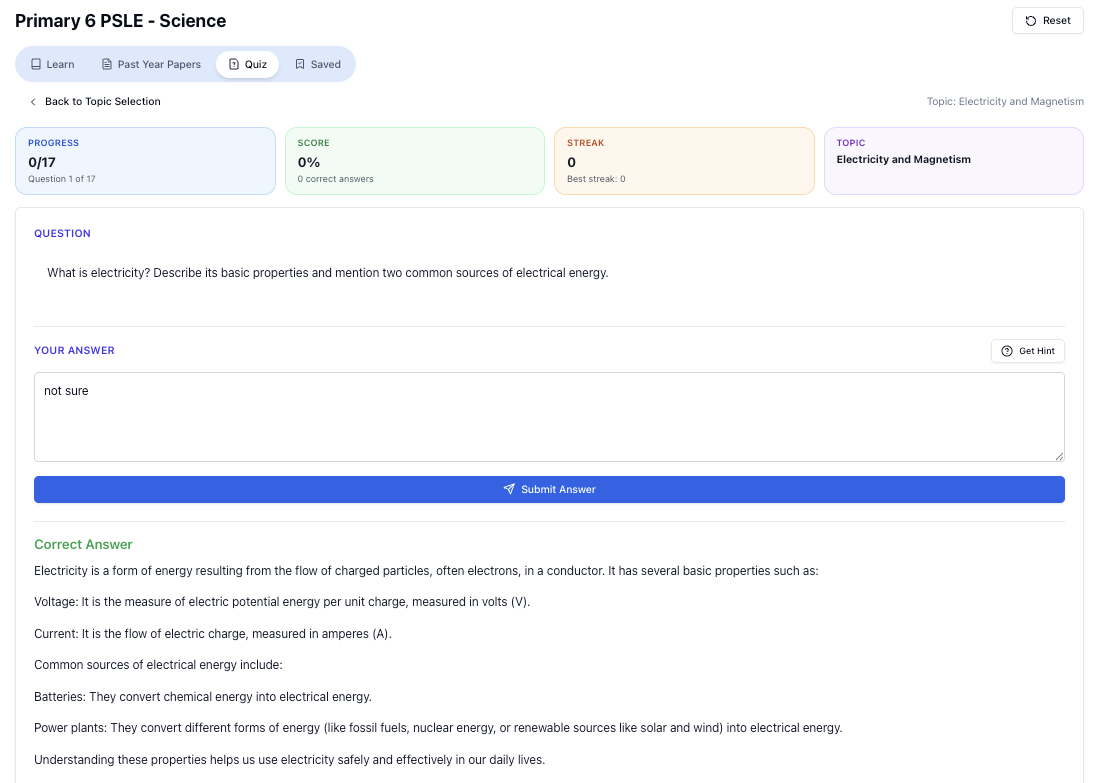
“Practice PSLE Science questions and get clear, step-by-step answers instantly.”
👉 Try a question now and see how fast you can improve.
Free on Tutorly.sg
Practise Periodic table and bonding with step-by-step help — free to start
On Tutorly.sg/app you can practise unlimited Singapore syllabus questions, get instant explanations when you are stuck, and use past-year papers — no sign-up needed to start.
- ✓ PSLE, O Level, A Level, and more
- ✓ Step-by-step working when you are stuck
- ✓ Works on phone and laptop