

Free on Tutorly.sg
Practise Situational writing with step-by-step help — free to start
On Tutorly.sg/app you can practise unlimited Singapore syllabus questions, get instant explanations when you are stuck, and use past-year papers — no sign-up needed to start.
- ✓ PSLE, O Level, A Level, and more
- ✓ Step-by-step working when you are stuck
- ✓ Works on phone and laptop
Quick answer
When you're faced with O Level situational writing, remember to stay calm and manage your time wisely. Focus on clarity over complexity and aim to understand the question fully before starting. This approach can save you from losing marks due to panic in the second half of the exam.
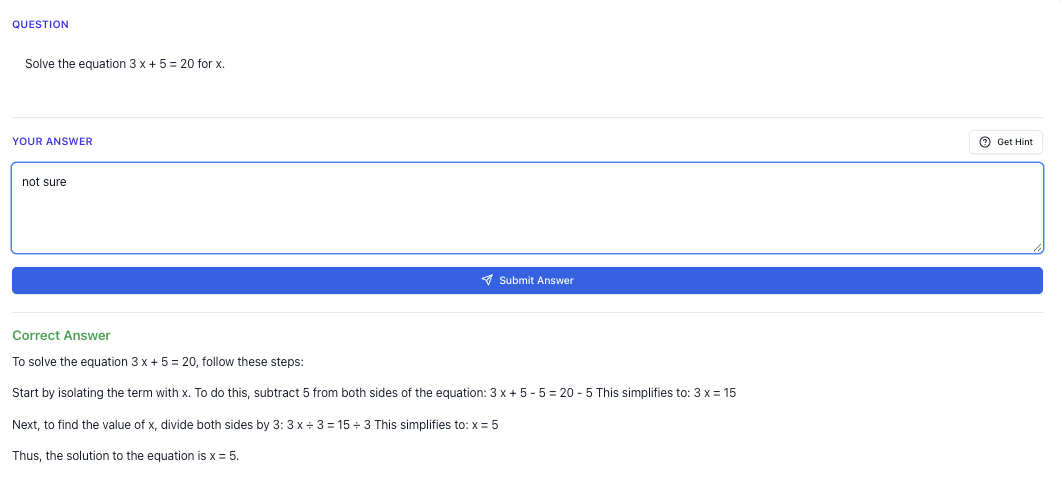
“Stuck on a question? See simple explanations that help you understand fast.”
👉 Give it a try and turn confusion into clarity in minutes.
What you need to know
Situational writing requires you to write in a specific format, like a letter or report, based on a given scenario. It's about communicating clearly and appropriately for the situation, not using fancy words or complicated sentences.
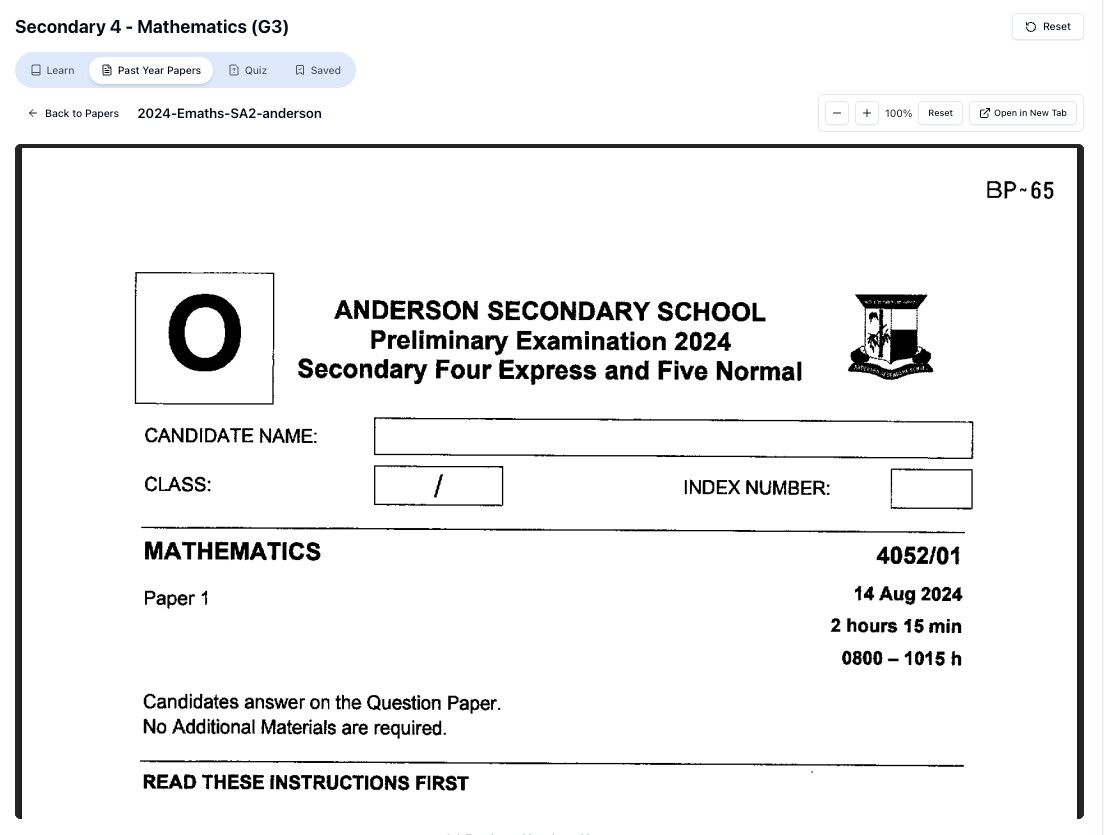
“Access more than 1000+ past year papers to practice”
👉 Start a paper today and test yourself like it’s the real exam.
Understanding the Format
Situational writing is about writing in a particular style. You may have to write a letter, report, or email, depending on the prompt. Each format has its own rules, like where to put the date or how to start and end the piece. Knowing these rules can help you write faster and more accurately.
Quick check
- What is the main purpose of situational writing?
- Name two formats you might have to write in.
- Why is clarity more important than using big words?
Answers: 1. To communicate clearly in a given scenario. 2. Letter, report, email. 3. Clarity helps the reader understand your message easily.
Common mistakes students make
Using Unnatural Sentences
Many students write correct sentences that sound awkward. This usually happens when you translate directly from your mother tongue or use memorised vocabulary incorrectly. Native speakers usually phrase things differently. For example, "Please revert back to me" sounds awkward. A more natural way to say this is, "Please let me know."
Overcomplicating Vocabulary
Students often think big words equal high marks. But using words you don't fully understand can confuse your reader. For instance, "He acquiesced to the request" is less clear than "He agreed to the request." The second sentence is straightforward and less likely to be misunderstood.
Running Out of Time
This part trips everyone up. You spend too much time on the first half of the paper and then rush the second half. Try to allocate time for planning, writing, and revising. Remember, once this clicks, the rest is easier.
Exam tip
Time Management: Allocate 5 minutes to read the question and plan your answer. Spend 25 minutes writing, and use the last 5 minutes to revise. This helps you stay on track and avoid last-minute panic.
Worked examples
Question
Write a letter to your school principal requesting a new library book club. Include reasons and benefits of the club.
Solution
Step 1: Start with a greeting: "Dear Principal Tan,"
Why: A letter should always start with a greeting to address the recipient respectfully.
Step 2: Introduce the purpose: "I am writing to propose a new library book club for our school."
Why: Clearly state your purpose early to set the context.
Step 3: Provide reasons: "A book club will encourage more students to read and improve their language skills."
Why: Giving reasons supports your proposal and makes it more convincing.
“Doing Secondary Science? Pick a topic and practise like it’s a real exam — with clear answers right after.”
👉 Try Tutorly now and start a Science topic in seconds.

Step 4: Explain benefits: "It will also provide a platform for students to discuss and share ideas."
Why: Highlighting benefits shows the positive impact of your proposal.
Step 5: Close with a polite ending: "Thank you for considering this proposal."
Why: A polite closing maintains respect and professionalism.
Quick summary
- Stay calm and manage your time.
- Understand the format before writing.
- Clarity is key, avoid big words you can't use confidently.
- Native speakers usually phrase it simply.
- Allocate time for planning, writing, and revising.
- Use polite greetings and closings in letters.
- Practice makes perfect; try more questions on Tutorly.sg.
FAQ
Q 1: What is the main purpose of situational writing?
A 1: It's to communicate clearly and appropriately based on a given scenario. The focus is on understanding the format and conveying your message effectively.
Q 2: How can I avoid running out of time during the exam?
A 2: Practice time management by allocating specific minutes to reading, planning, writing, and revising. This keeps you on track and reduces last-minute panic.
Q 3: Why do my sentences sound awkward even if they're grammatically correct?
A 3: You might be translating directly from your mother tongue or using memorised vocabulary. Focus on phrasing naturally, like native speakers do.
Q 4: Is it better to use advanced vocabulary in my writing?
A 4: No, clarity is more important. Use words you understand well to avoid confusing the reader.
Free on Tutorly.sg
Practise Situational writing with step-by-step help — free to start
On Tutorly.sg/app you can practise unlimited Singapore syllabus questions, get instant explanations when you are stuck, and use past-year papers — no sign-up needed to start.
- ✓ PSLE, O Level, A Level, and more
- ✓ Step-by-step working when you are stuck
- ✓ Works on phone and laptop
Free practice
Try it yourself
To get better at situational writing, practice with similar questions and step-by-step help on . The more you practice, the more comfortable you'll become.
- ✓ Unlimited similar questions
- ✓ Step-by-step help when you are stuck
- ✓ No sign-up needed to start
Related Topics You Should Learn Next
- O Level English Language Situational Writing: Your Complete Guide to Scoring Higher
- O Level English Language: Avoiding Common Situational Writing Mistakes
- O Level English Situational Writing: Fixing Awkward Phrases for Clearer Answers
- How To Write Situational Writing (Singapore Secondary Level) – A Practical Tutorial
Remember, practice and clear communication are your best friends in mastering situational writing. Good luck!
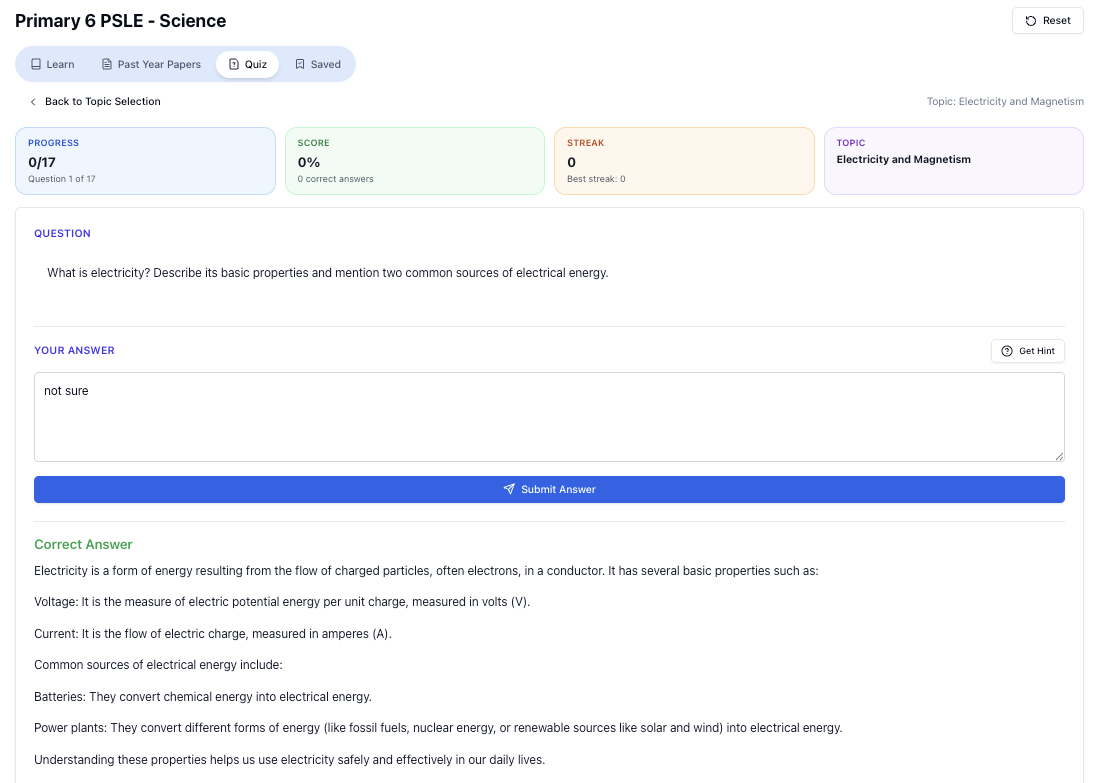
“Practice PSLE Science questions and get clear, step-by-step answers instantly.”
👉 Try a question now and see how fast you can improve.
Free on Tutorly.sg
Practise Situational writing with step-by-step help — free to start
On Tutorly.sg/app you can practise unlimited Singapore syllabus questions, get instant explanations when you are stuck, and use past-year papers — no sign-up needed to start.
- ✓ PSLE, O Level, A Level, and more
- ✓ Step-by-step working when you are stuck
- ✓ Works on phone and laptop