

Free on Tutorly.sg
Practise Organic chemistry with step-by-step help — free to start
On Tutorly.sg/app you can practise unlimited Singapore syllabus questions, get instant explanations when you are stuck, and use past-year papers — no sign-up needed to start.
- ✓ PSLE, O Level, A Level, and more
- ✓ Step-by-step working when you are stuck
- ✓ Works on phone and laptop
Quick answer
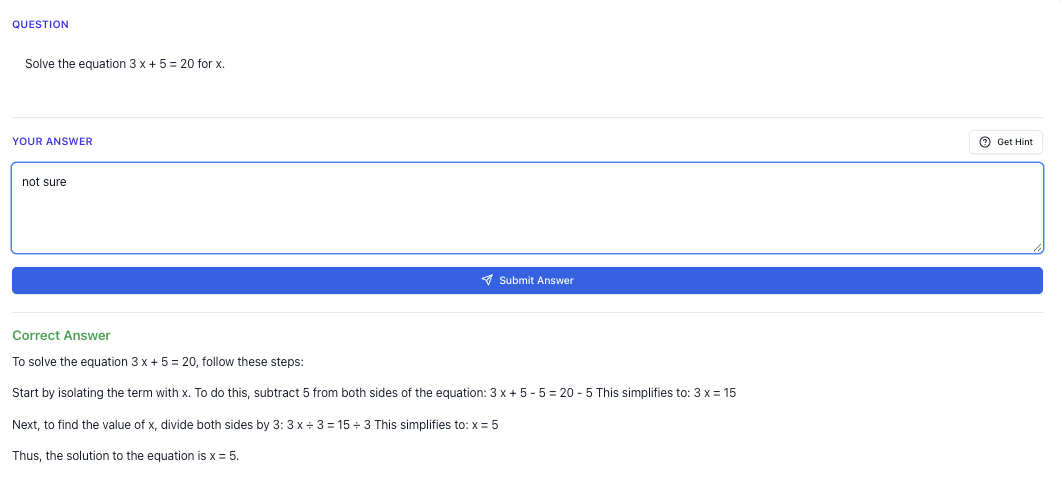
Feeling your heart sink when you see organic chemistry questions in your A Levels? You're not alone. Many students lose marks even after hours of cramming because they miss the key steps or misunderstand the question. In this guide, we'll focus on what truly matters and how to avoid common mistakes that cost marks.
“Stuck on a question? See simple explanations that help you understand fast.”
👉 Give it a try and turn confusion into clarity in minutes.
What you need to know
Organic chemistry is all about understanding how carbon-based molecules interact and transform. These reactions are like the MRT: they may look complex, but if you know the right connections, you'll reach your destination smoothly. We'll cover crucial reactions, functional groups, and common errors students make.
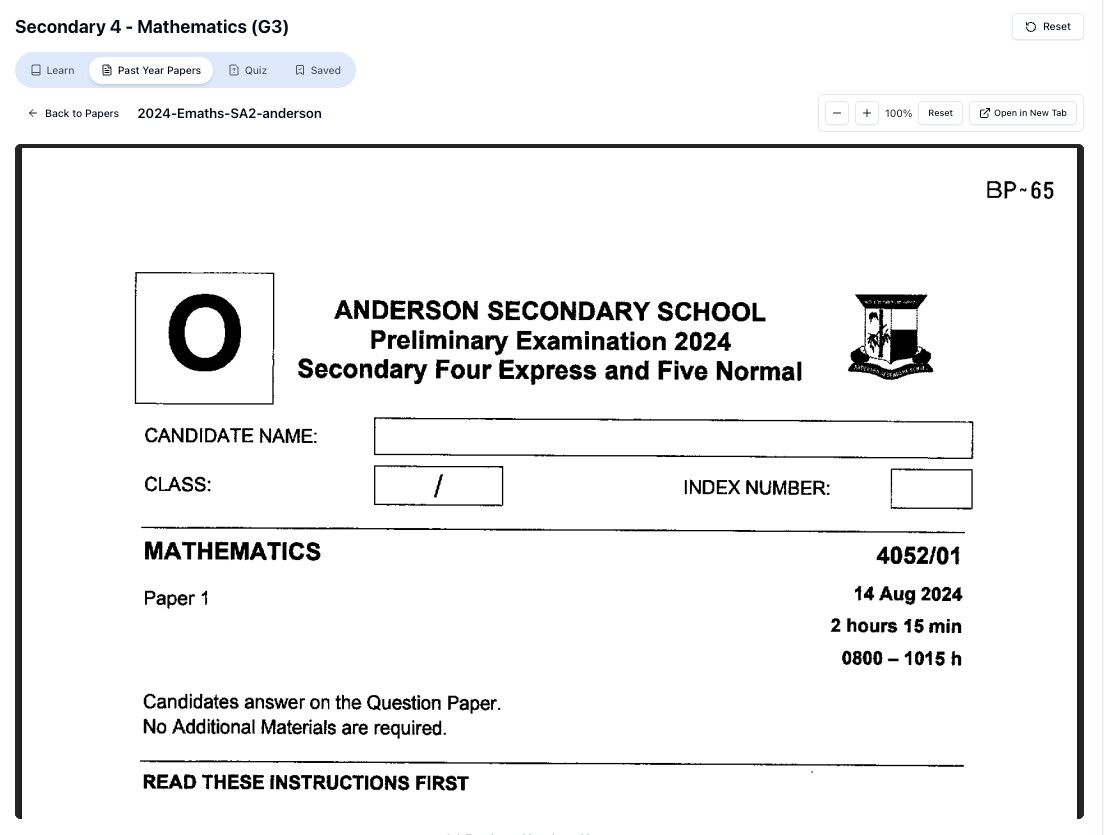
“Access more than 1000+ past year papers to practice”
👉 Start a paper today and test yourself like it’s the real exam.
Understanding Functional Groups
Functional groups are specific groups of atoms within molecules that have characteristic properties. They determine how a molecule behaves in a chemical reaction. Think of them like the different stalls at a hawker centre — each one has a unique offering.
Common Functional Groups
- Alcohols: Contain an -OH group.
- Carboxylic Acids: Have a -COOH group.
- Amines: Feature an -NH 2 group.
Quick check
Identify the functional groups in the following compounds:
- CH3CH2OH
- CH3COOH
- CH3NH 2
Answers:
- Alcohol
- Carboxylic Acid
- Amine
Key Reactions to Master
Understanding Substitution and Addition
One mistake I repeatedly see among my Sec 4 students is mixing up substitution and addition reactions. Here's a simple way I explain this during tuition.
Substitution Reaction: This is like swapping seats on a crowded MRT. One group leaves, and another takes its place.
Addition Reaction: Imagine squeezing into an MRT during peak hour. A new group joins the existing ones without anyone leaving.
Common Reaction Types
- Nucleophilic Substitution: A nucleophile replaces a leaving group.
- Electrophilic Addition: An electrophile adds to a double bond.
Revision checklist
- Functional group identification: Practice with different structures.
- Reaction conditions: Know the specific conditions for each reaction.
- Mechanism steps: Understand each step in a reaction mechanism.
- Misleading questions: Be wary of questions phrased differently from school notes.
Exam tip
Precision matters more than length in A Level questions. The examiner is testing whether you truly understand the process. Always read the question twice and underline key terms. This helps you focus on what's being asked.
Worked Example
Question
Describe the mechanism for the nucleophilic substitution of bromoethane with hydroxide ions.
Solution
Step 1: Identify the nucleophile and the electrophile.
Why: This helps you know which part attacks and which part gets attacked.
Step 2: Draw the bromoethane structure and show the hydroxide ion approaching the carbon atom bonded to bromine.
Why: Visualizing the attack helps you understand the flow of electrons.
Step 3: Indicate the breaking of the C-Br bond and the formation of the C-OH bond.
Why: This shows the substitution process where bromine leaves and hydroxide takes its place.
“Doing Secondary Science? Pick a topic and practise like it’s a real exam — with clear answers right after.”
👉 Try Tutorly now and start a Science topic in seconds.

Step 4: Write the final product: ethanol and bromide ion.
Why: This confirms you understand the outcome of the reaction.
Quick summary
- Understand functional groups like hawker stalls — each has unique properties.
- Know the difference between substitution (swap) and addition (join) reactions.
- Practice identifying reaction conditions and mechanisms.
- Precision in answers is key to scoring well.
- Always underline key terms in exam questions to focus your answer.
FAQ
Why do I lose marks in organic chemistry even after studying?
Often, it's because of misunderstanding the question or not being precise enough in your answers. Focus on key terms and practice past papers.
How can I improve my reaction mechanism understanding?
Break down each mechanism step-by-step. Understand what happens in each step and why.
What are common pitfalls in functional group identification?
Mixing up similar groups, like alcohols and carboxylic acids. Practice with varied examples.
How should I prioritize my revision?
Focus on understanding reactions and mechanisms first. Then, practice with past exam questions.
Are there specific resources to help with organic chemistry?
Yes, check out the A Level Chemistry: Organic Chemistry Complete Guide for Singapore Students for comprehensive help.
Free on Tutorly.sg
Practise Organic chemistry with step-by-step help — free to start
On Tutorly.sg/app you can practise unlimited Singapore syllabus questions, get instant explanations when you are stuck, and use past-year papers — no sign-up needed to start.
- ✓ PSLE, O Level, A Level, and more
- ✓ Step-by-step working when you are stuck
- ✓ Works on phone and laptop
Free practice
Try it yourself
Practice similar questions with step-by-step help on Tutorly
- ✓ Unlimited similar questions
- ✓ Step-by-step help when you are stuck
- ✓ No sign-up needed to start
Practise with free question sets
Work through exam-style questions with answers and step-by-step solutions:
- [35+ A Level H 2 Organic Chemistry Questions for (Singapore MOE Syllabus) with Full Solutions](/questions/jc-h 2-chemistry-organic-questions)
- [Topic study hub](/learn/jc-h 2-chemistry-organic)
[Practise unlimited questions on Tutorly.sg/app](https://www.tutorly.sg/app)
Related Topics You Should Learn Next
- A Level Chemistry: Organic Chemistry Complete Guide for Singapore Students
- A Level Chemistry: Avoiding Common Organic Chemistry Mistakes
- Organic Chemistry Tutor Online (2026): What to do next
- [Topic cluster hub](https://tutorly.sg/learn/jc-h 2-chemistry-organic)
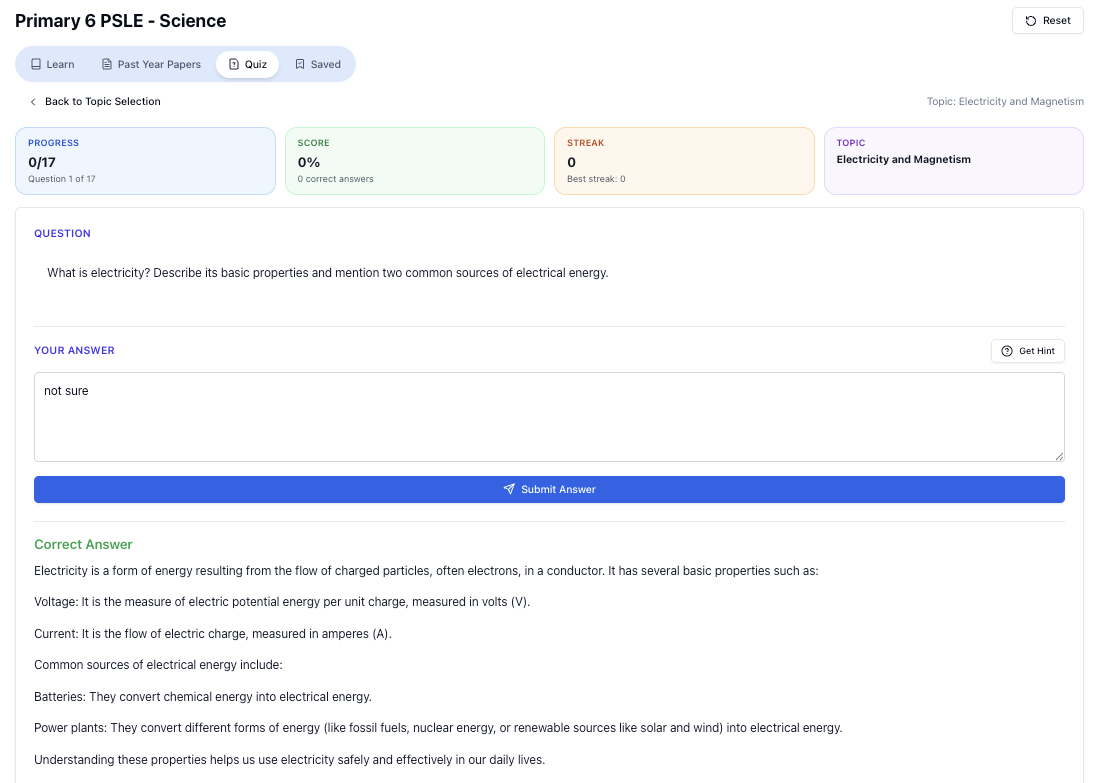
“Practice PSLE Science questions and get clear, step-by-step answers instantly.”
👉 Try a question now and see how fast you can improve.
Free on Tutorly.sg
Practise Organic chemistry with step-by-step help — free to start
On Tutorly.sg/app you can practise unlimited Singapore syllabus questions, get instant explanations when you are stuck, and use past-year papers — no sign-up needed to start.
- ✓ PSLE, O Level, A Level, and more
- ✓ Step-by-step working when you are stuck
- ✓ Works on phone and laptop