

Free on Tutorly.sg
Practise Molecular genetics with step-by-step help — free to start
On Tutorly.sg/app you can practise unlimited Singapore syllabus questions, get instant explanations when you are stuck, and use past-year papers — no sign-up needed to start.
- ✓ PSLE, O Level, A Level, and more
- ✓ Step-by-step working when you are stuck
- ✓ Works on phone and laptop
Quick answer
Ever felt your heart sink during A Level Biology when you see a molecular genetics question? You're not alone, and it's often because the questions look different from what you memorized. After reading this, you'll know how to tackle these questions step-by-step, so you won't lose marks on things you actually understand.
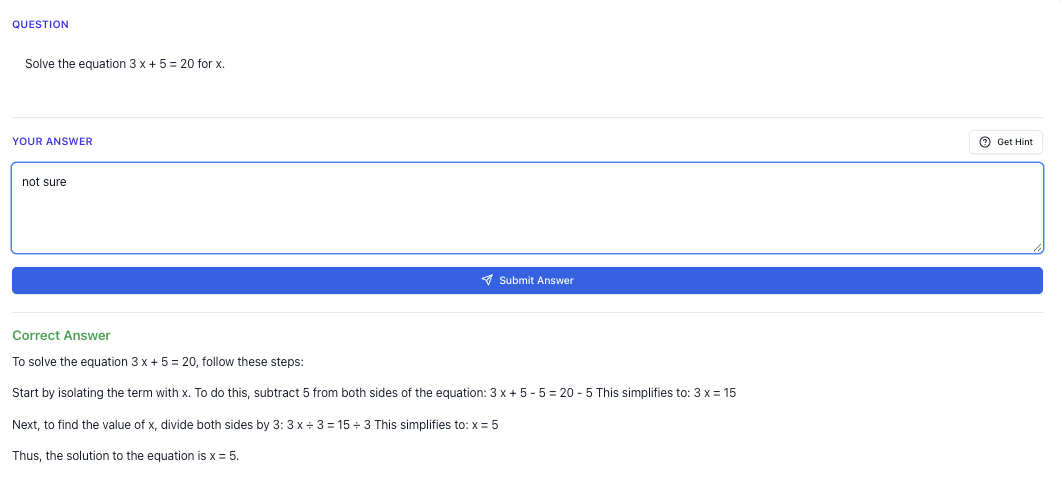
“Stuck on a question? See simple explanations that help you understand fast.”
👉 Give it a try and turn confusion into clarity in minutes.
What you need to know
Molecular genetics is all about how DNA and RNA carry and express genetic information. It's like understanding the MRT system — you need to know where the trains go (genes) and how they work (processes like transcription and translation).
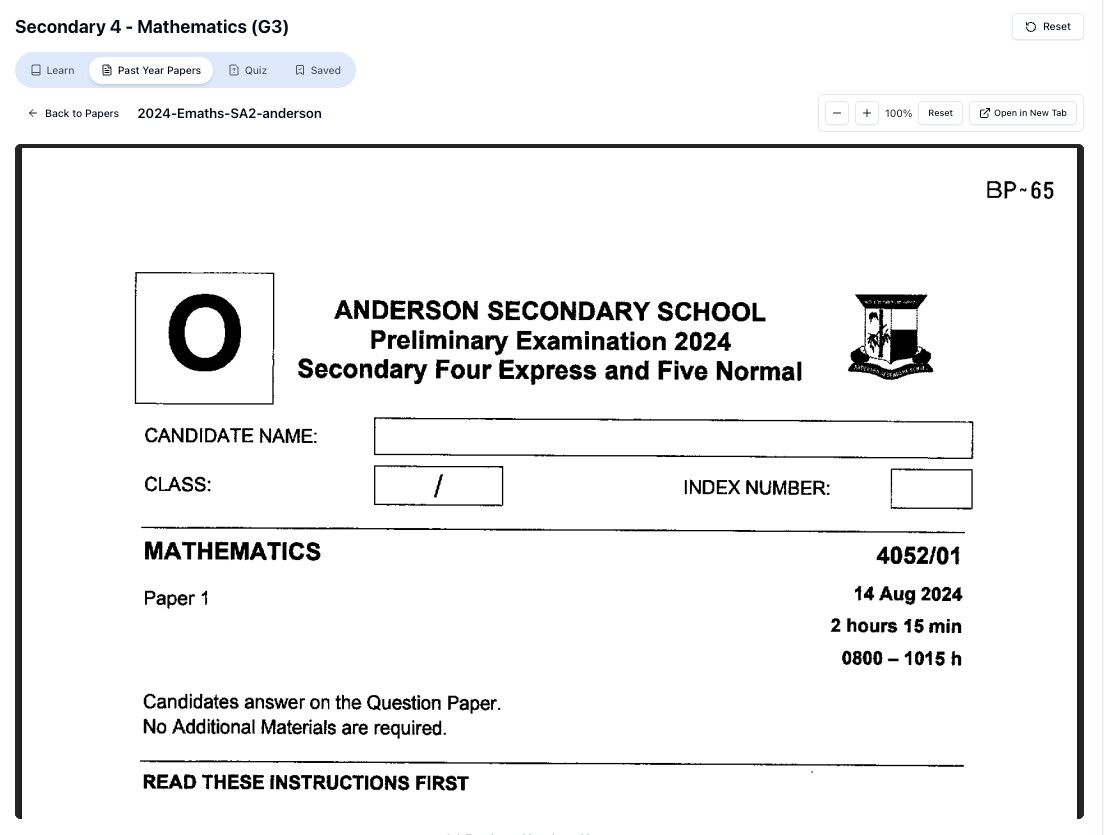
“Access more than 1000+ past year papers to practice”
👉 Start a paper today and test yourself like it’s the real exam.
Understanding Molecular Genetics Questions
When it comes to A Level Biology, the examiner wants to see if you truly understand, not just if you can regurgitate definitions. One mistake I repeatedly see among my Sec 4 students is answering too generally. This happens when they memorize keywords without truly grasping what they mean. Let's break it down into manageable steps.
The Central Dogma of Molecular Genetics
The central dogma involves two main processes: transcription and translation. You can think of it like ordering and cooking a dish at the hawker centre.
-
Transcription: This is where DNA is used to make mRNA (messenger RNA). It's like placing your order — the chef needs the exact details to make your dish.
-
Translation: mRNA is then used to make proteins. This is the cooking part — following the order to create the actual dish.
Quick check
- What is the main purpose of transcription?
- How does translation differ from transcription?
- Why is mRNA important?
Answers:
- To create mRNA from DNA.
- Translation uses mRNA to make proteins, while transcription makes mRNA from DNA.
- It carries the genetic code from DNA to the ribosome for protein synthesis.
Common mistakes students make
Memorizing Without Understanding
Students often memorize the steps of transcription and translation without understanding the purpose. This leads to vague answers in exams. Always ask yourself, "Why is this step important?"
General Answers
In Singapore papers, precision matters more than length. Saying "DNA makes RNA" is not enough. You need to specify the type of RNA and the process involved.
Misreading the Question
Examiners often phrase questions differently from your school notes. Students usually panic when they see application questions like this. Take a deep breath and break down the question into parts you recognize.
Exam tip
When answering molecular genetics questions, write clearly and concisely. Use scientific terms correctly but explain them in your own words. Always double-check your working — a small slip can cost you marks.
Worked examples
Question
Explain the process of transcription in eukaryotic cells.
Solution
Step 1: Identify the starting point — DNA.
Why: We need to know what we are converting into mRNA.
Step 2: RNA polymerase binds to the promoter region of DNA.
Why: This enzyme initiates the transcription process by unzipping the DNA strands.
Step 3: RNA polymerase synthesizes mRNA by adding complementary RNA nucleotides to the DNA template strand.
Why: This is where the conversion of DNA code to mRNA code happens.
Step 4: mRNA is processed by adding a 5' cap and poly-A tail, and removing introns.
Why: These modifications protect mRNA and help it exit the nucleus.
Step 5: mRNA exits the nucleus and moves to the ribosome.
Why: It needs to reach the ribosome to be translated into protein.
Question
Describe how a mutation in DNA can affect protein synthesis.
“Doing Secondary Science? Pick a topic and practise like it’s a real exam — with clear answers right after.”
👉 Try Tutorly now and start a Science topic in seconds.

Solution
Step 1: Identify the mutation type (e.g., substitution, deletion).
Why: Different mutations have different impacts on the protein.
Step 2: Explain how this mutation alters the mRNA sequence.
Why: mRNA carries the genetic code from DNA to the ribosome.
Step 3: Describe the effect on the amino acid sequence of the protein.
Why: The sequence of amino acids determines the protein's structure and function.
Step 4: Conclude with the potential impact on the organism.
Why: Changes in proteins can affect cell functions and overall health.
Quick summary
- Molecular genetics requires understanding, not just memorization.
- Transcription involves making mRNA from DNA.
- Translation is the process of making proteins using mRNA.
- Common mistakes include vague answers and misreading questions.
- Precision and clarity in answers can prevent loss of marks.
- Practice applying knowledge to different question types.
FAQ
1. What's the difference between DNA and RNA?
DNA contains the genetic blueprint of an organism, while RNA is used to transfer this information to make proteins.
2. Why do we need mRNA?
mRNA acts as a messenger, carrying the genetic code from DNA to the ribosome for protein synthesis.
3. How can I avoid losing marks in molecular genetics questions?
Focus on understanding the processes, use precise language, and practice answering different question types.
4. What should I do if I don't understand a question during the exam?
Break the question into parts you recognize, and relate it to what you know about transcription and translation.
Free on Tutorly.sg
Practise Molecular genetics with step-by-step help — free to start
On Tutorly.sg/app you can practise unlimited Singapore syllabus questions, get instant explanations when you are stuck, and use past-year papers — no sign-up needed to start.
- ✓ PSLE, O Level, A Level, and more
- ✓ Step-by-step working when you are stuck
- ✓ Works on phone and laptop
Free practice
Try it yourself
Practice similar questions with step-by-step help on Tutorly
- ✓ Unlimited similar questions
- ✓ Step-by-step help when you are stuck
- ✓ No sign-up needed to start
Related Topics You Should Learn Next
- A Level Biology: Understanding Molecular Genetics Without Memorization
- A Level Biology: Avoiding Common Molecular Genetics Mistakes
- A Level Biology: Mastering Molecular Genetics with Step-by-Step Examples
- [Topic cluster hub](https://tutorly.sg/learn/jc-h 2-biology-molecular)
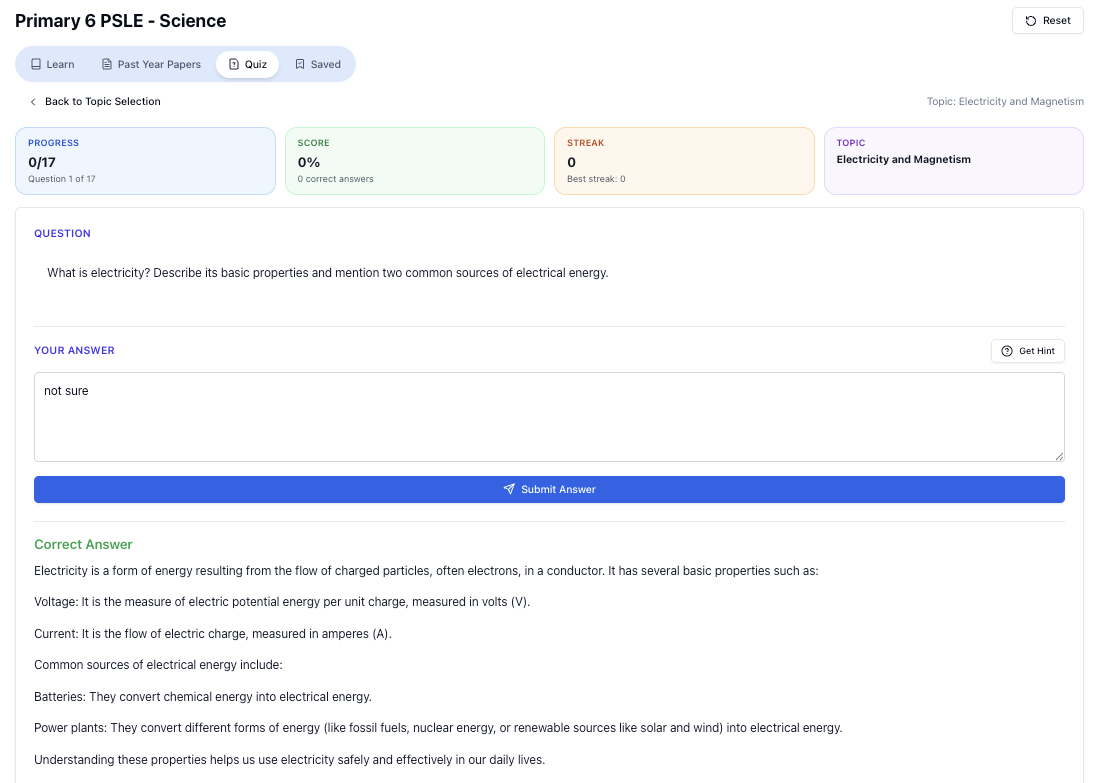
“Practice PSLE Science questions and get clear, step-by-step answers instantly.”
👉 Try a question now and see how fast you can improve.
Free on Tutorly.sg
Practise Molecular genetics with step-by-step help — free to start
On Tutorly.sg/app you can practise unlimited Singapore syllabus questions, get instant explanations when you are stuck, and use past-year papers — no sign-up needed to start.
- ✓ PSLE, O Level, A Level, and more
- ✓ Step-by-step working when you are stuck
- ✓ Works on phone and laptop