

Free on Tutorly.sg
Practise Physical chemistry with step-by-step help — free to start
On Tutorly.sg/app you can practise unlimited Singapore syllabus questions, get instant explanations when you are stuck, and use past-year papers — no sign-up needed to start.
- ✓ PSLE, O Level, A Level, and more
- ✓ Step-by-step working when you are stuck
- ✓ Works on phone and laptop
Quick answer
Feeling overwhelmed by A Level Chemistry? You're not alone. Many students panic when they see application questions in physical chemistry, but don't worry. I'll guide you through the essential topics you need to understand, focusing on common mistakes and how to avoid them.
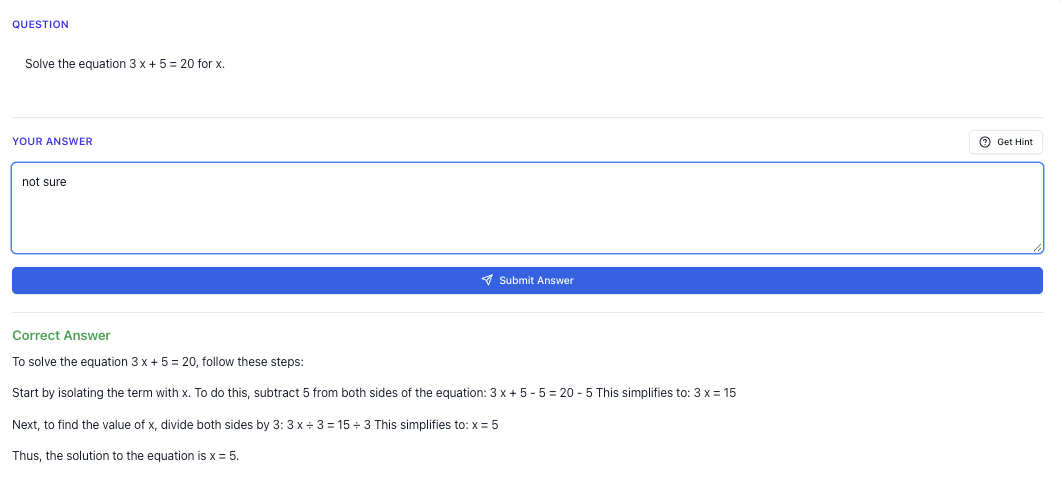
“Stuck on a question? See simple explanations that help you understand fast.”
👉 Give it a try and turn confusion into clarity in minutes.
What you need to know
Physical chemistry is about understanding the principles that govern chemical reactions and the behavior of matter. You'll learn about topics like enthalpy changes, rates of reaction, and equilibrium. Think of it as the science behind why things happen in chemistry.
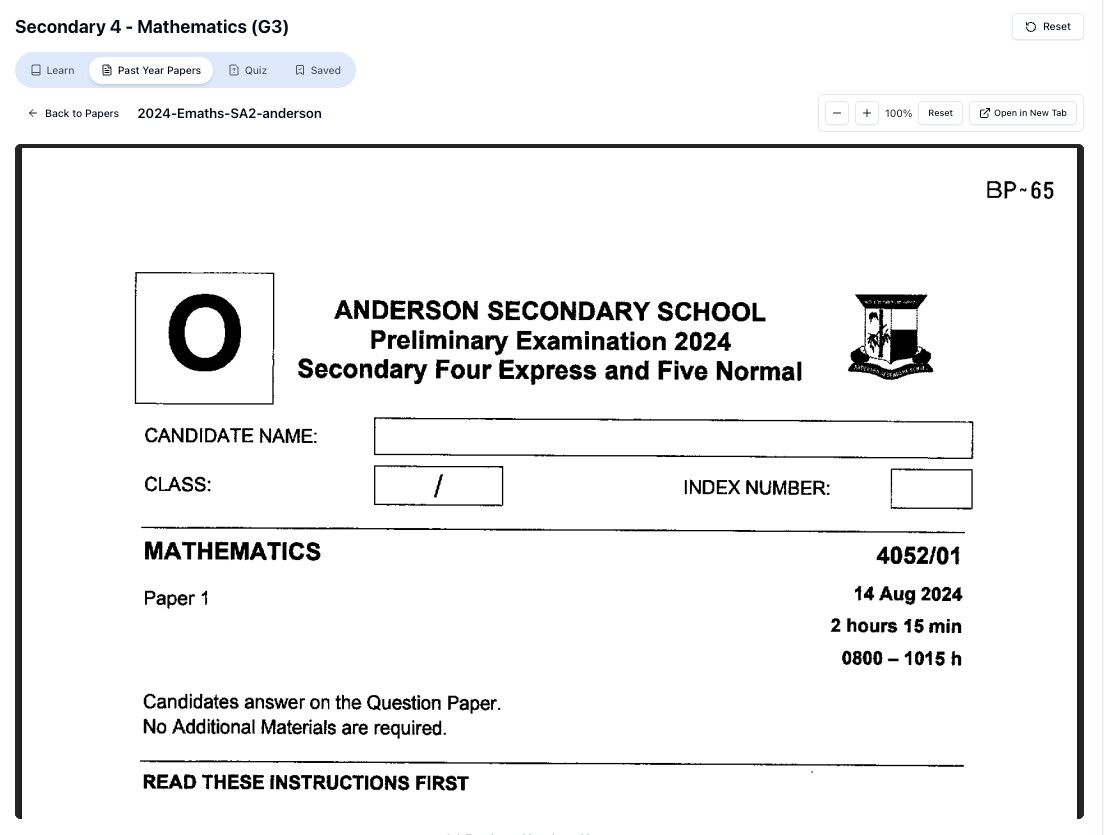
“Access more than 1000+ past year papers to practice”
👉 Start a paper today and test yourself like it’s the real exam.
Understanding Enthalpy Changes
What is Enthalpy?
Enthalpy is a measure of heat energy in a chemical system. When a reaction occurs, energy is either absorbed or released. This is called an enthalpy change.
Types of Enthalpy Changes
-
Exothermic Reactions
These release energy into the surroundings, making them feel warm. -
Endothermic Reactions
These absorb energy, making the surroundings feel cooler.
Key Concepts
- Enthalpy Change (): Represents the heat change at constant pressure.
- Standard Enthalpy Change: Enthalpy change when reactants form products under standard conditions (1 atm, 25°C).
Common mistakes students make
-
Confusing Exothermic and Endothermic:
One mistake I repeatedly see among my Sec 4 students is mixing these up. Remember, exo is like an "exit" of heat. -
Not Using Units:
Always include units in your answers. The examiner is testing whether you truly understand the process. -
Forgetting State Symbols:
These are crucial in standard enthalpy change calculations. They might seem small, but they cost marks.
Exam tip
Be precise with your language. It's not about how much you write, but how accurately you convey your understanding. Use specific terms like "enthalpy change" instead of vague phrases like "energy change."
Worked examples
Question
Calculate the standard enthalpy change for the reaction:
Given that the standard enthalpy of formation for is .
Solution
Step 1: Write the balanced equation with state symbols.
Why: A balanced equation ensures you use the correct stoichiometry.
Step 2: Identify the given enthalpy value.
The enthalpy change for the formation of is .
“Doing Secondary Science? Pick a topic and practise like it’s a real exam — with clear answers right after.”
👉 Try Tutorly now and start a Science topic in seconds.

Step 3: Use the enthalpy of formation directly.
The standard enthalpy change for the reaction is .
Why: This value represents the energy change when 1 mole of is formed from its elements in their standard states.
Quick summary
- Enthalpy measures heat energy in reactions.
- Exothermic reactions release heat; endothermic absorb.
- Always include units and state symbols.
- Balance your equations for accurate stoichiometry.
- Use specific terms to gain marks.
FAQ
1. What is the difference between exothermic and endothermic reactions?
Exothermic reactions release energy, making the surroundings warmer. Endothermic reactions absorb energy, making the surroundings cooler.
2. Why do I need to include state symbols?
State symbols indicate the physical state of reactants and products. They are essential for calculating standard enthalpy changes accurately.
3. How can I avoid confusing exothermic and endothermic?
Associate "exo" with "exit" for releasing heat and "endo" with "enter" for absorbing heat.
4. What is the importance of units in chemistry calculations?
Units ensure your answer is precise and meaningful. Without them, your numerical answer lacks context.
Free on Tutorly.sg
Practise Physical chemistry with step-by-step help — free to start
On Tutorly.sg/app you can practise unlimited Singapore syllabus questions, get instant explanations when you are stuck, and use past-year papers — no sign-up needed to start.
- ✓ PSLE, O Level, A Level, and more
- ✓ Step-by-step working when you are stuck
- ✓ Works on phone and laptop
Free practice
Try it yourself
Practice similar questions with step-by-step help on Tutorly
- ✓ Unlimited similar questions
- ✓ Step-by-step help when you are stuck
- ✓ No sign-up needed to start
Related Topics You Should Learn Next
- [JC H 2 Chemistry Physical Chemistry Complete Guide](https://tutorly.sg/learn/jc-h 2-chemistry-physical)
- [AI Tutor for A Level H 2 Chemistry in Singapore: How to Actually Use It to Boost Your Grades](/blog/ai-tutor-for-a-level-h 2-chemistry-singapore)
- [How An AI Tutor Can Actually Help With JC 1 H 2 Chemistry In Singapore](/blog/ai-tutor-for-jc 1-h 2-chemistry-singapore)
- [AI Tutor For JC 2 H 2 Chemistry In Singapore: How To Survive (And Actually Do Well) In Your Final Year](/blog/ai-tutor-for-jc 2-h 2-chemistry-singapore)
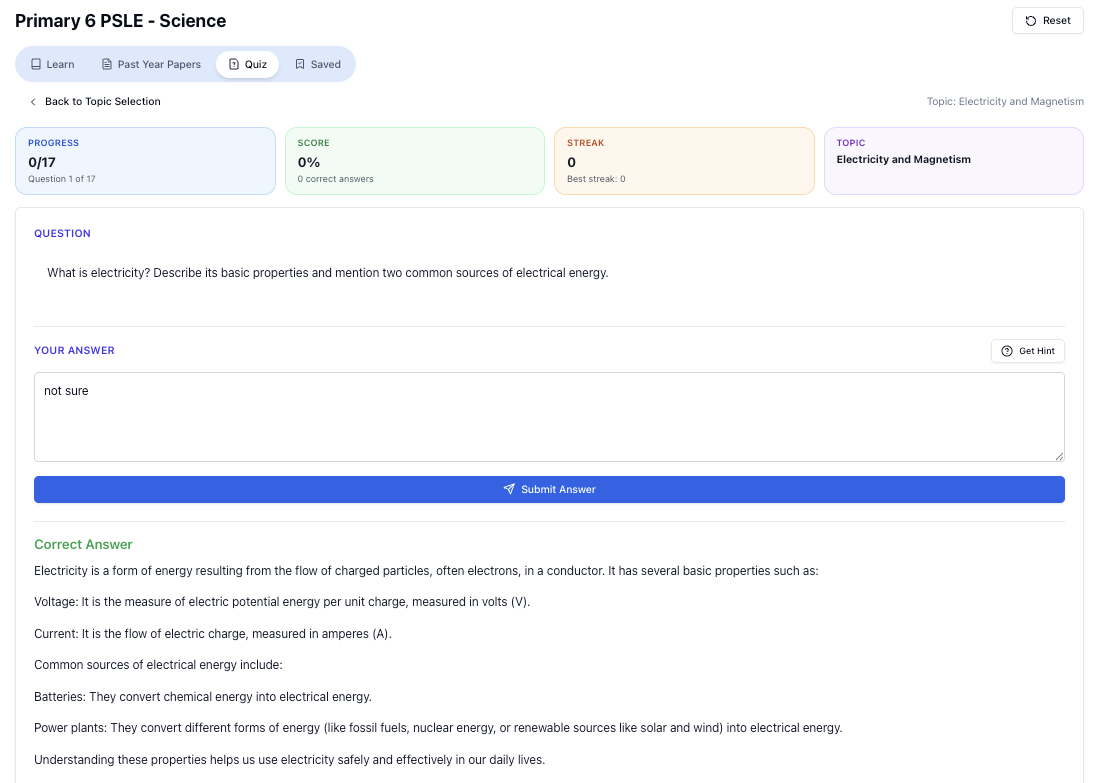
“Practice PSLE Science questions and get clear, step-by-step answers instantly.”
👉 Try a question now and see how fast you can improve.
Free on Tutorly.sg
Practise Physical chemistry with step-by-step help — free to start
On Tutorly.sg/app you can practise unlimited Singapore syllabus questions, get instant explanations when you are stuck, and use past-year papers — no sign-up needed to start.
- ✓ PSLE, O Level, A Level, and more
- ✓ Step-by-step working when you are stuck
- ✓ Works on phone and laptop